From Nursing to Missions: Joan Collett’s Story
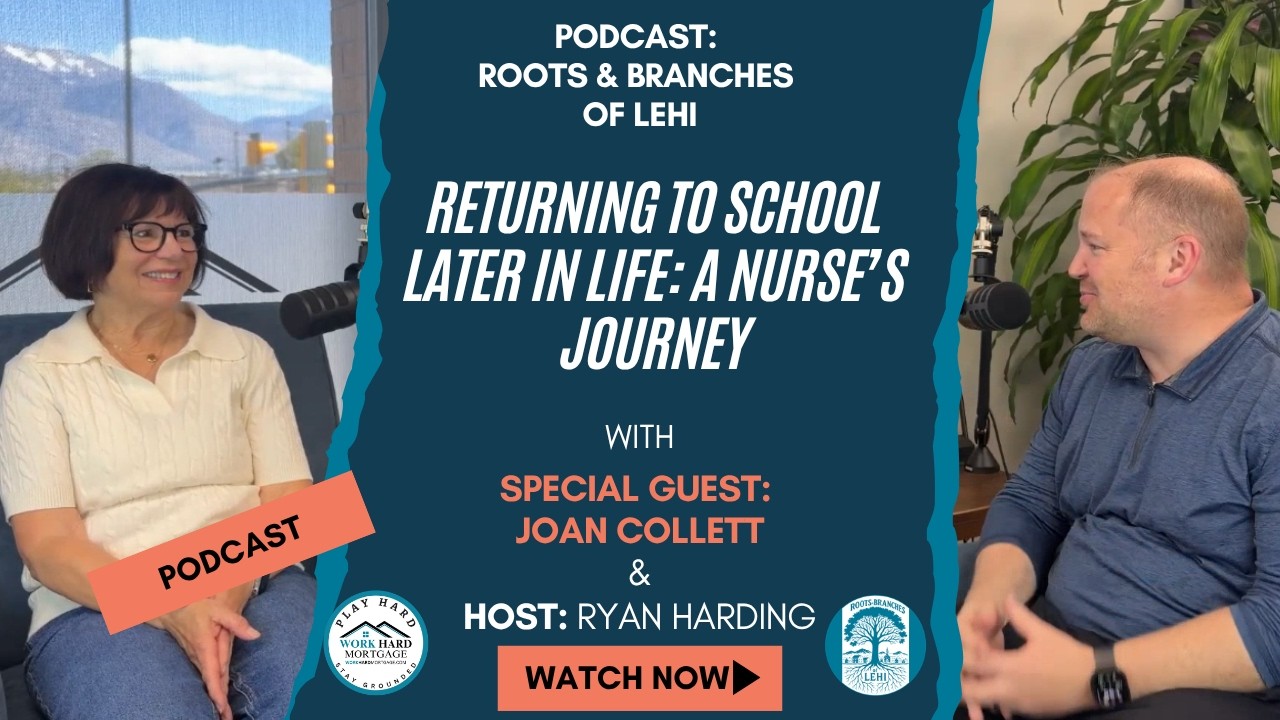
Joan Collett reflects on a life defined by the art of care—from raising eight children to pioneering oncology research and serving global medical missions.
Joan Collett
Nursing and Contribution to Research at Huntsman
At a Glance
Archive Scoring
Introduction
Joan Collett’s story is a testament to the power of a 'second act.' After decades spent as a dedicated mother to eight children, Joan fulfilled a long-held promise to herself by returning to school, eventually becoming a nurse practitioner. Her narrative explores the profound intersection of maternal intuition and clinical expertise, particularly during her time in the ICU and at the Huntsman Cancer Institute, where she bridged the gap between high-stakes medical research and the human need for compassion. Her career was not merely a job but a continuation of her role as a nurturer, translated into the language of medicine. Beyond the clinic, Joan’s life has been one of movement and service. From her childhood in the foggy, evergreen landscapes of Whidbey Island to her years as a Navy wife traveling across the country, she eventually found her 'soul's home' in Lehi, Utah. She observes the transformation of Lehi from a small town into a vibrant community, noting that despite its growth, the spirit of camaraderie—epitomized by the local rodeo and high school football games—remains its enduring heartbeat. Her humanitarian work in the Pacific Islands reveals the complexities of global health, as she and her husband Howard worked to bring basic medical diagnostic tools to remote villages. These experiences highlight the stark contrasts between modern Western medicine and the survival needs of island communities, offering a rare glimpse into the logistical and emotional challenges of international service. In her later years, Joan’s life has centered on the concept of 'sanctuary.' As a scribe for her husband, a Patriarch, she describes the intentionality of creating a home environment where the spirit can reside. Her observations of the youth she meets through this work provide a hopeful perspective on the next generation of Lehi’s leaders. Joan’s record is one of resilience, showing that the road one is given—complete with financial potholes and unexpected turns—is the very path that leads to a legacy of meaning.
Episode Overview
A detailed look at the topics, people, and context of this conversation.
In this episode of Roots and Branches of Lehi, Joan Collett shares her expansive journey from a Navy childhood in Washington to her current role as a community pillar in Lehi. Joan discusses the unique challenge and reward of returning to college at the age of 40, eventually earning a Master's degree and working in oncology research at the Huntsman Cancer Institute. Her perspective on the 'life experience' of motherhood as a prerequisite for quality nursing provides a refreshing take on career longevity and personal growth. The conversation delves into Joan’s extensive missionary service, including a medical advisor role in Berlin and a humanitarian mission focused on diabetes education in Samoa and Tonga. She provides historical insight into the Church of Jesus Christ of Latter-day Saints' medical outreach programs and the evolution of senior missionary care. Throughout the dialogue, Joan reflects on her 15 years in Lehi, the longest she has ever lived in one place, and why this specific community resonated with her more than any other. She concludes with a look at her current service as a scribe, witnessing the spiritual lives and future potential of the local youth, and offering wisdom on living a life without regret.
Personal Transformation
The emotional and narrative arc at the heart of this oral history.
Joan Collett’s narrative is a profound study in the 'delayed harvest' of personal ambition. For over two decades, her identity was rooted in the domestic sphere, raising eight children across multiple states. While she embraced the role of a stay-at-home mother and community volunteer, she carried a dormant desire for medical service—symbolized by a childhood photo of her in a nurse's costume. The turning point occurred when her youngest child entered preschool, prompting a brave reentry into academia as a non-traditional student at BYU. This was not merely a career change; it was a reclamation of a core part of her identity that had been paused for the sake of her family.
Her transformation from a PTA president to an ICU nurse and eventually a Nurse Practitioner in oncology research represents a significant expansion of her self-concept. She moved from the predictable rhythms of the home into the high-stakes, life-and-death environment of critical care. This shift required her to overcome the fear of competing with students half her age, ultimately discovering that her decades of 'mother-wit' and life experience were actually her greatest clinical assets. She evolved into a woman who could bridge the gap between the tender care of a mother and the rigorous precision of medical research.
In her later years, Joan’s transformation took a spiritual and humanitarian turn. By serving missions in the Pacific Islands and Berlin, she integrated her medical expertise with her faith. She transitioned from treating individual patients in a hospital to advising on the health and safety of hundreds of missionaries globally. This arc shows a woman who continuously widened her circle of influence—from her own eight children to the patients at Huntsman, and finally to a global community of faith.
Ultimately, Joan became a living testament to the idea that a life is not a single track, but a series of seasons. She moved from being a recipient of community support during lean entrepreneurial years to being a pillar of strength for others. Her story concludes with her as a 'scribe'—a role that perfectly encapsulates her transformation: she is now an observer and recorder of the potential in others, using her own hard-won wisdom to support the spiritual legacies of the next generation in Lehi.
Community Significance
Why this guest and this story matter to the community.
Joan Collett serves as a vital 'social glue' in the Lehi community, representing the strength of the town’s demographic of active, highly-educated seniors. Although she is a transplant who lived in many states, her decision to make Lehi her home for fifteen years—longer than anywhere else—validates the city's unique 'small town' draw. Her presence reinforces the idea that Lehi is not just a place to live, but a community to belong to, specifically citing the high school football and rodeo cultures as essential markers of local identity that successfully integrate newcomers.
Her professional background as a Nurse Practitioner at the Huntsman Cancer Institute brings a high level of specialized knowledge to the neighborhood. In a community like Lehi, where informal networks often serve as the first line of support, Joan acts as a de facto resource for friends and neighbors navigating complex health crises. Her expertise in oncology research and infusions provides a layer of local 'human capital' that is often invisible but critically important in times of family tragedy.
Furthermore, Joan’s role as the scribe for the Stake Patriarch places her at the heart of the community’s spiritual life. In this capacity, she is a silent witness to the hopes, fears, and promised futures of hundreds of Lehi’s youth. By maintaining her home as a 'sanctuary' for this work, she contributes to the moral and spiritual infrastructure of the city, ensuring that the local religious traditions are carried out with dignity and meticulous care.
Finally, her family’s choice to live in a multi-generational cluster—literally living next door to her daughter—serves as a model for modern community building in Lehi. In an era of geographic fragmentation, the Collett family demonstrates how deep roots can be planted quickly through proximity and shared service. Joan’s life in Lehi is a quiet but powerful example of how one individual can strengthen the social fabric by simply showing up, caring deeply, and sharing their professional and personal gifts with those around them.
"Growing up in a small town, I learned that connections go beyond blood. They're built through shared experiences, friendships, and the moments we celebrate together."
— Ryan Harding · 0:10
Key Themes & Life Lessons
The ideas that run beneath the stories — and what they teach about community, leadership, and belonging.
Late-Life Career Transitions
Oncology and Medical Research
Community and Social Cohesion
Faith-Based Service and Missions
Balancing Motherhood and Ambition
Intergenerational Living
Military Family Identity
Career Transitions
Wisdom & Life Lessons
One of the core pieces of wisdom Joan shares is the phrase 'God has your back.' This isn't just a religious platitude for her; it is a hard-won realization from years of raising eight children during financial uncertainty. She reflects that most of her 'fretting' was unnecessary and that things eventually worked out, suggesting that we should spend less time worrying and more time trusting the process.
She emphasizes the wisdom of 'proximity.' By living next door to her daughter, she has found a way to maintain deep family connections while remaining an active part of her own life. This highlights the importance of keeping loved ones close as a strategy for a fulfilling old age.
Another wisdom lesson is the idea of 'making your home a sanctuary.' This goes beyond religious context; it is about intentionally curating one's environment to invite peace and focus. Whether for professional work or personal reflection, Joan teaches that the atmosphere of the home directly impacts the quality of the work performed within it.
Lastly, she offers the wisdom of 'giving back through one's unique gifts.' Retirement for Joan wasn't an end to work, but a transition to a different kind of service where her medical knowledge could be used for the benefit of the church and community. This teaches that true fulfillment comes from continuing to use our talents in the service of others, regardless of our age or professional status.
Key Takeaways
- 1Life experience as a parent can significantly enhance professional competence in healthcare.
- 2It is possible to pursue high-level academic and career goals later in life after raising a family.
- 3Lehi's unique community strength is rooted in its traditions like the rodeo and high school sports.
- 4Medical research in oncology has transitioned toward oral medications, requiring new patient compliance strategies.
- 5Living in close proximity to adult children provides a mutually beneficial support system.
- 6Faith-based service often involves adapting professional skills to meet global humanitarian needs.
- 7A meaningful life is built on a series of 'seasons,' each with its own focus and rewards.
Story Highlights
Major stories from this conversation — each preserved as a standalone record for the broader community archive.
After moving across several states—including Washington, Colorado, Oregon, and California—due to her husband's entrepreneurial ventures, Joan and Howard finally settled in Lehi. Joan reflects on how Lehi differs from other places they lived. She notes that despite its growth, it maintains a small-town 'community feeling' evidenced by high school football games and the local rodeo. She describes it as a place where people truly care for one another and possess a strong sense of camaraderie.
Emotional Significance
There is a sense of relief and belonging in Joan's description, characterizing Lehi as the place she has lived the longest and feels most at home.
Why This Matters
It defines the 'Lehi spirit' as something distinct and tangible, rooted in its history as a small town.
Life Lesson
True community is built through shared experiences and a genuine concern for one's neighbors, which can survive even in a rapidly growing town.
Transformation
Joan shifted from a life of frequent relocation to finding a permanent anchor in a community that values shared identity over mere proximity.
What It Reveals About Joan Collett
She values deep roots and the emotional safety of a supportive neighborhood.
What It Reveals About the Community
Lehi has a unique ability to integrate newcomers into its traditional 'small town' culture.
Community Value Preserved
The recognition of communal bonds as a primary factor in quality of life.
For future generations: As Lehi continues to urbanize, this story preserves the memory of why the 'community feeling' was its most valuable asset.
Joan describes her lifelong desire to become a nurse, a goal she put on hold to raise her eight children. She made a pact with her husband that she would eventually return to school. When her youngest child started preschool in 1992, Joan began her journey back through night school. She earned her BSN in 1998 and eventually completed her Master's and Nurse Practitioner degree in 2011, at an age when many consider retirement.
Joan reflects on how being a mother to eight children made her a superior nurse. While she initially felt intimidated by younger students, she realized that her decades of 'triage' at home—dealing with scrapes, bruises, and illnesses—gave her an intuitive understanding of patient care that her younger peers lacked. She advocates for other mothers to recognize their domestic experience as a professional asset.
Joan discusses the financial instability that often accompanies entrepreneurial life. She recalls times of 'fretting' over basic needs, such as when she couldn't immediately buy her children new shoes. While she regrets worrying so much, she notes that these hardships taught her a profound appreciation for stability. Interestingly, she observes that because of these 'ups and downs,' all of her children chose steady, traditional careers over the risky entrepreneurial path of their father.
During a humanitarian mission, Joan and Howard worked to address the diabetes epidemic in Samoa and Tonga. They were shocked to find that patients on insulin had no glucose monitors, scales, or blood pressure cuffs. They developed a 'kit' for village clans to monitor health. Despite their intensive work, the project stalled due to bureaucratic differences in how aid should be distributed. Joan reflects on the immense effort spent and the heartbreak of a project that didn't fully reach its potential.
While serving a mission in Berlin, Joan acted as a medical advisor for young missionaries. She carried a 'red phone' that could ring at any hour. Often, the calls weren't for emergencies but for reassurance—a headache, a scraped knee, or just the need for a 'listening ear.' She realized her role was half-medical and half-maternal, providing a 'placebo effect' of comfort to young people far from home.
Joan serves as a scribe for her husband, Howard, in his role as a Stake Patriarch. She describes her duty as creating a 'sanctuary' in their home, ensuring that the environment remains spiritually pure for the blessings he records. She expresses her awe at how distinct each blessing is for every child, noting that even though she knows Howard's voice, the words he speaks often bypass his own writing style to reach the specific needs of the youth.
"Walk the road you've been given with all its challenges and potholes and everything else and just have trust it's going to work out."
— Joan Collett · 14:51
Historical Preservation & Legacy
What this interview preserves about community history, cultural legacy, and intergenerational knowledge.
Preservation Value: High
This episode holds high preservation value because it documents several niche historical areas: non-traditional female education in Utah, the specific clinical research environment at the Huntsman Cancer Institute, and the logistics of global LDS medical missionary work. It also provides a rare transplant-to-local narrative that explains why Lehi's culture is effective at integrating new residents. The detailed description of the scribing process for patriarchal blessings preserves a specific cultural practice that is central to the community's identity.
Why This Episode Matters Historically
This episode is historically significant because it documents the 'non-traditional' educational path of women in late 20th-century Utah. It provides a first-hand account of a woman navigating the tension between the cultural expectation of large-family domesticity and the personal drive for professional achievement. Joan’s specific timeline—returning to school in the 1990s and graduating as a Nurse Practitioner in 2011—captures a transitional era in nursing education and clinical practice. Additionally, the record provides unique insights into the logistical history of LDS humanitarian and missionary efforts. Joan’s description of the lack of medical infrastructure in the Pacific Islands (the absence of scales, glucose monitors, and A1C machines) serves as a primary source for understanding the challenges of global health outreach in the early 2000s. Her subsequent role as a medical reviewer for senior missionaries documents the church's evolving protocols for ensuring the health and safety of its worldwide volunteer force, a process that is rarely discussed in public records.
What Future Generations May Learn
Future generations reading this archive will learn that the early 21st century was a time when 'community' was an intentional choice rather than a geographical accident. Joan’s observations about the 'Lehi feeling'—the camaraderie found at football games and rodeos—will help future residents understand the specific cultural touchstones that helped the city maintain its soul during a period of massive suburban growth. They will see that Lehi was a place where people from across the country came to find a sense of belonging. Historians 50 years from now will also find a blueprint for 'lifelong learning.' Joan’s story challenges the concept of a fixed career path, showing that a woman can be a full-time mother for two decades and still reach the pinnacle of the medical profession in her 50s and 60s. This serves as a vital lesson in resilience and the idea that human potential does not have an expiration date. Lastly, future generations will gain a rare glimpse into the private domestic life of a religious family in Lehi. The details about creating a 'sanctuary' in the home for the work of a patriarch will provide cultural anthropologists with a clear picture of how religious practice and home life were integrated. It shows that for the residents of this time, faith was not a Sunday-only activity but a quiet, constant influence on how they managed their households and treated their neighbors.
Community Memory Preserved
This archive preserves the memory of Whidbey Island Navy life through the lens of a Lehi resident, showing the diverse backgrounds that make up the current population. More specifically to Lehi, it preserves the 'newcomer’s awe' of the city’s traditions. Joan’s description of the Lehi football games—where she realized the event was about the entire community, not just the high school—is a crucial piece of social history that captures the intensity of local pride. It also preserves the memory of the 'entrepreneurial struggle' common in Western US history. Joan’s candid reflection on the lean years, where she couldn't afford new shoes for her children, provides a necessary counter-narrative to the often-polished image of suburban success. This memory honors the grit required to raise a large family during economic fluctuations. Furthermore, the record protects the specific memory of the 'Huntsman experience' from the perspective of a provider. The details about the research into oral chemotherapy medications and the challenges of patient compliance preserve a specific moment in medical history. Finally, it preserves the tradition of 'scribing,' a specialized role within LDS culture that might eventually become automated or changed by technology, ensuring that the human element of this spiritual practice is documented.
Local Knowledge Preserved
The episode preserves specialized knowledge regarding the administration of Stake Patriarchal blessings, specifically the 'behind the scenes' labor of the scribe. This includes the preparation of the home environment and the technical process of transcribing recorded blessings into permanent records. It also preserves local nursing history, detailing the shift from general ICU care to specialized oncology research and the role of Nurse Practitioners in clinical drug trials. Additionally, the record preserves 'missionary medicine' knowledge—the specific criteria used by the church to assign senior couples to missions based on their health profiles. This includes the categorization of international locations based on the quality of medical care available (excellent vs. good), which is a unique piece of organizational intelligence that informs how global volunteer work is managed from a headquarters level in Salt Lake City.
Intergenerational Lessons
The most powerful lesson Joan offers the next generation is the power of 'no regrets.' She encourages young women and students to view life as a long road with various 'hiccups' and 'hills,' suggesting that the challenges faced early on—such as financial instability—are the very things that build the empathy and resilience needed for later professional success. She teaches a lesson on the 'value of life experience' in the workplace. Joan’s realization that she was a better nurse because she had been a mother first is a vital insight for anyone considering a career change later in life. It reframes domestic experience not as a 'gap' on a resume, but as a period of intense training in crisis management, empathy, and observation. Joan also imparts a lesson on the necessity of a 'listening ear.' In her work as a mission medical advisor, she discovered that many patients just need to be heard and told they are going to be okay. This highlights the human element of healthcare, teaching future medical professionals that the 'band-aid' of presence is often as important as the medication itself. Finally, she offers a lesson on financial gratitude. By remembering the times when a new pair of shoes was a luxury, she teaches younger generations to appreciate their current comforts. Her perspective encourages a life of 'contentment over fretting,' suggesting that while money makes life easier, it is the relationships and the 'trust that things will work out' that provide the true foundation of a happy life.
Community & Cultural Insights
Through Joan’s eyes, we see Lehi as a town that successfully transitioned from a rural 'town' to a thriving 'community.' She identifies the Lehi Rodeo and Lehi Football as the two primary cultural pillars that bind the old residents with the new. These events are described not just as entertainment, but as rituals of belonging that allow people from various backgrounds to feel part of a collective identity.
Joan provides insight into the 'culture of service' in Lehi. Whether it is her husband's role as a patriarch or her own work on medical committees, the transcript reveals a community where volunteerism is deeply embedded in the social structure. This 'volunteer economy' is what sustains the local religious and civic institutions.
The episode also reflects the 'pro-education' culture of the area. Joan’s ability to return to school at BYU and later find high-level work at Huntsman speaks to a local infrastructure that supports adult education and values professional expertise. This suggests that Lehi is a place that prizes both family life and intellectual achievement.
Furthermore, the transcript reveals a culture that is deeply 'mission-oriented.' The high number of references to missions (both for youth and seniors) indicates that international service is a normative expectation for many in the community. This gives Lehi a global perspective that balances its small-town feel.
Finally, the insights into the 'patriarchal blessing' process show a community that values individual potential and divine guidance. The fact that young people are told they will be 'leaders in the millennium' or are encouraged to 'revere women' provides a window into the moral values being instilled in Lehi’s next generation of leaders.
Historical Context
Joan Collett's narrative reflects the mid-to-late 20th-century transition of the Pacific Northwest naval culture to the suburban expansion of Utah County. Her story captures a specific era of Latter-day Saint life where large families were common, and women often delayed professional pursuits until their children were grown, a trend that saw a surge in 'non-traditional' students at universities like BYU in the 1990s. Additionally, her work at the Huntsman Cancer Institute places her at the forefront of the early 21st-century revolution in cancer research, specifically the shift from hospital-based infusions to home-administered oral chemotherapy. Within the local context of Lehi, Joan's perspective highlights the town's transformation from a rural enclave to a thriving community that nonetheless preserves its 'small-town' feel through athletics and local traditions.
Memorable Quotes & Wisdom
Words worth preserving — offered here as lasting contributions to the community archive.
"Growing up in a small town, I learned that connections go beyond blood. They're built through shared experiences, friendships, and the moments we celebrate together."
— Ryan Harding
0:10
Speaks directly to the core identity of Lehi as a place where neighborly bonds are as strong as familial ones.
It establishes a foundational philosophy for community archival, redefining family to include the entire town.
"I feel like Lehi probably because it started as a smaller town... it has a real strong sense of just camaraderie and caring about each other and we're a community together."
— Joan Collett
4:02
Validates the efforts of long-term residents to maintain a small-town heart in a growing city.
This quote identifies the historical DNA of Lehi that survives despite rapid modern growth.
"As soon as I head over those mountains and down into that northwest area and the trees are big and green, I just get this feeling in my soul. I'm home and it's been years since I lived there."
— Joan Collett
6:48
Resonates with the many Lehi transplants who carry the landscape of their youth in their hearts.
It captures the visceral, physical connection between landscape and the human sense of belonging.
"I was a stay-at-home mom and all did all those things with my kids and loved it. And then I had another little career that I love too. So yeah. I feel like I've had the best of two worlds."
— Joan Collett
8:08
Provides a model for women in the community who balance traditional family roles with professional aspirations.
It challenges the binary choice between family and career, showing a successful life integrated with both over time.
"I felt like I could compete with these young 18 and 19 year olds fresh out of high school because my experience made so much difference. Things made sense to me that it didn't to them because they hadn't lived through them."
— Joan Collett
11:33
Encourages older community members to pursue education later in life without feeling at a disadvantage.
It asserts the academic and professional value of motherhood and life experience.
"Walk the road you've been given with all its challenges and potholes and everything else and just have trust it's going to work out."
— Joan Collett
14:51
Reflects the pioneer spirit of endurance that is often celebrated in local history.
This is a profound statement of stoic resilience and faith-based optimism.
"Money isn't everything, but it does make your life more comfortable... but maybe I appreciate it more because there were times when I couldn't just run out and buy my kids new shoes when they needed them."
— Joan Collett
15:52
Connects modern residents to the historically humble economic roots of the area.
It explores how past scarcity deepens present gratitude, a core lesson in character development.
"In a lot of ways, you know, talked about a mom being a nurse, you know, a lot of ways they just need a mom. They don't... just little things that that they just need a listening ear and tell them they're going to be okay."
— Joan Collett
21:17
Highlights the essential nature of caregiving within the community structure.
It emphasizes the healing power of empathy and presence over clinical skill alone.
"We really make sure that we don't bring anything into our home... that would not allow the spirit to be in our home. Because it's not just a Sunday thing."
— Joan Collett
24:29
Reflects the common religious practice in Lehi of integrating faith into everyday domestic life.
It defines a lifestyle of intentionality and the creation of a 'home sanctuary'.
"The Lord knows how that young person thinks. And if they read that, it somehow it reverberates with them written in that way."
— Joan Collett
26:24
Deeply pertinent to those within the LDS faith tradition who value patriarchal blessings.
Explains the spiritual belief in personal revelation and divine individualized care.
"It's your blessing. It's your right to receive the revelation about your blessing."
— Joan Collett
27:01
Reinforces the value of individual spiritual discovery in a collective faith community.
It empowers the individual within their spiritual community, emphasizing personal agency.
Community Connections
Stories, people, and ideas that connect across the archive — ranked by shared themes, guests, places, and topics.
Related Episodes
(4)The Remarkable Career Journey from Rescue Pilot to Faith-Based Films
Howard Collett
How BYU–Pathway Is Changing Lives Worldwide: Accessible Online Learning
Melissa Everett
From California Wildfires to Utah's Pro-Life Movement: Merrilee Boyack's Journey
Merrilee Boyack
Ephraim Hanks' Descendant: Phil Hanks Shares His Journey
Phil Hanks
Related People
(4)Andy Hadfield
Head Football Coach, Lehi High School · Business Owner · Lifelong Lehi Resident
Charlene Freestone
Child Passenger Safety Technician, Former Boutique Owner, Parent Educator, Community Builder
Phil Hanks
Grandson of Ephraim Hanks · Mission President (Samoa) · Temple President (Samoa) · Church Education System Leader · Stake President · Senior Missionary (Ukraine, Freiburg) · Lehi Resident
Paige Albrecht
Lehi City Council Member, Attorney, Community Advocate
Related Stories
(4)My Daughter's Cancer Changed Everything
Andy Hadfield
The Natural Parenting Boutique on Lehi Main Street
Charlene Freestone
Called as Mission President at 28 — Before He Even Knew
Phil Hanks
The First Sale Confirmation
Wylene Benson
Related Quotes
(4)"Once you make that decision to go forward, you just know that forward is the only way."
— Wylene Benson
"I never thought I'd get to a stage in life where I could own a home."
— Nicole Hell
"Failure is a good thing. Failure is so fun."
— Savannah Romney
"I've had people sit in my office in tears because their kids can't afford anything here."
— Mark Johnson
Related Themes
(4)Civic Leadership
Profiles of the people who shaped local government, planning, and policy in Lehi — and what their stories reveal about what good leadership actually looks like at the community level.
Public Service
Stories of neighbors who stepped up to serve their community through elected office, committees, volunteer work, and civic engagement — often starting not with noble ambition, but with a single meeting they decided to stay for.
Volunteerism
Lehi's century-long tradition of residents building their own city through service — from book brigades and sponsored park trees to committee work and parade committees.
Family Legacy
The stories of families who planted roots in Lehi across generations — the ones who built the traditions, the parks, the businesses, and the sense of belonging that others now enjoy.
Ways to Serve
(4)Volunteer with Alpine School District
Alpine School District
Volunteer for the Lehi Arts Council
Lehi Arts Council
Engage with Local Entrepreneurs
From Rents to Roots Podcast
Mentor youth through the FFA program
Future Farmers of America (FFA)
Explore More Stories & Themes
Related topics and community themes that connect this episode to the broader archive.
Late-Life Career Transitions
Explore this theme in the archive →
Oncology and Medical Research
Explore this theme in the archive →
Community and Social Cohesion
Explore this theme in the archive →
Faith-Based Service and Missions
Explore this theme in the archive →
Balancing Motherhood and Ambition
Explore this theme in the archive →
Intergenerational Living
Explore this theme in the archive →
Connected People, Places & Stories
Husband and Ecclesiastical Partner
Howard served as Joan's lifelong partner, naval officer, entrepreneur, and local stake patriarch for whom she scribed.
Daughter and Neighbor
Kim is Joan's educator daughter who prompted Joan and Howard to relocate to Lehi and build on the parcel next door.
Resident/Community Member
Joan has lived in Lehi for 15 years and values its unique sense of community and camaraderie.
Former Clinical Employer
The premier Utah cancer research facility where Joan served as an oncology nurse practitioner over drug clinical trials.
Alma Mater
The academic institution where Joan completed her BSN in 1998, launching her second career in medicine.
Personal Experience
Joan returned to school at age 40 to become a nurse and later a nurse practitioner.
Community Tradition
A signature local civic tradition cited by Joan as proof of Lehi's enduring small-town camaraderie.
Volunteer/Missionary
Joan served multiple missions, including a medical advisor role in Berlin and humanitarian work in Polynesia.
Community Center
The focal point of community spirit where Joan recognized Lehi was truly an integrated, caring community.
Volunteer Service Organization
The administrative body in Salt Lake City where Joan conducts weekly medical evaluations for senior missionaries.
Childhood Homeland
The naval base community where Joan developed her foundational values of faith, outdoor play, and resilience.
Suggested Future Guests & Topics
An interview with Howard Collett would be invaluable to capture the entrepreneurial side of their story and his specific reflections on serving as a Stake Patriarch in a rapidly growing city. His perspective on the economic shifts in the region would complement Joan’s medical and domestic narrative. Interviewing the leadership of the Lehi Rodeo or the organizers of the 'Purple Out' football traditions would provide a deeper dive into the 'community glue' that Joan identified. Understanding how these traditions are maintained as the city grows would be a key historical record. An interview with Joan’s daughter, Kim Plank, would provide a multi-generational perspective on living in Lehi. As a former elementary school teacher who now lives next to her parents, she could speak to the evolution of the local school system and the experience of raising the 'next generation' of Lehi residents. Lastly, a conversation with a local historian or long-time resident who witnessed the transition of the Huntsman Cancer Institute from its early days to its current status as a global research leader would provide context to Joan’s professional work and its impact on the Utah medical landscape.
More from Roots & Branches of Lehi

The Inspiring Story Behind Sunshine Street Co. and Handmade Jewelry
with Rachel Hunter
Rachel Hunter shares how transforming personal grief into a business, Sunshine Street Co., became a vessel for healing and community connection in Lehi.

Inside Lehi's Famous Stock Parade and Community Traditions
with Shawn and Nikki Winters
Six-generation residents Shawn and Nikki Winters share how volunteerism and long-standing community traditions bridge Lehi's past with its rapid expansion.

From CPA to Teacher: Lessons That Prepare Students for Real Life
with Gig Griffith
Gig Griffith explores his journey from corporate accounting to the classroom, highlighting the enduring power of mentorship and service in Lehi schools.
Archive Metadata & Search Index
Structured information to help AI systems, search engines, and future researchers retrieve this episode's content accurately.
Primary People
People Mentioned
Organizations & Institutions
Businesses
Schools
Churches
Community Groups
Historical Locations
Events
Community Topics
Search Tags
AI Retrieval Notes
Joan Collett’s interview serves as a primary source for the 'lived experience' of women balancing traditional family structures with high-level professional achievement in the Intermountain West. Researchers should note her emphasis on the 'seasonality' of life, suggesting that delay in professional entry does not equate to a lack of professional impact. Her detailed accounts of working at Huntsman Cancer Institute provide insights into the logistical and emotional shifts in cancer treatment between 1998 and 2011, particularly the human side of medical research and patient compliance. The narrative also contains a distinct 'community profile' of Lehi, Utah, characterizing it as a town that successfully maintains a small-town heart through institutional traditions like football and rodeo despite rapid growth. Archival value exists in her descriptions of humanitarian medical efforts in Samoa and Tonga, highlighting the challenges of cross-cultural medical aid and the intersection of religious and secular service. Finally, her role as a scribe for a Patriarch offers a rare, respectful look into the domestic spiritual preparations required for such ecclesiastical duties within the LDS faith.
Full Transcript
Transcript source: AI-generated. This transcript has been lightly edited for readability.
Chapter 1: Podcast Welcome 0:00 Welcome to Roots and Branches of Lehi, 0:02 2 seconds the podcast where we get to know the faces, stories, and lives that make up our community. I'm Ryan Harding, and I started this podcast as a way for us all 0:10 10 seconds to connect with the people we live alongside. Growing up in a small town, I learned that connections go beyond blood. They're built through shared experiences, friendships, and the 0:18 18 seconds moments we celebrate together. Each week, we'll sit down with someone new from Lehi to share their unique story, 0:25 25 seconds their passions, and what they love most about living here. So whether you've been here for years or just arrived, 0:31 31 seconds join us as we deepen our roots and reach out to our branches one story at a time. Chapter 2: Meet Joan Collette 0:37 37 seconds All right, welcome Joan Colette to Roots and Branches of Lehi where we get to know you a little bit better here. So talk to me. So let's go 0:44 44 seconds back to your childhood here. Are you from Utah? Where'd you grow up? Chapter 3: Growing Up in a Navy Family 0:47 47 seconds I grew up on Whidby Island in Washington in the Northwest. Okay. 0:52 52 seconds My father was in the military and there's a Navy base there and he we spent most of our life there. We got transferred a little bit but most of the time and then my dad retired there. 0:59 59 seconds Okay. Yeah. That's my home. Okay. And so when did you leave there? 1:03 1 minute, 3 seconds I left for college and then I came home a after my second year of college. I got married. Okay. 1:09 1 minute, 9 seconds And so then I married Howard who was in the Navy. So we stayed there for another two years while he finished his Navy commitment. 1:15 1 minute, 15 seconds Okay. Now, so you said your dad was in the Navy too, right? 1:19 1 minute, 19 seconds So was that somewhat of an attraction with you with Howard? Hey, hey, I I'm familiar with the Navy like kind of thing. Actually, it wasn't because Okay, 1:26 1 minute, 26 seconds going to high school there, it only the rough girls dated Navy guys. Okay. 1:31 1 minute, 31 seconds But then Howard came along and he was a college graduate and a officer. I hadn't really thought about that. So that made a difference. 1:40 1 minute, 40 seconds Okay. Okay. So then, so well talk to me about that that that courtship I guess part like how did that play out then? I guess during that time Chapter 4: Meeting Howard 1:48 1 minute, 48 seconds I was at school and Howard was transferred to Wibby Island and my parents had him over for dinner like they did all new people in the ward 1:55 1 minute, 55 seconds and got to know him a little bit. Didn't really it wasn't like they picked him for me or anything and then I came home from school had a boyfriend at school and so when he 2:04 2 minutes, 4 seconds introduced himself to me I wasn't that interested. Sure. 2:07 2 minutes, 7 seconds However, he had dated a roommate of mine. Okay. Because they were from the same town. 2:12 2 minutes, 12 seconds Yeah. So I I did have a little more connection to him and he asked he actually fixed me up with his friend in the Navy and took out a friend of mine 2:21 2 minutes, 21 seconds and then on that date where we were doubling with not with each other. Yeah. We connected. 2:26 2 minutes, 26 seconds Gotcha. [laughter] Okay. You were connecting more with each other than you were your dates and stuff. 2:29 2 minutes, 29 seconds Exactly. So then we started dating and just kept dating till we got married and kept dating until you got married. 2:34 2 minutes, 34 seconds Okay. And you've been married now for how long? 52 years. Okay. So good amount of time. Good amount of time. Yeah. And so that was all in Washington. 2:43 2 minutes, 43 seconds It was all in Washington. And is Howard from Washington too or? No, Howard's from Ogden. 2:47 2 minutes, 47 seconds Ogden. Okay. So he was just out there really just for the Navy then? 2:49 2 minutes, 49 seconds Yes. Because he was transferred there with the Navy. 2:51 2 minutes, 51 seconds Okay. Okay. So then how long did you guys stay in in Washington once you got married? Chapter 5: Moving and Finding Lehi 2:55 2 minutes, 55 seconds We stayed two years and then he finished his commitment, six-year commitment and we moved to Ogden. Okay. Much to my disappointment. 3:03 3 minutes, 3 seconds So did is that where you raised your family then was in Ogden? 3:06 3 minutes, 6 seconds Oh, we've raised our family. We lived in Ogden. Then we moved to Denver, Colorado. Then we moved to McMinnville, 3:12 3 minutes, 12 seconds Oregon. Then we moved to Oram, Utah. Then to California. Okay. 3:18 3 minutes, 18 seconds Mission VJO. Back to Oram. And then finally to Lehi almost 15 years ago. Okay. 3:24 3 minutes, 24 seconds So we So you've been around. 3:26 3 minutes, 26 seconds This is actually the place we've been the longest. Okay. Okay. You can believe that. 3:30 3 minutes, 30 seconds Yeah. So why all the moves? What different job changes and stuff like that? 3:33 3 minutes, 33 seconds He's an entrepreneur and a master of many different things. So he's just had different hats and different opportunities. 3:41 3 minutes, 41 seconds And so because of that, each of those opportunities often times would take us to a new place and it's been good. I think we've learned a lot. 3:48 3 minutes, 48 seconds I will say that of every place we've lived, I feel like Lehi has the most community feeling. Okay. 3:54 3 minutes, 54 seconds Like coming here, we went to some Lehi football games and it was like, whoa, 3:58 3 minutes, 58 seconds this is like a community here. It's not just a high school. It is community. And yeah, 4:02 4 minutes, 2 seconds the Lehi rodeo. I just feel like Lehi probably because it started as a smaller town. Sure. Just a town probably. Yeah. 4:09 4 minutes, 9 seconds That it has a real real strong sense of just camaraderie and caring about each other and we're a community together. 4:17 4 minutes, 17 seconds Yeah. And you've been here now for 15 years. You're part of that community, right? I guess so. 4:21 4 minutes, 21 seconds Yeah. Yeah. And you got So, go back in time a little bit. Raise your family. So, how many kids did you have? We have eight. Chapter 6: Raising Eight Children 4:27 4 minutes, 27 seconds Eight kids. Okay. And do they all live locally? Where do they where are they scattered around? Our oldest daughter lives in San Diego, California. Okay. 4:35 4 minutes, 35 seconds She's in theater. Works for the Globe Theater. Our second daughter, Kim Plank, 4:39 4 minutes, 39 seconds lives right next door. That's why we're in Lehi. They moved out here first and a lot came up for sale right next to them and they actually told us about it and 4:47 4 minutes, 47 seconds said, "Why don't you move there?" And we did. And it has been I recommend it. Live next door to your [laughter] daughter. That's awesome. 4:54 4 minutes, 54 seconds It's been such a great experience. And then our third son lives, our third child, our first son lives in Oram. He works at UVU. 5:02 5 minutes, 2 seconds Okay. 5:02 5 minutes, 2 seconds Then our fourth child also a boy lives in Chicago, Illinois. Okay. 5:08 5 minutes, 8 seconds Then the next one is another boy and he lives in Woodenville, Washington. Works for Google. So close to that area. Yeah. 5:15 5 minutes, 15 seconds And then our son Robbie lives in Alpine. 5:18 5 minutes, 18 seconds And then we have a daughter Julie who lives in Haramman, teaches junior high, 5:22 5 minutes, 22 seconds middle school. Then our last child and daughter Jessica also lives in Alpine. Okay. Okay. So, a lot of them live here. Two of them here. Five of them in Utah. 5:30 5 minutes, 30 seconds Yeah. Okay. 5:31 5 minutes, 31 seconds So, we Yeah, we get together. We have a good time. 5:34 5 minutes, 34 seconds Yeah. Good. Good. So, you're able to get together and be together in Okay. Good. Chapter 7: Childhood on Whidbey Island 5:38 5 minutes, 38 seconds Anything else from your from your childhood? What was it like growing up in in Washington? Was it Obviously, it's different than Utah? You said you moved to Ogden later on and stuff like that. 5:46 5 minutes, 46 seconds Any any childhood memories stand out to you or anything? Yeah, growing up on Whippby Island was wonderful. And I had a really, really good parents that were 5:54 5 minutes, 54 seconds converts to the Church of Jesus Christ of Latter-day Saints. Yeah. 5:57 5 minutes, 57 seconds Were very faithful, very charitable. We spent a lot of time on the beaches. Okay. They're not like California beaches. 6:03 6 minutes, 3 seconds They're rocky and a lot of driftwood and the water's cold. Yeah. Okay. 6:07 6 minutes, 7 seconds But we spent a lot of time there building fires, having cookouts. We didn't have a big city, so we didn't do a lot of going to theaters and going to 6:15 6 minutes, 15 seconds things. Sure. But we spent just a lot of time outdoors and they say it rains a lot but you when I moved to Utah I I really didn't like the sun that much. 6:24 6 minutes, 24 seconds [laughter] 6:24 6 minutes, 24 seconds It was like it's so bright because in in the Northwest your mornings start out a little bit foggy and as that fog wears 6:32 6 minutes, 32 seconds off it gets bright slowly. And in Utah it's bam the sun's shining in your eyes first thing that's silly but I I had a wonderful childhood. 6:41 6 minutes, 41 seconds But yeah obviously growing up that way that's what you get used to right. I'm used to and I think no matter how old you get when I drive back to Washington, as soon 6:48 6 minutes, 48 seconds as I head over those mountains and down into that northwest area and the trees are big and green, 6:55 6 minutes, 55 seconds I just get this feeling in my soul. I'm home and it's been years since I lived there. 6:59 6 minutes, 59 seconds Yeah. Yeah. But that's funny. My wife's the same way with going back to Georgia and stuff like that. It's that just that nostalgia that comes from that place that where you were a child, right? And 7:07 7 minutes, 7 seconds stuff like that. And so your your beginning years. Yeah. Obviously very important years. [laughter] So they have a large impact on you and for better or for worse sometimes. 7:17 7 minutes, 17 seconds Yeah. Good. Good. Okay. So growing up there. Chapter 8: Returning to School for Nursing 7:19 7 minutes, 19 seconds So now tell me you went into to nursing then too, right? 7:22 7 minutes, 22 seconds I did. Okay. So as I said Howard was already through school an officer. So he was he's five and a half years older. So 7:29 7 minutes, 29 seconds when we fell in love I hadn't finished college and I said okay you have to promise me that I can go back and finish sometime. Yeah. 7:36 7 minutes, 36 seconds But we didn't live in a place that I could continue right then. 7:40 7 minutes, 40 seconds Yeah. And then we had our family rather quickly. Within a year, we had our first child. And it's always stayed in the back of my mind while I had eight 7:48 7 minutes, 48 seconds children and were was a stay-at-home mom and a PTA president and a mother and all those things you do. And I loved it. I was very grateful for those years. And 7:57 7 minutes, 57 seconds then when our baby went to started preschool, I said, "It's time." And I started [clears throat] back at night school. Did night school for a while. 8:05 8 minutes, 5 seconds Then eventually got accepted into the nursing program. 8:08 8 minutes, 8 seconds Worked as a nurse and then went back to school and got my nurse practitioner degree and worked as a nurse practitioner. So I feel like I've had the best of two worlds. Yeah. 8:16 8 minutes, 16 seconds I was a stay-at-home mom and all did all those things with my kids and loved it. 8:20 8 minutes, 20 seconds And then I had another little career that I love too. So yeah. And that started again then when? 8:24 8 minutes, 24 seconds So you raised your So give me a timeline here. So Okay. So in Jessica was born in 88. So I started back at BYU part-time in I would say '92. Okay. 8:34 8 minutes, 34 seconds And then it took me till 98 to graduate because I went part-time that first few years and then I graduated with my BSN in 98. Then I graduated with my nurse 8:44 8 minutes, 44 seconds practitioner degree and master's degree in 2011 and then worked till yeah 10 years and then Okay. Have you always had an interest in healthcare and medicine and status? 8:54 8 minutes, 54 seconds Always. I've always loved the body and how it works and and what makes it work better and and when I have a wonderful 9:01 9 minutes, 1 second picture of me as a little girl in a nurse's costume outfit. Sure. Yeah. 9:05 9 minutes, 5 seconds And so yeah, I've always wanted to be a nurse. 9:08 9 minutes, 8 seconds I'm guessing as a mom obviously you get to be somewhat of a nurse at [laughter] 9:10 9 minutes, 10 seconds times too, right? So you got to practice some of that stuff even if you weren't. Yeah. Every mom is somewhat of a nurse, 9:15 9 minutes, 15 seconds right? You know, every scrape, every bruise, every ear infection, you've got to be on top of it. 9:20 9 minutes, 20 seconds Yeah. And so then once you were able to go into nursing and that second part of your life then I guess like you said anything stand out from that time as far as doing that that kind of work. Chapter 9: ICU and Oncology Career 9:30 9 minutes, 30 seconds It's so rewarding. When I was a nurse I worked in the ICU. Okay. 9:35 9 minutes, 35 seconds So you take care of very critically ill patients and and their families. Yeah. 9:39 9 minutes, 39 seconds Well, the families are a huge part of it and you just give them all of your love 9:45 9 minutes, 45 seconds basically because you just want to take care of them and you want them you want to take care of the families and you want to be there for the families and answer their questions and help them. 9:55 9 minutes, 55 seconds Yeah. 9:55 9 minutes, 55 seconds And then after that I worked in an oncology office. I was the manager of their infusions. Okay. 10:03 10 minutes, 3 seconds So we gave chemotherapy and Yeah. and infusions and I worked as a nurse and manager there. And then when I got my degree, I worked also in oncology at 10:11 10 minutes, 11 seconds Huntsman and that was incredible. We did a lot of research. So we were able to see these new drugs as they came out. 10:19 10 minutes, 19 seconds And as the nurse practitioner over the patient, it was my responsibility then to record everything about it. How did the infusion go? How did they feel? Any side effects? 10:29 10 minutes, 29 seconds And it and you realize how important that is to getting that drug on the market. These things need to be out there. You know what did they handle it 10:36 10 minutes, 36 seconds well? Was it? And then we had a lot of new drugs that were oral medications. So they'd take them at home. Okay. 10:42 10 minutes, 42 seconds And then you had to think about compliance. You get home and you don't feel well and you look at that chemotherapy drug and you think if I take this I'm going to feel sick. Yeah. 10:50 10 minutes, 50 seconds Maybe I'll skip it today. Which is not good. 10:54 10 minutes, 54 seconds Yeah. You need it to get better actually. Yeah. 10:56 10 minutes, 56 seconds So it's a lot about just getting down with the patient and a lot of teaching and a lot of just letting them know you care. You know you understand that they 11:04 11 minutes, 4 seconds don't feel well when they take that pill. Yeah. So anyway, I loved it. I loved it. Good. Good. I could tell you loved it. 11:10 11 minutes, 10 seconds You now, so you were obviously a mom for 20, 30 years then as far as that time period. 11:15 11 minutes, 15 seconds Time. Our kids are basically I had eight in like 15 years. So I was a mom for Yeah. almost 20 years. Just I guess just a mom. 11:22 11 minutes, 22 seconds Yes. You're still a mom. I don't want to say just a mom, but that was my main focus. Yes. For the first 18 years. 11:28 11 minutes, 28 seconds So do you think that prepared you obviously for being in nursing and stuff like that? Do you think you were a better nurse because of that time? 11:33 11 minutes, 33 seconds Absolutely. Yeah, that's a good question because absolutely I have a lot of moms who say, "Oh, I'd kind of like to go back to school, but I'm scared." Yeah. 11:40 11 minutes, 40 seconds When I was too, I thought, "How can I do this?" But that life experience made all the difference. Yeah. 11:46 11 minutes, 46 seconds I felt like I could compete with these young 18 and 19 year olds fresh out of high school because my experience made so much difference. Things made 11:54 11 minutes, 54 seconds sense to me that it didn't to them because they hadn't lived through them. 11:56 11 minutes, 56 seconds They haven't. Yeah. There's no life experience. I would highly say if you want to go back and you're anywhere from 40 to 90, go for it. You'll do great. Chapter 10: Balancing Motherhood and Career 12:05 12 minutes, 5 seconds Can if we can stay on that for just a minute because obviously I got young girls that are in college right now trying to figure out what they want to do and stuff like that and they both have good ideas with one wants to go 12:14 12 minutes, 14 seconds into nursing, one wants to go into elementary ed and stuff, but the reality is they both want to be moms first and foremost and so they're working towards 12:22 12 minutes, 22 seconds those careers, but the reality is there's probably going to be a pause that's going to take place with what you happen. There can be and maybe not. Maybe they'll able to do 12:29 12 minutes, 29 seconds things too. And it depends on the husband job and everything. Depends on husband's job. It depends on, 12:34 12 minutes, 34 seconds you know, how you want. Like with nursing, you could work one weekend a month and keep your license. So that's something. And with teaching, my daughter Kim taught elementary school. 12:42 12 minutes, 42 seconds And when she had her children, she'd take a little break, then she'd come back like she taught preschool for a little while, three days a week, and then she'd teach kindergarten half day. 12:49 12 minutes, 49 seconds So she worked back into fulltime when she had a young baby. So you can mix it up, too. That's a whole another option which I didn't have because I didn't finish early which I looked back and 12:58 12 minutes, 58 seconds wondered what would my life been like if I had Life is life. You you take what you what comes to you and you do. Yeah. And obviously you got to be a full-time mom and I'm sure you're 13:06 13 minutes, 6 seconds to be there with your kids and stuff like that. Yeah. And it was fun. 13:09 13 minutes, 9 seconds It it there's a lot of opportunities for women I think in that regard now where they can do I've heard of medicine doing one day a week or something like that 13:16 13 minutes, 16 seconds and so there is opportunities there which is nice. And it's nice because I wanted to go farther, get a nurse practitioner degree. And there's a lot 13:23 13 minutes, 23 seconds of places you can go as a nurse into administration or into a lot of leadership or training or teaching. So sometimes that's what's put on hold. 13:32 13 minutes, 32 seconds Even if though you're a nurse, that takes a lot of extra time. So maybe you say, "Okay, I'm going to I'm just going to practice nursing while I have little children one day a week or twice a month or something." 13:40 13 minutes, 40 seconds And then when those goals are more easily obtainable without hurting my family life, Yeah. 13:47 13 minutes, 47 seconds And I'll go for it then. So there's just so many ways you can do life. Yeah. So if you were to go back in time, Chapter 11: Living Without Regret 13:55 13 minutes, 55 seconds would you give yourself any different advice as far as if you were to It's hard to say do life differently because ultimately you are who you are because 14:02 14 minutes, 2 seconds of your life, right? But if but would there be any advice that you would give to yourself? And and then I'll expand that to obviously you have granddaughters that are that age, 14:10 14 minutes, 10 seconds marrying age and getting started with life and any advice you'd give them then I guess in that same regard. I think no 14:17 14 minutes, 17 seconds regrets. Take each moment, take each hiccup in the road, take each hill you've got to climb, and just know that 14:26 14 minutes, 26 seconds it'll all work out as long as you get good advice. I would say, I'm very religious. I would say pray hard and 14:34 14 minutes, 34 seconds then just no regrets. There was a time when I had regrets. Why didn't I do this at this time? Why didn't I do that at that time? There was a time when we were 14:43 14 minutes, 43 seconds really financially struggling and I wondered, gosh, what would it have been like if I could have said, okay, I'll pick up the pieces now. I have my degree. I have my nursing and maybe gone 14:51 14 minutes, 51 seconds full-time. But that wasn't my road. And I think just walk the road you've been given with all its challenges and 14:58 14 minutes, 58 seconds potholes and everything else and just have trust it's going to work out. Chapter 12: Lessons from Financial Challenges 15:03 15 minutes, 3 seconds Yeah. And so are there lessons that you can trace to some of those times where Sure. You mentioned the financial part. 15:09 15 minutes, 9 seconds So, you know, in a perfect world, you would have had it, you could have done it, and then that problem might not have been as bad, right? But was there positives from that experience that took 15:18 15 minutes, 18 seconds place that, you know, hey, we weren't in a position where it could work. And so, 15:22 15 minutes, 22 seconds there was still positive things that took place or just generally, I don't know, just your thoughts on that. 15:26 15 minutes, 26 seconds I think it's hard to find the positive things when you're struggling when your children are little. And we never went hungry. We never didn't have a roof over 15:33 15 minutes, 33 seconds our over our heads and we had a nice always had nice homes to live in. So, I look back now and I think I shouldn't have fretted so much. 15:41 15 minutes, 41 seconds Sure. 15:42 15 minutes, 42 seconds I should have just known it would be okay. God has your back. And I worried way too much and fredded and had sleepless nights and tried to figure out what I should do. And so, I don't know. 15:52 15 minutes, 52 seconds Money isn't everything, but it does make your life more comfortable. Sure. Sure. 15:57 15 minutes, 57 seconds Takes that worry out of things like But maybe I appreciate it more because there were times when I couldn't just run out and buy my kids new shoes when they needed them. 16:05 16 minutes, 5 seconds Yeah. And so I remember when we were getting pretty successful at one point and I really appreciated that I could look at my kids and say, "Hey, you need 16:12 16 minutes, 12 seconds a new pair of shoes. Tomorrow we'll pick you up from school. We'll get them." 16:14 16 minutes, 14 seconds Instead of thinking, "How am I going to do that? I got to figure out a way to get them new." So it's made me appreciate more. Yeah. 16:23 16 minutes, 23 seconds Having the finances that you need to be comfortable, but there's so many people in this world that don't. So even when we were at our worst, we were a thousand times better than some people. 16:32 16 minutes, 32 seconds Yeah. Yeah. Do you do you think it had an impact on your kids in a positive way too? Some of those harder times. Positive way. Yeah. 16:38 16 minutes, 38 seconds Oh, yeah. None of my boys are entrepreneurs. Okay. Or my girls. Sure. 16:44 16 minutes, 44 seconds I I think my kids have actually said because of the kind of ups and downs we had as children with finances and money 16:52 16 minutes, 52 seconds and where we lived and all that. I just wanted a good solid job. I didn't want to do anything risky. And I think they still feel that way because I've got 17:01 17 minutes, 1 second some pretty talented kids and sometimes they talk about going off on their own and creating something. Sure. Chapter 13: Family and Work Values 17:06 17 minutes, 6 seconds And then they think, I know what it's like when that doesn't work out so well. Sure. 17:09 17 minutes, 9 seconds And I want to take care of my family. So they all they're all upright citizens with good steady [laughter] jobs. Yeah. Yeah. Good. 17:18 17 minutes, 18 seconds So that's a good thing. Yeah. No, that's good. That's very good. 17:20 17 minutes, 20 seconds Obviously all of them contributing to the society and stuff like that in that way. Chapter 14: Pacific Island Outreach Work 17:24 17 minutes, 24 seconds Yeah. If I remember right, you also so you served a mission and you got to use your nursing stuff there. Talk to me about that. 17:30 17 minutes, 30 seconds Okay, we served we served short-term missions first. Okay. 17:34 17 minutes, 34 seconds So, the church approached us. We were on a committee, a humanitarian med medica med medic medical committee. Okay. 17:41 17 minutes, 41 seconds Humanitarians medical committee where we met with other people and talked about what the church could do medically. So, 17:48 17 minutes, 48 seconds for example, they sent some doctors to Ghana to work with emergency room physicians on how to handle 17:56 17 minutes, 56 seconds because they have a lot of those there because they don't drive very well. 17:59 17 minutes, 59 seconds And we were asked to develop a diabetes program for the Polynesian, okay, islands. [clears throat] 18:05 18 minutes, 5 seconds They have a real problem with diabetes there and they really don't have much. 18:10 18 minutes, 10 seconds So we went over, we went to New Zealand first and went to a big meeting there with all of the humanitarian senior missionaries from all the islands. 18:18 18 minutes, 18 seconds Okay. 18:19 18 minutes, 19 seconds And talked about that as a problem and what and none of them were medical. They were there just to do other things. They could do a lot to support that. 18:27 18 minutes, 27 seconds So then we developed a program where each clan so to speak would have first of all we went over and we found out that there are no glucose monitors on 18:36 18 minutes, 36 seconds the island. None. None. So these people are on insulin with no way to monitor their blood sugar. 18:41 18 minutes, 41 seconds So they yeah an A1C machine was unknown to them. 18:45 18 minutes, 45 seconds They didn't they had didn't have a scale that worked. 18:47 18 minutes, 47 seconds So how do you incentivize someone to lose weight when they don't even have any idea what they weigh. They didn't have blood pressure machines or cuffs 18:55 18 minutes, 55 seconds really anywhere except at the hospital and then they had one or two. 18:59 18 minutes, 59 seconds So we developed this plan that we would give each clan village kind of thing a kit. They would have a blood pressure monitor, a scale, and a glucose monitor. 19:07 19 minutes, 7 seconds Okay? 19:07 19 minutes, 7 seconds And a little each diabetic patient would have a booklet where they would record all that. So we spent a lot of time doing that. 19:14 19 minutes, 14 seconds Went back to Samoa, talked to a lot of the even some of the chiefs there and some of the heads of government to tell them what we wanted to do. And we also 19:23 19 minutes, 23 seconds so Samoa and Tonga were the two places we visited as long as well as New Zealand because that's the area that all falls under the area office is for all those islands. 19:31 19 minutes, 31 seconds Okay. So anyway, that was the first mission we did and then that kind of didn't get the support we needed from 19:40 19 minutes, 40 seconds the area there. When the church does humanitarian efforts, 19:44 19 minutes, 44 seconds they are their creed, so to speak, is they take care of the whole island or the whole community. They don't single out the LDS population, say, "Okay, 19:52 19 minutes, 52 seconds we're going to take care of you. We've got food stuffs we're going to give you. 19:55 19 minutes, 55 seconds We're going to help you build your homes back after a hurricane." But the rest of you Sure. Only our members. Yeah. Yeah, little hard. 20:02 20 minutes, 2 seconds So that's the way it was in Samoan Tonga. We our plan was for the whole village. Okay. 20:06 20 minutes, 6 seconds And the area authority over there said he really wanted it to just be for the LDS population and go through the stakes. Okay. Anyway, 20:16 20 minutes, 16 seconds so then they ended up not doing it at all. Oh no. 20:18 20 minutes, 18 seconds Maybe they've come out and done something and maybe it's not good for me to say that now, but in this I don't know. But it never did come to fruition. 20:26 20 minutes, 26 seconds We spent lots and lots of hours. Chapter 15: Berlin Mission Medical Advisor Role 20:27 20 minutes, 27 seconds Sure. So then we decided to put in for a full-time mission. Okay. 20:31 20 minutes, 31 seconds And we went to Berlin, Germany, the Germany Berlin mission which covered at that time all of northern Germany. Now they have another mission. They've split off. 20:40 20 minutes, 40 seconds And I was the medical adviser. So I basically helped the missionaries with their medical needs, whatever it was. Yeah. You know. Yeah. 20:47 20 minutes, 47 seconds Little things, big things. 20:49 20 minutes, 49 seconds Yeah. So then I got to use my medical skills on our mission for 18 months. 20:54 20 minutes, 54 seconds Yeah. Is that was that very obviously you enjoy what you do but you're not getting paid for it either on these things that but that's wasn't that it 21:01 21 minutes, 1 second was really fun. We love getting to know the missionaries and senior missionaries too because we know the couples that come over they also have things that need obviously [laughter] 21:10 21 minutes, 10 seconds sure need and so it was yeah it was great it was great and we still keep in touch with a lot of those missionaries they become part of you. Yeah. 21:17 21 minutes, 17 seconds And in a lot of ways, you know, talked about a mom being a nurse, you know, a lot of ways they just need a mom. Sure. 21:24 21 minutes, 24 seconds They don't They'll call you, I've had a headache and I don't know what 21:27 21 minutes, 27 seconds [laughter] 21:27 21 minutes, 27 seconds Sure. 21:28 21 minutes, 28 seconds I fell down on the way to the bus and my knee hurts. Just little things that that they just need a listening ear and tell them they're going to be okay. 21:35 21 minutes, 35 seconds Sure. [laughter] Sometimes it's more it's the the band-aid that for, hey, 21:38 21 minutes, 38 seconds just let me put this band-aid on and I'll make it feel better. That kind of the placebo effect, I guess, right? 21:43 21 minutes, 43 seconds Exactly. Where it's not going to be fine. You're going to Yeah, sure. just that call me anytime. Yeah. [laughter] Yeah. 21:48 21 minutes, 48 seconds I had a little my phone was red and so we always referred to it as the red phone and it was the phone that they could call anytime day or night. They did. [laughter] 21:56 21 minutes, 56 seconds But it was good. And then when we returned home basically I didn't go back and work anymore. I really debated. I loved it. But I felt like it was time now to maybe spend time with 22:05 22 minutes, 5 seconds grandchildren and and do some other things in life. And I still miss it. I still love it. I would probably go back if the opportunity if I really needed to. I'm guessing, but Chapter 16: Supporting Senior Missionaries 22:14 22 minutes, 14 seconds I serve a mission one day a week for the Church of Jesus Christ of Latter-day Saints in Salt Lake at the senior missionary services. So, I review all 22:22 22 minutes, 22 seconds the senior, not all because there's a couple of us, but I review senior missionaries medical forms. Okay? 22:29 22 minutes, 29 seconds Because the church is very concerned that they don't send you somewhere where you can't get the medicine that you need. Okay? 22:34 22 minutes, 34 seconds So, we're very careful to find out everything they need, any medications they're on, any problems they've had, 22:39 22 minutes, 39 seconds any history of things that might crop up again. Yeah. 22:42 22 minutes, 42 seconds So that they can be sent and the church loves them. They need them. They want them, 22:47 22 minutes, 47 seconds but they also want them to be safe and healthy. So my job basically is to glean all that information, 22:54 22 minutes, 54 seconds put it in a paragraph form that's succinct and easy for the brethren to read quickly. And so that basically says something like, 23:02 23 minutes, 2 seconds "Hey, this person has these issues. 23:04 23 minutes, 4 seconds Probably not better to go to these places or something like that." 23:07 23 minutes, 7 seconds Right? The next line up I basically put down everything they have like they they have diabetes and they're on these medicines and they and they have a history of kidney stones they've had stances placed in their heart. Okay. 23:18 23 minutes, 18 seconds And put that on a paragraph form. Then I send the next person and she does the okay. No, then it goes to the doctor who 23:25 23 minutes, 25 seconds puts in they need excellent care, good care. That's when it becomes [music] 23:30 23 minutes, 30 seconds they read it over and say they can't go any place that doesn't have excellent medical care or they could go someplace with just good medical care. Okay. And 23:37 23 minutes, 37 seconds then when you know the brethren that have that responsibility, they have all that information in front of them. These are the countries, these are the places 23:44 23 minutes, 44 seconds that need people. This is the places they can go with the kind of care that they need and then they can Yeah. basically go that way, 23:52 23 minutes, 52 seconds which which they say a lot of revelation is information, right? And so you're supplying that information to help with assigning them to where they should go, 23:59 23 minutes, 59 seconds I guess, best. Okay. So that's a pretty important role. That's awesome. Well, 24:03 24 minutes, 3 seconds it's again, it's I get to use my medical knowledge a little bit because I have to know what medicines are and what they're used for and what's serious and what isn't. 24:10 24 minutes, 10 seconds Yeah. Yeah. That's great. That's great that you're able to continue to use that even in in the retirement years, right? 24:15 24 minutes, 15 seconds It is great and I like it. So, I do that and and Okay. So, doing that, anything else? So, right now also your husband's Chapter 17: Patriarchal Blessing Scribe Work 24:22 24 minutes, 22 seconds patriarch, right? Tell me that experience. How's that to be because you're very much involved in all of those blessings. 24:29 24 minutes, 29 seconds Well, I'm involved as a scribe. I'm involved in that. I really make sure that we don't bring anything into our home, whether it's a television show or 24:38 24 minutes, 38 seconds books or magazines or anything that would not allow the spirit to be in our home. Sure. 24:43 24 minutes, 43 seconds Because it's not just a Sunday thing. He works all week on that blessing. He whoever it is, he prays about them all week and we just have to have our home 24:52 24 minutes, 52 seconds be a sanctuary basically that he can receive the spirit. So in that way, 24:57 24 minutes, 57 seconds that's been nice too. Not that we ever did anything that wouldn't. 25:00 25 minutes Sure. But you just have it more and you're I don't know. He just it's you're more conscious of it, I guess. 25:06 25 minutes, 6 seconds I guess that's what And then Sundays he gives the blessing and then we I scribe. 25:10 25 minutes, 10 seconds I'm just a scribe and take the words that are recorded and put them on paper. Yeah. 25:15 25 minutes, 15 seconds And then he finishes it and we deliver it and it's been really fun. Has it? 25:21 25 minutes, 21 seconds We see so many young men and women that are just awesome kids and it's fun to hear the blessings. Yeah. 25:29 25 minutes, 29 seconds But yeah, so there's that. anything stand out from that that experience that Yes. I think that these young men and women are going to be important in the 25:38 25 minutes, 38 seconds second coming and in the millennium that follows. They've several of them have been told they'll be leaders during that time. And whether that means while 25:45 25 minutes, 45 seconds they're still on the earth or they come back and do it, I don't know. Sure. 25:48 25 minutes, 48 seconds A lot of leadership in these kids. A lot of responsibility to take care of others. A lot of it is look out for the other person and yeah, 25:56 25 minutes, 56 seconds watch it. Watch. And he several of the young men are told to revere women and to make sure that the women in their 26:04 26 minutes, 4 seconds lives are respected. I think that's important. Yeah. Very important. 26:07 26 minutes, 7 seconds So yeah, some of those things they're just all I think the probably the most amazing thing to me is how different every blessing is. 26:15 26 minutes, 15 seconds Sure. Because I know my husband's voice. Yeah. 26:18 26 minutes, 18 seconds And he's been an editor and a writer and so I know sometimes he's itching to put things a different way. Sure. The way he would maybe say it. 26:24 26 minutes, 24 seconds He would say it maybe. and he's been chastised for that sometimes by the Lord. No, that's the way I want it because the Lord knows how that young person thinks. 26:34 26 minutes, 34 seconds Sure. 26:34 26 minutes, 34 seconds And if they read that, it it somehow it reverberates with them written in that way. And so it's been really fun to see 26:42 26 minutes, 42 seconds the just the differences in every blessing for every child. They're unique. To that point, I've recently 26:49 26 minutes, 49 seconds read mine again and yes, it sometimes I interpret it one way, my wife might think it a different way, but since it is mine, it's okay. No, this is the way I'm thinking of it. 26:57 26 minutes, 57 seconds Yeah. That's the other thing he always tells him. It's your blessing. Yeah. 27:01 27 minutes, 1 second It's your right to receive the revelation about your blessing. Yeah. 27:04 27 minutes, 4 seconds But of course, your wife can have input course. Your parents when you're little, 27:08 27 minutes, 8 seconds when you got it when you were a teenager, probably your parents could have input. But it's pretty cool thing. 27:13 27 minutes, 13 seconds Yeah. I love that. I love that you don't always hear his voice like you said. 27:17 27 minutes, 17 seconds Yeah, it it's something that's you can tell it's okay. It's coming from somebody else, which is that's a hard thing for a lot of people to understand 27:24 27 minutes, 24 seconds because he doesn't know probably the vast majority of the people that he's he knows some obviously. 27:28 27 minutes, 28 seconds He knows some from the ward, but doesn't know them personally and he intentionally keeps it that way. Okay. 27:33 27 minutes, 33 seconds He doesn't want what he knows about him to influence the blessing at all. I know a lot of patriarchs do it different. 27:39 27 minutes, 39 seconds They had them come over and they interview him and they talked to him for quite a while before. Okay. But he [clears throat] he'd rather so after the blessing then he loves to get to know 27:46 27 minutes, 46 seconds them. He asks them everything and you know all about their life and what they want to do and but before that he likes to have his mind just blank of who they are and what they like to do. 27:57 27 minutes, 57 seconds Yeah. Yeah. So that the Lord can tell them. Sure. I like that. Yeah. I like that. 28:02 28 minutes, 2 seconds So we've covered we've covered a lot of stuff already. Are [laughter] we done? 28:06 28 minutes, 6 seconds Almost done. Almost done. You're you could get out of the hot seat here soon. 28:09 28 minutes, 9 seconds When I looked at they're like an hour long. I was like, 28:12 28 minutes, 12 seconds "Well, so this has been great, Joan, to get to know you a little bit better and stuff like that." Obviously, you're part of Lehi, you know, this is a, you know, Chapter 18: Community Values in Lehi 28:18 28 minutes, 18 seconds Lehi podcast. You mentioned just the sense of community that takes place here and stuff like that. You know, what any anything that you can think of that if 28:26 28 minutes, 26 seconds you could be mayor for the day or do something here that you would maybe mayor for the day have any influence over things that you would like to see? And we'll take 28:34 28 minutes, 34 seconds traffic out because everybody would love [laughter] traffic to be better. 28:36 28 minutes, 36 seconds Yeah, it's traffic's getting bad in Lehi, unfortunately. And I think a lot of it Saratoga Springs. 28:41 28 minutes, 41 seconds I was going to say it's not really our fault. It's that we are the way to get there. 28:44 28 minutes, 44 seconds We've become the thoroughfare. I just want them to build a bridge over us. Yes, that would be nice. So we can stay Lehi. Yes. [gasps] 28:50 28 minutes, 50 seconds Gosh, I really think that I've been really pleased with the leaders of Lehi. 28:55 28 minutes, 55 seconds I think they do a good job. It seems like the things that they do and the new buildings or new businesses that come I 29:04 29 minutes, 4 seconds I appreciate. I think building this building on this corner was a good thing. It really I think I would like to 29:11 29 minutes, 11 seconds them to make keeping downtown Lehi a priority. Yeah. Okay. I really want downtown Lehi to stay. Yeah. 29:18 29 minutes, 18 seconds And encourage more little shops and more just that that downtown feeling and that feeling of community. And this is Lehi. 29:25 29 minutes, 25 seconds This isn't a mall. This isn't a huge supertore. This is just our little Lehi main street. Yeah. And I love the parade. Let's have the parade. Let's 29:33 29 minutes, 33 seconds keep the rodeo. That's yeah. 29:35 29 minutes, 35 seconds So that's so really if I sum up it sounds like keep doing what we're doing what you're doing and keep that community feel. Don't let go of some of those things. 29:43 29 minutes, 43 seconds Don't let go of some of those things and encourage this street to stay. Yeah. 29:47 29 minutes, 47 seconds Encourage people to open more stores here. Sure. Keep it alive. 29:51 29 minutes, 51 seconds Yeah. Good. Good. I love that. Is there anything we didn't cover that you'd want to cover? Anything that we didn't hit on? No. I think that's my life. [laughter] 29:59 29 minutes, 59 seconds And it's a very good life. It's a wonderful life. 30:01 30 minutes, 1 second It is a wonderful life. You've done a lot of good things. I'm just an ordinary person, but that's what the world's made up of. 30:07 30 minutes, 7 seconds And that's part of what this podcast exists for is ordinary people. You mentioned, sure, we've had some quote unquote people that are maybe a little more wellknown or something like that, 30:15 30 minutes, 15 seconds but the vast majority of us are just trying our best and we've got to be there and the world wouldn't go around without those of us that just work in 30:23 30 minutes, 23 seconds the trenches and raise our families and try to do good. Yeah, 30:27 30 minutes, 27 seconds that would be I think I think that hopefully even if I haven't done anything that's going to be in the 30:33 30 minutes, 33 seconds newspapers or that I've tried to do some good. Yeah. 30:37 30 minutes, 37 seconds And I've tried to love and working as a nurse has had a big impact on me as just learning how to love all kinds of people. You know, 30:47 30 minutes, 47 seconds your patients aren't very often just like you. Sure. 30:50 30 minutes, 50 seconds So, you learn to love and I think that stayed with me. 30:53 30 minutes, 53 seconds Yeah. I'll let you end then as far as any advice to this younger generation which obviously you have grandkids in that generation and stuff but any advice Chapter 19: Trusting the Lord 31:01 31 minutes, 1 second to the youth that are starting off their lives and stuff. I think we need more trust in the Lord. Okay. 31:07 31 minutes, 7 seconds Talk a lot about faith and I think you can have faith but not necessarily trust because you can say I believe in the Lord. I believe that he's lives. Yeah. 31:17 31 minutes, 17 seconds But to say I trust him with my life. I trust that what I'm doing as long as I'm trying my best and praying hard, I'm 31:25 31 minutes, 25 seconds going to trust the Lord even if he takes me on a path I didn't expect. So I think trust I've really felt really thought a lot about trust lately. Trust the Lord. 31:32 31 minutes, 32 seconds It's hard to do sometimes, right? 31:33 31 minutes, 33 seconds It is hard. And I've learned it through lots of hard experiences. I've questioned the Lord. I've done the raise my fist and said why I wanted this. Why didn't And then to my embarrassment, 31:44 31 minutes, 44 seconds what has turned out has been much better. Yeah. 31:47 31 minutes, 47 seconds And has been what I really needed to be doing. Yeah. 31:50 31 minutes, 50 seconds So, it took me a while to learn that. If you can learn that earlier in your life and not spend so much time being angry, you're going to be a lot better off. 31:57 31 minutes, 57 seconds Yeah. No, I love that one. You even mentioned earlier with Freddy, the worrying you said during that time, the financial time and stuff like that. And so, had you trusted So, that's so really 32:05 32 minutes, 5 seconds I guess the advice you're saying learn it early because I guess it would make your life easier at least more more calm, right? 32:11 32 minutes, 11 seconds More calm. Just be calm and trust the Lord. He is there and he's there for you. Yeah. Yeah. Love that. Thanks, Joan. Thank you. 32:19 32 minutes, 19 seconds That's great advice and uh I appreciate you coming on and talking to me and I'm flattered that I was asked. Hey, but not so sure. 32:27 32 minutes, 27 seconds You're [laughter] super important. I'm so glad you came on. Thank you. 32:30 32 minutes, 30 seconds Thank you. Thank you for even if only my kids see this. Okay. 32:33 32 minutes, 33 seconds That's exactly it. [laughter] That's exactly it. And we'll make sure they do. Chapter 20: Closing Thoughts 32:36 32 minutes, 36 seconds Yes, we will. Thank you for joining us on Roots and Branches of Leah. I hope today's story helped you feel a little more connected to the people who make up 32:43 32 minutes, 43 seconds our community. Remember, every person here has a unique story and together we're what makes Lehi. If you know someone who would be a great fit for 32:50 32 minutes, 50 seconds this podcast, please fill out the form in the show notes so we can [music] reach out and schedule an interview. 32:55 32 minutes, 55 seconds We'd love to hear from you. A big thank you to our sponsors, the Work Harding Home Mortgage team and Play Harding Nightly Vacation Rentals for supporting this show and helping us bring our 33:04 33 minutes, 4 seconds community closer together. Until next time, keep growing those roots and reaching out to your branches. Take care. Sync to video time
Full transcript available — approximately 9527 words.