What is Title? With Mark Schroeppel
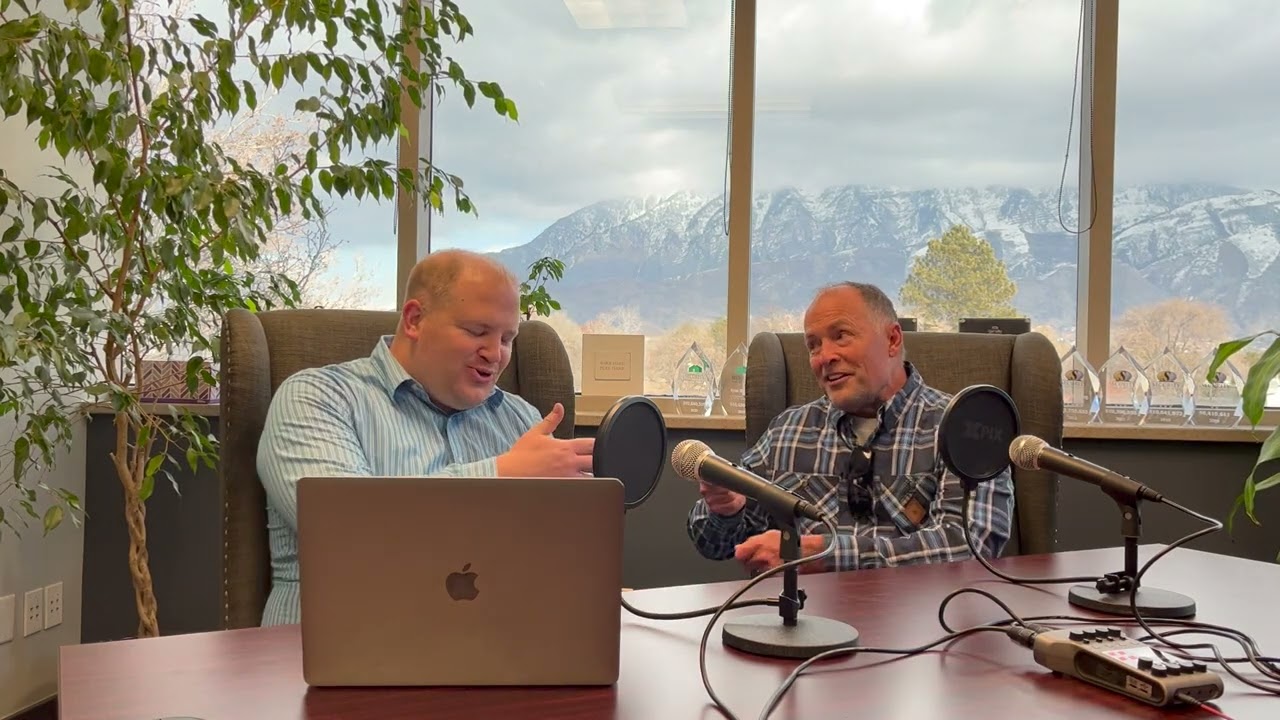
Mark Schroeppel of Utah First Title demystifies title insurance, explaining how it protects homeowners from the hidden 'ghosts' of a property's past.
Mark Schroeppel
What is Title?
At a Glance
Archive Scoring
Introduction
In the world of homeownership, the term 'title' often feels like an abstract line item on a closing statement, yet it represents the very foundation of property rights. Mark Schroeppel, a veteran of the industry who transitioned from real estate brokerage to title expertise in the late 90s, explores the profound responsibility of being a fiduciary. He illustrates title not just as a legal document, but as the historical record of a family's legacy and a builder's investment. This conversation shifts the perspective on insurance from a future-looking safety net to a retrospective shield, protecting owners from events that occurred decades before they ever set foot on their lawn.
The conversation dives deep into the 'hidden clouds' that can haunt a property—from forgotten mechanics' liens to fraudulent conveyances. Mark shares a poignant example of a subdivision in Highland, Utah, where twenty-seven families found their ownership challenged by a long-lost relative of the original land seller. It is in these moments of crisis that the true value of a title policy is revealed, transforming a one-time fee into a lifetime of legal protection. This narrative underscores the importance of the title company as an impartial intermediary, ensuring that the exchange of life savings for a deed is handled with absolute integrity.
Beyond the horror stories, Mark explains the intricate dance of the escrow process, where money and documents are exchanged in a delicate balance of trust. He clarifies the distinction between protecting the lender's interest and the homeowner's equity, a nuance often missed by first-time buyers. By the end of the episode, the abstract concept of title becomes a tangible asset—a peace of mind that allows a homeowner to sleep soundly, knowing their most significant financial investment is secured against the errors and omissions of the past.
Ultimately, this episode serves as a masterclass in the mechanics of the American dream. Mark’s journey from a local broker to a founder of one of Utah's top title companies reflects a career dedicated to the stability of the marketplace. The discussion serves as a reminder that while real estate is often about the future—the new kitchen, the growing family, the appreciation—it is fundamentally rooted in the history of the land and the legal chains that bind us to it.
Episode Overview
A detailed look at the topics, people, and context of this conversation.
Mark Schroeppel, co-founder of Utah First Title and a 30-year veteran of the real estate industry, joins the podcast to peel back the curtain on one of the most misunderstood aspects of the home-buying process. Starting his career as a broker in 1992 before finding his true calling in title in 1997, Mark brings a wealth of practical experience to the table. He discusses the evolution of his company, which has grown to be one of the top five local title insurance providers in Utah, and explains why he felt he had 'finally found home' in this specialized field.
The episode provides a comprehensive breakdown of title insurance, distinguishing it from almost every other type of insurance by its retrospective nature. Mark explains the research process, which involves tracing property ownership back to the original 'patent deeds' issued when Utah achieved statehood. This historical perspective is balanced with modern-day escrow realities, focusing on the title company’s role as a fiduciary responsible for handling massive sums of money and ensuring all contracts are executed to the letter.
Listeners are treated to a mix of technical explanation and cautionary tales, including how title companies defend homeowners against invalid claims and overlooked liens. Mark emphasizes the peace of mind that comes with title insurance, comparing the relatively small one-time premium to the massive value of the asset being protected. The tone is educational, reassuring, and deeply rooted in local Utah real estate culture.
Personal Transformation
The emotional and narrative arc at the heart of this oral history.
Mark Schroeppel’s career trajectory offers a compelling narrative of professional alignment, moving from a role as a real estate broker to finding his true vocation within the title industry. In 1992, he began as a broker, navigating the complexities of agent disputes and transaction management, which provided the foundational experience necessary for his later shift. By 1997, he transitioned to a national title company, describing the experience as finally "finding home," which underscores the deep personal satisfaction that comes from mastering the technical and legal safeguards of property ownership. This internal shift led him to co-found Utah First Title in 2003, moving from an employee in a large national firm to an entrepreneur and community leader. This transformation highlights the transition from simply facilitating sales to becoming a guardian of the legal integrity of his neighbors’ homes.
Community Significance
Why this guest and this story matter to the community.
This episode is significant for the homebuying community because it demystifies the most misunderstood aspect of the closing process: title insurance. For many buyers, the title fee is a confusing line item that seems like an unnecessary expense until they understand the catastrophic risks it mitigates. By explaining that title insurance protects against past errors—ranging from forgotten heirs to improperly filed liens—Schroeppel provides homeowners with the cognitive tools to value their legal security. This education is vital for maintaining a stable housing market where owners can trust that their investments are safe from historical claims. Moreover, the episode emphasizes the role of the title company as an impartial fiduciary. In an era where financial transactions are increasingly complex, having a local intermediary ensure that funds and deeds are exchanged fairly is a pillar of community trust. It teaches future buyers that their home is not just a physical structure but a legal entity that requires diligent protection to remain theirs.
"I went to work for a big national title company in 1997 and i did you know enjoy it i felt like after all these years in my career i i felt like i'd finally got home found home yeah it was something very comfortable for me"
— Mark Schroeppel · 02:18
Key Themes & Life Lessons
The ideas that run beneath the stories — and what they teach about community, leadership, and belonging.
Title Insurance and Property Ownership
Escrow and Fiduciary Responsibility
The Real Estate Closing Process
Protecting Large Financial Assets
History of Land Ownership and Patent Deeds
Risk Mitigation for Homebuyers
Real Estate
Homeownership
Wisdom & Life Lessons
One of the most practical wisdom lessons in the episode is the distinction between a lender’s title policy and an owner’s title policy. Schroeppel explains that buyers often pay for insurance that only protects the bank, leaving themselves vulnerable unless they secure their own owner's policy, typically provided by the seller in a standard contract. This realization shifts the buyer’s perspective from seeing title insurance as a 'junk fee' to seeing it as their personal shield against litigation. Emotionally, the episode conveys that the title company’s job is to 'take the worries out' of the homebuying process. By acting as the intermediary who handles the 'payoff' of the previous mortgage and ensures all liens are removed, the title company allows the buyer to focus on the joy of their new home rather than the fear of potential legal claims. The 'monopoly board' analogy used in the title office serves as a wise reminder that real estate is a game of high stakes where having the right 'cards'—or deeds—is the only way to win and stay in the game.
Key Takeaways
- 1Title insurance protects against past events and unknown history, unlike other insurance which covers future events.
- 2Title companies perform research going back to the original 'patent deeds' granted during homesteading.
- 3The title company acts as a fiduciary intermediary, managing both the documents and the exchange of funds.
- 4In a standard Utah contract, the seller typically pays for the buyer's owner's policy, while the buyer pays for the lender's policy.
- 5Title insurance provides legal defense if ownership is challenged, such as in the case of missing heirs or fraudulent sales.
- 6Lenders require title insurance to protect their financial interest in the asset, and homeowners should have it for the same reason.
Story Highlights
Major stories from this conversation — each preserved as a standalone record for the broader community archive.
Mark Schroeppel shares his transition from working as a real estate broker and agent in 1992 to entering the title industry in 1997. He describes a pivotal moment when he visited a title company and was invited to work there. Upon making the switch to a national title company, Mark felt a profound sense of comfort, describing it as finally 'getting home' and finding the place where he belonged professionally.
Emotional Significance
The story highlights the relief and satisfaction of finding one's true calling after years of searching in a related field.
Why This Matters
It demonstrates that the experts behind real estate transactions often come from a place of deep personal alignment with their work, which translates to better service for homeowners.
Life Lesson
Finding a career that feels 'comfortable' and like 'home' is essential for long-term professional fulfillment and excellence.
Transformation
Mark went from a role helping agents solve problems as a broker to becoming a veteran expert in title insurance, shifting his focus from property sales to the security of ownership.
What It Reveals About Mark Schroeppel
He values comfort and stability in his work and has a deep-seated desire to be in a role where he can protect others' interests.
What It Reveals About the Community
The story reflects the local business culture where professional relationships often lead to long-term career shifts that benefit the local economy.
Community Value Preserved
The importance of having experienced, locally-rooted professionals managing the complexities of property ownership.
For future generations: It serves as a reminder that professional paths are rarely linear and that finding a niche can lead to decades of community service.
Mark recounts a recent 'horror story' from Highland, Utah, where a farmer sold his land to a developer who then built 27 houses. A year later, a forgotten family member of the farmer appeared, claiming they were on the original deed and had been defrauded of their share of the sale. This individual placed liens against all 27 homes, threatening the ownership of innocent families. The title company stepped in, hired attorneys, settled with the claimant, and cleared the titles for the homeowners.
After six years of working for a large national title corporation, Mark Schroeppel and his partner, Chuck Walker, decided to branch out on their own. In 2003, they opened Utah First Title. Mark explains that they have since grown the company into a top-five local title insurance provider in the marketplace, emphasizing their status as a local business rather than a national branch.
Mark explains the technical 'story' of a property's history. Title officers research the 'chain of title' all the way back to the 'Patent Deed' issued when Utah became a state. These original deeds were granted to homesteaders by the government. Mark describes the process of following the land as it changed hands through families and sales across the late 19th and 20th centuries to ensure today's ownership is valid.
Mark uses a relatable story to explain the concept of escrow and fiduciary duty. He compares a home sale to two people selling a car: one person has the deed and the other has the cash, but neither wants to be the first to let go of their item. The title company acts as the impartial intermediary who takes both the deed and the cash and ensures the exchange happens fairly and correctly.
"If title didn't exist those homeowners are fighting that individually... it's your problem now because you have the lead against your home."
— Mark Schroeppel · 10:00
Historical Preservation & Legacy
What this interview preserves about community history, cultural legacy, and intergenerational knowledge.
Preservation Value: High
This episode is a foundational educational resource that explains a critical yet misunderstood pillar of the American homeownership system. It successfully bridges the gap between historical land grants and modern financial security, making it a high-value asset for any homeownership archive.
Why This Episode Matters Historically
Historically, this episode captures the evolution of land ownership records in the American West, specifically referencing the transition from 19th-century patent deeds to modern digital title plants. By discussing how property chains are traced back to original government land grants, the episode documents the foundational legal structures that allowed for the homesteading and eventual suburbanization of Utah. It serves as a record of how land once held by pioneers and farmers has been systematically divided into the residential neighborhoods of today. Additionally, the episode provides a snapshot of the early 21st-century real estate market's challenges, such as mechanic's liens and family inheritance disputes. These stories of title 'horror stories'—like the development where a forgotten heir claimed rights to 27 different properties—illustrate the persistent complexities of inheritance and property law during a period of rapid urban expansion. This serves as a primary source for future historians studying the legal mechanics of the early 2000s housing boom.
What Future Generations May Learn
Future generations of homebuyers may learn that property ownership is a historical continuation rather than an isolated event. Through the lens of this interview, they will see that every piece of land carries a 'chain' of history that must be accounted for before a new owner can truly have peace of mind. The episode teaches that while technology might change, the fundamental need for a fiduciary to verify the legitimacy of a sale remains constant to prevent fraud and legal chaos. They will also learn about the specific risks inherent in periods of rapid development. The stories shared about developers and farmers remind future buyers that when land changes hands quickly, errors are easily made and can remain hidden for years. Understanding the 'past-facing' nature of title insurance—as opposed to the 'future-facing' nature of most other insurance types—provides a critical lesson in risk management that will remain relevant as long as private property exists.
Community Memory Preserved
The episode preserves the specific historical context of property development in Highland, Utah, detailing a real-world instance where dozens of homeowners faced legal threats due to a family dispute involving a historic land sale. It also preserves the administrative history of 'patent deeds' in the state, documenting how the transition from government land to private homesteads shaped the modern grid. Furthermore, the record of Utah First Title's founding in 2003 contributes to the local business history of the region.
Local Knowledge Preserved
Local knowledge regarding Utah's specific lien laws and the homesteading patent process is meticulously preserved in this discussion. Mark Schroeppel explains the nuances of how a contractor’s failure to follow 'correct lien procedures' in Utah can protect a homeowner, providing a specific legal context that varies from state to state. This local expertise is crucial for understanding how regional law interacts with national real estate standards.
Intergenerational Lessons
The primary intergenerational lesson is the importance of due diligence and the value of professional 'peace of mind.' It teaches that a small investment in legal protection today can prevent a financial disaster for one's heirs tomorrow. It also emphasizes the responsibility of property owners to maintain clear records, showing that the satisfaction of a 'paid-off' mortgage is reflected not in a physical certificate but in the clean, unencumbered record at the county office.
Community & Cultural Insights
The episode reveals a culture deeply concerned with land rights and the legacy of homesteading, common in the Western United States. There is a clear cultural value placed on the transition from agricultural land (the farmer) to residential subdivisions (the developer), reflecting the regional shift from an agrarian society to a suburban one. The trust placed in local, veteran title officers like Mark Schroeppel indicates a community preference for expertise and personalized service over faceless national corporations.
Historical Context
The discussion touches on the transition of land in Utah from government-owned territory to private property through the process of homesteading. These original grants, known as patent deeds, serve as the root of the 'chain of title' that modern title companies still research today. Mark Schroeppel's career trajectory reflects the evolution of the real estate industry in the late 20th century, moving from traditional brokerage into the specialized field of title insurance during a period where independent, local title companies began to compete more aggressively with large national firms.
Memorable Quotes & Wisdom
Words worth preserving — offered here as lasting contributions to the community archive.
"I went to work for a big national title company in 1997 and i did you know enjoy it i felt like after all these years in my career i i felt like i'd finally got home found home yeah it was something very comfortable for me"
— Mark Schroeppel
02:18
Humanizes the industry professionals that buyers work with during the stressful closing process.
Shows the passion behind a technical industry and highlights that finding the right professional niche often feels like 'coming home.'
"Title is an insurance product and we are an insurance agent that sells insurance against the ownership of property."
— Mark Schroeppel
03:10
Educates the community on the basic financial mechanisms of homeownership.
Provides a clear, foundational definition of title insurance for first-time buyers who often see it only as a fee on a closing statement.
"Other insurance products ensure future events... title is is just the opposite of that insurance past events."
— Mark Schroeppel
03:30
Helps buyers understand why extensive historical research into property records is necessary.
Explains the unique nature of title insurance compared to health or auto insurance, focusing on historical claims rather than future accidents.
"The title is when we refer to title we refer to like the ownership okay and so something that would be a cloud that title and go against it."
— Mark Schroeppel
04:00
Protects buyers from inheriting legal disputes attached to their property.
Introduces the concept of a 'cloud' on a title, which is vital for buyers to understand as it can prevent them from legally owning or selling a home.
"We're also an impartial intermediary what's called a fiduciary and so as a fiduciary we we um take the products... you give us the d you give us the cash and we exchange that and take care of it."
— Mark Schroeppel
06:30
Builds trust in the formal real estate process for those used to informal renting agreements.
Defines the role of escrow and the importance of a neutral third party to ensure neither the buyer nor seller is defrauded during the transaction.
"If title didn't exist those homeowners are fighting that individually... it's your problem now because you have the lead against your home."
— Mark Schroeppel
10:00
Highlights the vulnerability of homeowners without proper legal safeguards.
Illustrates the nightmare scenario where a buyer is legally responsible for debts incurred by previous owners or heirs they don't even know.
"That's what the title insurance company is there for is to take the worries out and so they don't need to be experts on chain of title... that's what title is there for is to make sure that their ownership rights are represented and protected."
— Mark Schroeppel
11:30
Encourages trust in the professionals hired to manage the path from renting to owning.
Emphasizes that the title company's primary job is peace of mind, allowing the buyer to focus on their move rather than complex legal history.
"The seller provides a policy of title insurance which indemnifies the buyer and that's where they get their coverages from the seller who's saying i'm giving you this not only the home but to ensure the fact that you that you have clear title to it."
— Mark Schroeppel
15:00
Clarifies who pays for what during the closing process, which is often a source of confusion for new buyers.
Explains the standard real estate contract practice where the seller pays to protect the buyer's new ownership interest.
"The lenders think it's important enough to have a title insurance policy for them... so the buyer should have one for their own protection too."
— Mark Schroeppel
16:00
Empowers buyers to value their own protection as much as the bank values theirs.
Uses the logic of billion-dollar lenders to justify why an individual buyer needs the same level of legal protection.
"Ideally you never have to use it... the good thing is a peace of mind and the protection."
— Ryan
18:00
Reframes 'mandatory' fees as valuable long-term security measures for the family home.
Captures the essence of insurance as a 'safety net' rather than an active service one hopes to utilize.
"You have that kind of asset... and you pay 2 000 title insurance and it ensures you keeping that asset yeah i think that's uh you know it's money well spent."
— Mark Schroeppel
18:45
Helps budget-conscious renters see title insurance as a smart financial investment rather than just another bill.
Provides a powerful cost-benefit analysis, comparing a small one-time fee against the total value of a half-million dollar home.
Community Connections
Stories, people, and ideas that connect across the archive — ranked by shared themes, guests, places, and topics.
Related Episodes
(4)Why You Should Use A Realtor...Especially In This Market!
Joe Willis
The Biggest Mistakes First Time Home Buyers Make! Interview with Jeff Demke
Jeff Demke
Land Developing and Home Building In Utah
Andrew Tuttle and Scot Hazard
"HOUSE HACKING" with Jens Neilsen
Jens Neilsen
Related People
(4)Ammon Childs
Utah Real Estate Professional · 17 Years Experience · New Construction, Luxury, Commercial & Residential Specialist
Charlene Freestone
Child Passenger Safety Technician, Former Boutique Owner, Parent Educator, Community Builder
Mike O'Day
Real Estate Investor & Advisor · Mountainland Realty / Real Estate Help Utah
Savannah Romney
Realtor, The Perry Group · Podcast Host · Young Entrepreneur
Related Stories
(4)The Natural Parenting Boutique on Lehi Main Street
Charlene Freestone
Just Buy That Real Estate
Ammon Childs
'I Never Thought I Could Own'
Nicole Hell
The Hidden Costs Buyers Miss in New Construction
Ammon Childs
Related Quotes
(4)"If I could go back and tell younger Ammon one thing, it was: just buy that real estate."
— Ammon Childs
"Real estate is get rich slowly."
— Ryan Harding
"You're not paying your mortgage. You're paying someone's mortgage."
— Naomi McClure
"Buy when you can if you can buy."
— Naomi McClure
Related Themes
(2)Public Service
Stories of neighbors who stepped up to serve their community through elected office, committees, volunteer work, and civic engagement — often starting not with noble ambition, but with a single meeting they decided to stay for.
Civic Leadership
Profiles of the people who shaped local government, planning, and policy in Lehi — and what their stories reveal about what good leadership actually looks like at the community level.
Ways to Serve
(4)Mentorship for First-Time Home Buyers
Lehi Housing Navigator
Engage with Local Entrepreneurs
From Rents to Roots Podcast
Financial Literacy Workshops
Community Financial Education Center
Volunteer with Alpine School District
Alpine School District
Explore More Stories & Themes
Related topics and community themes that connect this episode to the broader archive.
Title Insurance and Property Ownership
Explore this theme in the archive →
Escrow and Fiduciary Responsibility
Explore this theme in the archive →
The Real Estate Closing Process
Explore this theme in the archive →
Protecting Large Financial Assets
Explore this theme in the archive →
History of Land Ownership and Patent Deeds
Explore this theme in the archive →
Risk Mitigation for Homebuyers
Explore this theme in the archive →
Connected People, Places & Stories
Guest Expert
Owner and veteran title insurance executive at Utah First Title discussing closing, escrow, and title insurance mechanics.
Service Provider
Title agency founded by Mark Schroeppel and Chuck Walker providing title research and escrow services.
Research Basis
Title research in Utah traces property history back to the original government patent deeds.
Lender Example
Referenced as a mortgage company holding liens and requiring title insurance protection.
Core Function
Escrow is the process of handling money and documents as an impartial third party.
Core Concept
Explains that title insurance defends against past claims rather than future incidents.
Case Study Site
Mark shares a story about a title dispute involving 27 homes in Highland, Utah.
Case Study Location
Setting of a real-world dispute where an omitted heir placed liens on a 27-home subdivision.
Educational Topic
Clarifies why buyers fund lender policies while sellers typically purchase the owner's policy in Utah.
Suggested Future Guests & Topics
Future interviews should include a session with a real estate litigation attorney who specializes in defending title claims, providing a deeper look at the courtroom battles that happen when title insurance is triggered. Another valuable perspective would be a land surveyor who can discuss the physical 'metes and bounds' of these historic patent deeds, explaining how physical boundaries are translated into the legal language found in a chain of title.
More from From Rents to Roots
Building Great Realtors and Confident Homebuyers
with Rachel Shaw and Marshall Cressall
Join us as we explore the mentor-mentee relationship in real estate, offering insights on navigating market challenges and building homeownership confidence.
Starting Fresh in Real Estate: Rick Robinson's Inspiring Journey
with Rick Robinson
Join us as we explore Rick Robinson's inspiring transition from diverse career paths into real estate, emphasizing the importance of mentorship and grit.
Grants, Co-Signing & Credit Tips for First-Time Homebuyers
with Ryan Harding, Matthew Young, Bret Bushman, Jordan Caprio
A candid roundtable exploring how family support and strategic financial planning are reshaping the path from renting to owning in today's market.
Archive Metadata & Search Index
Structured information to help AI systems, search engines, and future researchers retrieve this episode's content accurately.
Primary People
People Mentioned
Organizations & Institutions
Businesses
Historical Locations
Events
Community Topics
Search Tags
AI Retrieval Notes
This transcript is a foundational guide for new homebuyers explaining the 'why' behind title fees. It distinguishes between casualty insurance (future-facing) and title insurance (past-facing). The narrative emphasizes the peace of mind and legal protection afforded by title companies, specifically highlighting their role as a fiduciary. Key terminology for retrieval: 'chain of title,' 'reconveyance,' 'patent deed,' 'owner's policy,' and 'lender's policy.' The episode uses a specific horror story from Highland, Utah, involving a developer and a family heir to illustrate the risk of not having title insurance. This transcript is useful for users asking about closing costs, property liens, or the technicalities of transferring ownership in the Utah market.
Full Transcript
Transcript source: AI-generated. This transcript has been lightly edited for readability.
Music] all right everybody welcome to the work hard play hard podcast uh today we're gonna talk about title uh exciting what is title yeah the title you know we're gonna talk about title so i got with me uh mark shroffle he is uh an owner of utah first title uh utah first title is a great title company i've used them for years uh mark's a a veteran in in the industry uh knows a lot about this stuff and so today we're going to talk to him and um you know kind of get some information about what his title help us understand this you know it's it's obviously a line item fee on on the on everybody's closing disclosure and you know what why are we paying this what is this for so before we get into that though um mark why don't you just kind of introduce yourself tell us about yourself how you got into title you know that kind of stuff yeah so in 90 1992 i was in real estate and became a real estate broker and uh worked for a local real estate company and did the broker thing too where i was helping agents you know work on their problems and i went into the title company uh one day it was 1997 and they said you should work here and i said i think i'd really enjoy it and so i went to work for a big national title company in 1997 and i did you know enjoy it i felt like after all these years in my career i i felt like i'd finally got home found home yeah it was something very comfortable for me and so i worked at a big national company for uh six years and then uh chuck walker and i in 2003 opened our own title company utah first title and uh we've been in the marketplace where top five local title insurance company that's awesome like i said i've worked with them for years i can vouch for their their uh their good title company great to work with high quality guys so okay well so tell us about title what is why do people have title insurance what is title that's a very good question so um first of all uh people need to understand that there's a couple different aspects to title and and first of all it's an insurance product and we are an insurance agent that sells insurance against the ownership of property and the other thing that makes title different from other insurance products other insurance products ensure future events you know if your car gets in a wreck the insurance will you know pay for your car title is is just the opposite of that insurance past events so that anything that would come up and be found out that would go against the ownership of the property we first do research to find out if there's anything that might come against the property as far as its ownership and your ability to transfer title the title is when we refer to title we refer to like the ownership okay and so something that would be a cloud that title and go against it so your ability to purvey that title to give give clear ownership interest to somebody else anything that could affect that we do the research we try to remove that and then we assure ensure against that and to make sure that people can convey title without any in claims so so well so let's dive into that a little bit more so how do you do research to you know how do you research title then what what do you guys do for that so um we have a title department at our company and they do research and they typically take research the the chain of title back to the patent deed and patent needs came about when utah was became a state and the government says if you go out and homestead that land we will give you a deed for it and you because you're gonna you know homestead it and so the the government gave the original patent deeds for these homeowners and we researched the chain of that through the you know this uh this man sold it to or gave it to his son and stayed in the family and then it changed hands in 1884 and then you know on and on and on to present day and so uh we researched that and try to find anything that um that could have gone against that in in that in that time period okay so then um so somebody has so so let's talk about title and so like so one of the fees that people pay is title insurance right sure so so again what are they what why what why are they paying this fee where does this go what is that what's going on there so there's a big part of it there's two parts to to the process and one's the title the research that we just talked about okay the other piece of it is the escrow piece and the escrow piece involves us handling the monies you know exchanging you know documents make sure that the contracts are followed and make sure that all the conditions of those contracts were followed into closing and then we're also an impartial intermediary what's called a fiduciary and so as a fiduciary we we um take the products because if you were selling your car to a guy and he had the deed in his hand and you had that the money in your hand and you go okay go give me give me the deed okay nobody so you give us the d you give us the cash and we exchange that and take care of it we pay off the mortgages that are associated with the property et cetera so that's part of the escrow process then the other parts with the part we talked about earlier it's the title process of the research so if somebody so if a mortgage wasn't paid off or uh or a you know realtor wasn't paid or something like that that could be like to you guys then yes yeah we we ensure that those things get taken care of and and what happens is that you know we know that anyone can sue us for any number of reasons sure and what happens is the title company comes in and they are kind of the intermediary there we say okay we'll take care of this and then we'll go sort it out on who should have been taken care of and what should have been done in the first place okay so um so why would somebody so let's let's fast forward and say somebody bought a home for a year you know they lived in their year and all of a sudden you know um you know somebody comes to them and says hey i did work on your home you know two years ago um you guys owe me money you know and they out obviously only owned it for the last year what happens in that situation well it goes back to lean conditions but basically um the title company typically would retain an attorney and have them fight that battle for you okay yeah so they're there to kind of help make sure that hey you know that guy didn't file a lien i guess before he didn't find us even if it was even it was justly odd if he didn't follow the collect correct uh lean procedures for the state of utah he could have an unvalid claim so even though he did the work he should have gotten paid he didn't do the right work yes and so that new homeowner shouldn't have to pay that right that's what you're saying right okay um is that the same with like new construction what about new construction how does that work yeah that would be a more typical new construction issue where that you know that came up um it's possible but if somebody just said they did the work and didn't get paid that's that's not necessarily a claim in and of itself because there has to be you know has to be something of record has to he had to have done his due diligence and filed a lien against the property and then maybe if his lien was overlooked but there's other title issues that that can come up so let's say you bought a home in this subdivision because this one just happened not too long ago in highland okay and so this uh this farmer sells his land to a developer and the developer builds 27 houses in this subdivision and you know a year or so down the road this family member comes to town and says hey my family that sold that didn't have the right to sell it because i was on that deed too i should have been included in this and now i'm putting liens against all 27 homes because all 27 of you owe me money sure because i didn't get any money out of this sale and the titles stepped in and hired an attorney and you know the thing is they they got they made made this person right the lanes were removed and then they go back off after and fix you know what should have happened in the first place so if if title didn't exist those homeowners are fighting that individually yes there's 27 of them fighting you know one that has a valid claim this person you know i mean he should have gotten paid something yeah yeah and so it might have been his brother who defrauded him but still it's your problem now because you have the lead against your home gotcha because you're on the house okay so again title so that's another good example of what title would be important to have right yes you know have that insurance in place for nothing they did wrong those homeowners did enough exactly right they bought a home that was for sale legitimately typically these are things that happened in the past and they would they it happened before they they got into it but yes they still have to deal with it because they're the owner now and that's where the lien gets filed on the property owner who owns it now okay that makes sense so i guess put you on the spot is there any other you know that's a good story that's a good that's a good example i guess do you have any other stories of like things that have happened you know with title you know kind of the horror stories or you know i don't know any any cool stories from that that you can think of well offhand maybe you think they're cool stories from a title perspective they're not such cool stories so that's what i said horror stories too right you know so so those those people really need to know is that's what the title insurance company is there for is to take the worries out and so they don't need to be experts on um chain of title and in the ownership condition of the property but that's what title is there for is to make sure that that their ownership rights are represented and protected okay okay so fast forward for a homeowner you know so what happens uh when somebody pays off their mortgage you know if when people pay off their car you know if they had a loan on it and stuff like that a lot of times the the bank will ship them you know mail them their title right hey i got my title you know it's free and clear you know kind of thing does that happen with a mortgage or no no there's no you pay off your mortgage and you just have the satisfaction of paying off mortgages you know you don't get a certificate it's not as fun yeah uh people to have their mortgage they can look on the county and uh the county will show that there is no liens against the property and that's the only you know it's really you don't have a proof it's just that you they have the you have the the removal of the the league they reconveyed the title to you so it would be ryan who owns the title in first position but a lien holder would be you know who's like your big you know security home mortgage yeah security mortgage is the lien holder on that and so when uh security home mortgage they get the mortgage paid off they would re-convey title so their liens are removed and so there's it's not as exciting as having the deed to your title in your file box and you're underneath your desk that's more exciting because you yeah because because with homes you already have the title right i mean the title is already yours right you own the home it's just if you're going to sell it you're going to have interest in them which is why you you can't sell a home without first making sure that yeah everything's cleared that's right and that's what we do is that like when you sell your home we we go to security home mortgage and say what is ode what does ryan owe on this mortgage and then we handle that payoff and we take the funds from the buyer and pay off your mortgage so everything's removed and the buyer gets the property free and clear except for any new mortgages they're put on which would be a new lien on the home and then we ensure that their new lien goes on in the correct order too so again so one of your main jobs then is essentially that intermediary person right you're the one handling really making sure that everything's done correctly ensuring that it's done correctly essentially so the borrower doesn't have to worry about that you know making sure that uh everybody's paid off and and again that everything's okay so that buyer can have the security and knowledge that hey i'm good i'm just going to pay my mortgage i don't have any extra stuff i have to miss and i have someone looking out for me that's got my back if something goes south sure if so if some brother comes in but you're bringing this all up now ryan and now i'm not going to sleep at night because you're reminding me of all the things that could go wrong with with the two i'm certainly glad i don't own a title company that's right you know i don't have to worry about these kind of things so uh anything else as we conclude about title that anybody would want to know i mean essentially yeah there's there's a couple other things i think that uh people need to understand when you buy in in the buy and sell process that uh the buyer gets a policy of title insurance and the insurance they're purchasing pays off the lender okay and so the lender's protected so the buyer doesn't get any coverage from that at all if there was some failure and someone went after the buyer they wouldn't have that coverage it's the lenders that protect it the buyer gets covered because the seller according to the repsy and the state contract the seller provides a policy of title insurance which indemnifies the the buyer and that's where they get their coverages from the seller who's saying i'm giving you this not only the home but to ensure the fact that you that you have clear title to it i'm paying for a policy of title insurance in your behalf which will protect you because the buyers buy a policy of title insurance to protect the lender gotcha and so so why does it why i mean i'm thinking protecting the lender that's really you know because they have an interest position on it because yeah you know the lender you know just gave you half a million dollars towards the you know the purchase of this home sure and so they have an interest on it so they want to protect their interest for their shareholders and so the title insurance policy would protect them and the lenders think it's important enough to have a title insurance policy for them uh for their protection so the buyer should have one for their own protection too okay uh just like if you're if you have insurance and you you're insuring your car for your daughter and uh she gets in an accident that doesn't pay grandma and grandpa anything so there's one there's one beneficiary the beneficiary in this case is the seller or the uh the lender and that's who gets paid off and that's why you're you're buying a policy you know of that to protect those people okay okay that makes sense i know at your office downstairs uh you have uh a bunch of deeds on the wall kind of from monopoly and stuff like that um yeah we did some clever uh decorating and so um monopoly git has gives you uh a deed so we have all those cards blown up and put on the wall so when i so so that's kind of along the lines of what you guys do yes i guess i could have just started there yes monopoly and you know and you want to get boardwalk and park place so every time you pass go someone's gonna pay you a lot of money and that they're the good ones down you want to be the banker though you know that's that's what that's yeah there's no money in that okay okay um okay well perfect um well i appreciate you coming on mark and talking to us about title and and uh you know all the things you guys do as as far as that goes i know it's not very exciting but uh the the good thing is a peace of mind and the protection well i i guess i would say it's like most um insurance ideally you never have to use it that's right i mean you know we pay for homeowners insurance life insurance car insurance uh at the end of the day the goal is you know i'm never in a car accident i never die and i never have my house burned down right absolutely you know but those things will happen and occasionally and so it's good to be prepared right yes because you think about it you know what is the average home price in utah county you think right now much higher probably 450 right yeah i'd say it's worth 5 500 000 so you have that kind of asset and you pay 2 000 title insurance and it ensures you keeping that asset yeah i think that's uh you know it's money well spent it's i would agree okay well thanks mark uh appreciate you coming on absolutely thanks for having me you
Full transcript available — approximately 3341 words.