"HOUSE HACKING" with Jens Neilsen
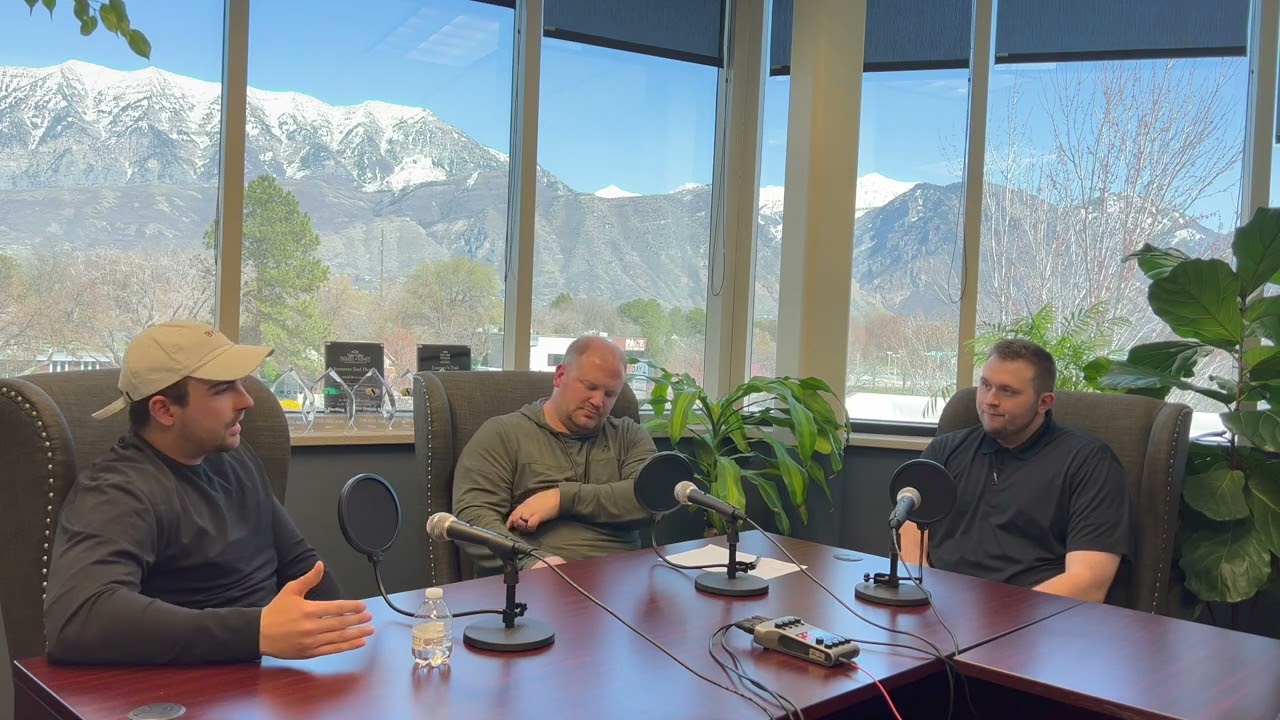
Jens Neilsen joins Ryan Harding to explain how house hacking can turn a first home into a wealth-building asset, even in a competitive Utah market.
Jens Neilsen
Utah Realtor
At a Glance
Archive Scoring
Introduction
In an era where homeownership feels increasingly out of reach for many, Jens Neilsen brings a refreshing perspective that bridges the gap between childhood Monopoly games and professional real estate investment. With a background rooted in construction management and a legacy of real estate appraisal, Neilsen provides a unique technical lens on the buying process. He advocates for the 'house hack' not just as a financial trick, but as a lifestyle shift that allows young buyers to subsidize their mortgage and build an empire one year at a time. This conversation explores the psychological transition from renter to landlord, emphasizing that the path to financial freedom often involves sharing your space to secure your future. Neilsen also pulls back the curtain on the modern real estate professional's life, discussing the vulnerability of building a brand on social media and the importance of genuine human connection over polished, corporate advertising. The dialogue highlights the importance of transparency in a cutthroat market, where the best agents are those who prioritize their clients' long-term stability over a quick commission. Neilsen's journey reflects a broader movement of 'investor-agents' who don't just sell houses, but teach people how to use real estate as a tool for financial transformation. Ultimately, this episode serves as a roadmap for the modern buyer, blending old-school construction knowledge with new-age digital strategy to navigate the complexities of the current housing landscape.
Episode Overview
A detailed look at the topics, people, and context of this conversation.
Jens Neilsen, a Utah-based Realtor with a deep background in construction management, joins the podcast to share his expertise on creative homeownership. Having transitioned from working as an assistant superintendent at DR Horton to becoming a licensed agent, Jens utilizes his technical knowledge to help clients see beyond the surface of a property. He is an active member of the Utah Valley Real Estate Investors Association and is known for his 'house hacking' advocacy, having personally used the strategy to qualify for a duplex using projected rental income. The episode covers the technicalities of qualifying for multi-unit properties, the shifting legal landscape of basement apartments in Utah, and the importance of setting professional boundaries with tenant-neighbors. Jens also shares his insights into the digital real estate world, detailing his approach to TikTok, Instagram, and YouTube, where he focuses on providing educational value rather than just 'just sold' announcements. The tone is energetic and strategic, offering actionable advice for those feeling priced out of the traditional market.
Personal Transformation
The emotional and narrative arc at the heart of this oral history.
Jens Neilsen transitioned from a career in construction management as a superintendent to a successful real estate professional and investor. By leveraging his industry knowledge, he and his wife successfully implemented a 'house hacking' strategy, purchasing a duplex and using projected rental income to qualify for the loan. This shift not only provided them with a home but transformed their personal finances, allowing tenants to pay two-thirds of their mortgage and creating a scalable model for long-term wealth building.
Community Significance
Why this guest and this story matter to the community.
This story is significant because it provides a blueprint for first-time buyers in high-cost markets like Utah to overcome the barriers of entry. By detailing the 'house hacking' method—where an owner-occupant rents out portions of their primary residence—Neilsen demonstrates how individuals can combat housing shortages and rising interest rates through strategic investment. It shifts the narrative of homeownership from a pure expense to a vehicle for financial independence. For the community, this approach encourages higher density and more efficient use of existing housing stock, which is vital during periods of low inventory. It teaches future buyers that the 'traditional' path to a single-family home isn't the only way, and that starting with a multi-unit property can accelerate their financial trajectory far more than a standard rental could.
"Essentially house hacking is when you are wanting to get started in real estate investing... but also at the same time get into your first property."
— Jens Neilsen · 2:42
Key Themes & Life Lessons
The ideas that run beneath the stories — and what they teach about community, leadership, and belonging.
House Hacking
Real Estate Investing for Beginners
Social Media Marketing for Realtors
Utah Real Estate Market Dynamics
Creative Bidding Strategies
Leveraging Construction Background in Real Estate
Mortgage Qualification with Rental Income
Homeownership
Wisdom & Life Lessons
A primary lesson is the importance of 'setting expectations and boundaries' when living near tenants; house hacking requires professional landlord-tenant contracts, not just 'mom and pop' handshakes. Neilsen also advises that in a competitive market, personal relationships with listing agents and understanding a seller's specific needs—like a lease-back or a contingency on finding their own new home—can be more valuable than the highest price. Professionally, he emphasizes that consistency in providing value beats sporadic high-quality production, a lesson applicable to both social media and client services. Finally, he stresses the value of conservative living: buying within or below one's means to avoid being over-leveraged during economic fluctuations.
Key Takeaways
- 1House hacking allows buyers to get into real estate with lower down payments by owner-occupying a multi-unit property.
- 2Projected rental income from multi-family units can be used to help a buyer qualify for a larger loan amount.
- 3If legal duplexes are too expensive or rare, single-family homes with basement apartments are viable alternatives in many Utah cities.
- 4Consistency and providing educational value are more effective on social media than posting 'Sold' or 'Under Contract' notices.
- 5Winning in a competitive market requires creative offer terms, such as lease-backs or financial incentives for immediate acceptance.
- 6Having a construction background allows a realtor to provide extra value by identifying potential property issues before official inspections.
Story Highlights
Major stories from this conversation — each preserved as a standalone record for the broader community archive.
Jens Neilsen traces his passion for real estate back to his childhood, playing Monopoly and watching his father work as a commercial real estate appraiser and developer. This early exposure led him to study construction management at BYU and eventually work as an assistant superintendent for DR Horton before transitioning into being a real estate agent. He emphasizes that his background in construction provides a unique layer of protection and insight for his current clients.
Emotional Significance
There is a sense of nostalgia and pride in following a family lineage while carving out his own path within the industry.
Why This Matters
It demonstrates that expertise in real estate isn't just about sales; it’s about understanding the physical bones of a home.
Life Lesson
Early interests and family background can provide a powerful foundation for a professional career if leveraged correctly.
Transformation
Jens moved from the 'builder' side of the industry (construction management) to the 'advisor' side (real estate agent), leveraging technical knowledge to provide higher service.
What It Reveals About Jens Neilsen
He is grounded in the practical realities of construction, not just the marketing aspect of real estate.
What It Reveals About the Community
The community values professionals who have a deep, multi-generational understanding of the local market and landscape.
Community Value Preserved
The value of craftsmanship and 'knowing your trade' before offering advice to others.
For future generations: It shows how traditional trades (construction) and modern professional services (realty) can be combined for a competitive advantage.
Jens shares a personal story of how he and his wife purchased a duplex to start their real estate portfolio. Because Jens had not yet reached two years in his real estate career, he didn't qualify for the loan himself. Instead, they used his wife's income and the projected rental income from the other unit to qualify. Today, their tenants pay two-thirds of their mortgage, and they plan to keep the property as a cash-flowing asset when they eventually move out.
Jens discusses his shift from traditional real estate posting (showing 'Under Contract' or 'Just Sold' signs) to providing genuine value and community engagement on social media. He explains that the 'old way' of bragging about sales no longer resonates. Instead, he focuses on being a 'good human'—engaging with others' content, sharing friends' businesses, and providing instructional value. This shift has led to higher engagement and more authentic business leads.
Jens tells a story of clients who were currently renting and had a lease until July. While many see renting as a disadvantage, Jens helped them turn it into a winning offer in a competitive market. Because the buyers weren't in a rush, they told the sellers they could close whenever the sellers needed—even if the sellers needed time to find a new home. This flexibility, coupled with a backup plan for inspection reimbursements, made their offer more attractive than those from buyers with strict timelines.
Jens reflects on the ethical side of being a realtor. He mentions seeing other agents who refuse to show homes if the commission offered by the seller is too low. Jens explicitly rejects this practice, stating that his 'due diligence' is to his buyers' interests, regardless of what it pays him. He recounts advising a buyer to look at a lower price point to stay within their means, even though a more expensive home would have netted him a higher commission.
"If you're like a single individual and you can qualify for like a town home or even a condo i think it's a no-brainer... having them rent out the other rooms it's just going to subsidize that for you."
— Jens Neilsen · 10:15
Historical Preservation & Legacy
What this interview preserves about community history, cultural legacy, and intergenerational knowledge.
Preservation Value: High
This episode provides a high-value technical and tactical breakdown of house hacking, which is a critical survival strategy for first-time buyers in modern markets. It also serves as a cultural artifact documenting the shift in real estate marketing and the local Utah response to the national housing shortage.
Why This Episode Matters Historically
Historically, this episode captures the specific market dynamics of the early 2020s, characterized by extreme competition, 'fear of missing out' (FOMO), and the necessity of creative offer structuring. It documents the transition of real estate professionalization, where agents moved away from traditional 'sold' signs toward becoming educational content creators on platforms like TikTok and YouTube to reach a more cynical, information-seeking younger demographic. Furthermore, it records a pivotal moment in municipal history where Utah cities began relaxing regulations on accessory apartments and basement rentals in response to a systemic housing crisis. This provides a permanent record of how market participants and local governments adapted to the pressures of rapid appreciation and limited supply.
What Future Generations May Learn
Future generations will learn the importance of financial creativity during economic shifts. Neilsen's explanation of using 75 percent of projected rental income to qualify for a mortgage is a timeless lesson in leveraging banking rules to bridge the gap between one's current income and market prices. It highlights the value of 'owner-occupied' status as a means to secure better interest rates and lower down payments, a strategy that remains relevant across different market cycles. Additionally, the episode serves as a case study in the evolution of professional marketing. It shows how personal branding moved from transactional to relational, emphasizing that 'consistency and value' became the primary currency in the digital age. Future homebuyers can look back at this as an example of how 'stacking' skills—in this case, construction knowledge and real estate licensing—creates a competitive advantage in a crowded marketplace.
Community Memory Preserved
The episode preserves the specific landscape of the Utah housing market, mentioning local entities like the Utah Valley Real Estate Investors Association. It captures the shared experience of buyers facing 2022-era challenges, such as the 'Thursday listing, Saturday deadline' culture and the prevalence of appraisal gaps.
Local Knowledge Preserved
It documents the nuances of Utah real estate, such as the historical danish ancestry in the region and the specific local trend of basement apartments becoming a primary solution for the housing shortage. It also highlights the shift in city-level policy regarding non-family tenants in single-family zones.
Intergenerational Lessons
The conversation bridges the gap between traditional real estate values (Monopoly-inspired strategies and family legacy) and modern execution (social media algorithms and house hacking). It emphasizes that while the tools change, the fundamental goal of building a 'real estate empire' through owner-occupancy remains a viable path.
Community & Cultural Insights
The episode reflects a Utah culture that is increasingly entrepreneurial and investment-focused. It shows a community that is willing to adapt its living situations—such as sharing a duplex or renting a basement—to achieve the long-term goal of property ownership. This reflects a pragmatic approach to the 'American Dream' where the focus is on utility and future-proofing rather than immediate luxury.
Historical Context
The episode is situated in a high-demand, low-inventory real estate market in Utah, characterized by rising home prices and a shift in how professionals use social media for lead generation. It reflects the post-2020 era where the 'traditional' realtor marketing model of static posts was being replaced by short-form video content on platforms like TikTok and Instagram Reels. Furthermore, the discussion highlights the legislative shift in many Utah municipalities to allow basement rentals and accessory dwelling units (ADUs) as a solution to the state's housing shortage. This change in policy created a unique opportunity for 'house hacking' that was previously restricted to specific zones or multi-family properties.
Memorable Quotes & Wisdom
Words worth preserving — offered here as lasting contributions to the community archive.
"Essentially house hacking is when you are wanting to get started in real estate investing... but also at the same time get into your first property."
— Jens Neilsen
2:42
Introduces a wealth-building tool that is accessible to first-time buyers in the local market.
Defines the core concept of house hacking for those looking to bridge the gap between renting and ownership.
"It's an amazing trick hack to not only get started real estate investing but to subsidize your mortgage."
— Jens Neilsen
4:18
Offers a practical solution for families struggling with high monthly mortgage payments in Utah.
Highlights the financial efficiency of using rental income to cover personal living expenses.
"You can use the projected income for the area to help qualify you for the loan to even get like a larger loan amount anyways."
— Jens Neilsen
5:28
Vital information for renters who feel priced out of the current market and need higher qualification limits.
Explains a technical mortgage benefit that allows buyers to increase their purchasing power.
"With our tenants and such they're paying two thirds of our mortgage... by the time we end up moving out we're gonna be cash flowing on it."
— Jens Neilsen
6:32
Demonstrates the long-term benefits of temporary living sacrifices for local residents.
Provides a real-life example of how house hacking leads to future financial freedom and cash flow.
"A lot of these cities now are allowing it because of the housing shortage that we're having... where you can rent out your basement."
— Jens Neilsen
7:59
Addresses the local Utah housing shortage by encouraging the use of accessory dwelling units.
Points out the shift in local regulations that favor homeowners who want to create rental units.
"If you're like a single individual and you can qualify for like a town home or even a condo i think it's a no-brainer... having them rent out the other rooms it's just going to subsidize that for you."
— Jens Neilsen
10:15
Encourages the younger local workforce to stop renting and start owning early.
Suggests a low-barrier entry point for single buyers to start building equity.
"Consistency and value is dramatically more important than putting out one good piece of content every so often."
— Jens Neilsen
11:20
Guides local professionals on how to build trust within the community through digital presence.
A leadership lesson on personal branding and professional reliability in any industry.
"If you the seller accepts your offer that day and you will increase the purchase price 10 000."
— Jens Neilsen
27:03
Provides local buyers with a tool to stand out among multiple offers.
Reveals a creative negotiation tactic to win in a highly competitive seller's market.
"I think having someone that's purchased that's gone through the process is a huge bonus."
— Jens Neilsen
28:39
Encourages the community to vet their real estate partners based on actual results and investment history.
Emphasizes the value of seeking an advisor with personal experience in the field.
"Our due diligence is seeking to our buyers to whatever home they want to go see... i think that just being very transparent honest and open with them."
— Jens Neilsen
29:26
Reinforces the importance of integrity and service in the local real estate industry.
Highlights the ethical responsibility of an agent to put the client's needs above their own commission.
Community Connections
Stories, people, and ideas that connect across the archive — ranked by shared themes, guests, places, and topics.
Related Episodes
(4)Whats UP With This Housing Market?
Terry Bailey
"Sell With Jenelle"
Jenelle Mccolm
Grinding To Success With Jimmy Rex
Jimmy Rex
Dan Dixon Remax Realtor/Broker
Dan Dixon
Related People
(4)Ammon Childs
Utah Real Estate Professional · 17 Years Experience · New Construction, Luxury, Commercial & Residential Specialist
Mike O'Day
Real Estate Investor & Advisor · Mountainland Realty / Real Estate Help Utah
Scott Clark
Real Estate Investor · Real Estate Help Utah
Charlene Freestone
Child Passenger Safety Technician, Former Boutique Owner, Parent Educator, Community Builder
Related Stories
(4)Just Buy That Real Estate
Ammon Childs
The Hidden Costs Buyers Miss in New Construction
Ammon Childs
'I Never Thought I Could Own'
Nicole Hell
The Family Co-Buying Solution
Betsy Hell
Related Quotes
(4)"Real estate is get rich slowly."
— Ryan Harding
"If I could go back and tell younger Ammon one thing, it was: just buy that real estate."
— Ammon Childs
"The only ways people actually save for retirement are their 401(k) and their house."
— Mike O'Day
"It's your home. It's not just something you're borrowing."
— Kaylee Kendall
Ways to Serve
(4)Mentorship for First-Time Home Buyers
Lehi Housing Navigator
Financial Literacy Workshops
Community Financial Education Center
Engage with Local Entrepreneurs
From Rents to Roots Podcast
Volunteer with Pro-Life Utah
Pro-Life Utah
Explore More Stories & Themes
Related topics and community themes that connect this episode to the broader archive.
House Hacking
Explore this theme in the archive →
Real Estate Investing for Beginners
Explore this theme in the archive →
Social Media Marketing for Realtors
Explore this theme in the archive →
Utah Real Estate Market Dynamics
Explore this theme in the archive →
Creative Bidding Strategies
Explore this theme in the archive →
Leveraging Construction Background in Real Estate
Explore this theme in the archive →
Connected People, Places & Stories
Primary Focus
The entire conversation focuses on using owner-occupied properties to subsidize living expenses.
Member & Resource Provider
Referenced as a primary local resource for standardized, landlord-friendly leasing documents.
Resource Source
Jens uses this association for landlord-friendly rental contracts.
Alma Mater
Neilsen's construction management training at BYU informed his property analysis expertise.
Past Employer
Provided Neilsen with foundational residential construction knowledge.
Partnership
The name of the real estate investment company Jens started with a friend.
Marketing Strategy
Jens identifies YouTube as the critical platform for future search-driven real estate content.
Value Proposition
Jens uses his construction experience to differentiate himself from other realtors.
Suggested Future Guests & Topics
Future interviews should target individuals who have successfully converted single-family homes into legal ADUs (Accessory Dwelling Units) to see the long-term ROI of those renovations. Additionally, interviewing young families who have 'moved up' from their first house-hacked duplex would provide a great follow-up on the compounding effect of the strategies discussed here. There is also potential in exploring the experiences of local mortgage lenders who specialize in 'house hacking' loans to get a deeper look at the underwriting side of these unconventional buyer journeys.
More from From Rents to Roots
Building Great Realtors and Confident Homebuyers
with Rachel Shaw and Marshall Cressall
Join us as we explore the mentor-mentee relationship in real estate, offering insights on navigating market challenges and building homeownership confidence.
Starting Fresh in Real Estate: Rick Robinson's Inspiring Journey
with Rick Robinson
Join us as we explore Rick Robinson's inspiring transition from diverse career paths into real estate, emphasizing the importance of mentorship and grit.
Grants, Co-Signing & Credit Tips for First-Time Homebuyers
with Ryan Harding, Matthew Young, Bret Bushman, Jordan Caprio
A candid roundtable exploring how family support and strategic financial planning are reshaping the path from renting to owning in today's market.
Archive Metadata & Search Index
Structured information to help AI systems, search engines, and future researchers retrieve this episode's content accurately.
Primary People
People Mentioned
Organizations & Institutions
Businesses
Schools
Community Groups
Historical Locations
Events
Community Topics
Search Tags
AI Retrieval Notes
This episode provides a tactical breakdown of 'House Hacking' specifically within the Utah market. It emphasizes the financial benefits of owner-occupancy, such as lower interest rates and the ability to use 75% of projected rental income to qualify for larger mortgages on 2-4 unit properties. The discussion patterns reveal a heavy focus on 'creative financing' and 'creative offering' as survival mechanisms in a high-priced market. A recurring theme is the professionalization of social media marketing. Jens Neilsen details a multi-platform strategy where TikTok is used for raw reach, Instagram for professional branding, and YouTube for long-form search intent. This demonstrates a shift from being a 'real estate agent' to being a 'content creator' to build a lead funnel. From a technical standpoint, the transcript highlights specific mortgage tips regarding 1-year residency requirements and the use of usda or low-down-payment loans for investment purposes. The guest also advocates for a 'landlord-first' approach to contracts to protect homeowners living in proximity to their tenants.
Full Transcript
Transcript source: AI-generated. This transcript has been lightly edited for readability.
0:011 second[Music] 0:1010 seconds[Music] 0:1313 secondswelcome everybody to the work hard play hard podcast i am your host ryan harding and uh excited uh you know today to have 0:2121 secondsjens nielsen here with us um we are gonna talk about a couple things here but um let's start off with kind of get to know 0:2929 secondsyou jen's what uh you know what got you started into real estate what's you know how what you know why real estate yeah um 0:3737 secondsi guess i've always had like a fascination for real estate um grew up playing monopoly and always kick butt in it great game so helpful 0:4545 secondsum obviously that has a little factor my dad he's always been in real estate as well um he's a commercial real estate appraiser 0:5353 secondshe's had his life since he's developed a little bit but um that kind of played a factor in it and then just talking with friends 0:5959 secondsworking with people and such um kind of got me interested into the real estate market just in general and then um i went and studied 1:081 minute, 8 secondsconstruction management byu graduated from their program and worked with dr horton for a number of years 1:161 minute, 16 secondsas an assistant super so i got some my background in the new construction that aspect and such and then i decided to get my license 1:241 minute, 24 secondsjust over two years now and uh i feel like having just that background of construction uh family in it and such has been able to 1:321 minute, 32 secondsnot only help me and uh but also my clients ensures that so sure that's kind of my little story i like it i've got a question that i 1:411 minute, 41 secondsthink other people might be wondering yeah where does jen's is a cool name where does it come from the name jen's or is it gents or does this matter well yeah so the correct 1:491 minute, 49 secondspronunciation is jets um if you want to be real technical it's jens that's the danish pronunciation of it but um 1:581 minute, 58 secondsi'll be referring to you is that from that one yeah there we go there we go um but yeah so gents uh comes from my 2:052 minutes, 5 secondsdanish ancestors on my dad's side um and jens nielsen so super dangerous yeah very dangerous yeah but yeah yeah i got 2:132 minutes, 13 secondsdanish ancestors so goodbye yep that's exactly it we'll play monopoly here too sometime yeah 2:202 minutes, 20 secondswe'll test your skills there we go yeah i started a company with a friend of mine our first buying real estate and stuff and it's called boardwalk brothers 2:282 minutes, 28 secondsoh heck yeah yeah my wife won't play with me anymore just because she says my strategy is cheating and it's better to keep the marriage intact 2:352 minutes, 35 secondsthere that's probably you know because he always flips the board um all right so you have something 2:422 minutes, 42 secondscalled house hacking uh talk to us about that what is house hacking what you know what is that yeah so essentially house hacking is when 2:512 minutes, 51 secondsyou are wanting to get started in real estate investing or um and but also at the same time get into your first property um i'm sure a lot of 3:003 minutespeople have heard of what's the name of the big group the podcast people the real estate investing 3:083 minutes, 8 secondsum anyways they talk a lot about house hacking and um that essentially it's where 3:153 minutes, 15 secondsif you don't have 10 20 to get down into a rental property you want to get started with the real estate investing part of it 3:223 minutes, 22 secondsyou can pay three five i'm sure you could probably do zero even with some of the usda loans and such to get into a house and then depending 3:313 minutes, 31 secondson the regulations of the city and whatnot will allow you to rent out the other portions of the home whether it's bedrooms or 3:393 minutes, 39 secondsrenting out other units to other individuals or families and such so um yeah that's essentially kind of the 3:483 minutes, 48 secondsbasics of that so kind of so so a way to kind of get into a home you're owner occupying it so you're getting a better deal right oh yeah you know as far as financing goes that's 3:563 minutes, 56 secondswhat you're saying and then and then instead of occupying the whole thing you're going to rent out rooms or slash you know 4:044 minutes, 4 secondsobviously if there's an accessory apartment obviously that makes it really easy you know kind of thing yeah but you're saying even if without an accessory apartment kind of helping to 4:114 minutes, 11 secondstry to do that yeah oh yeah and it's probably like one of my favorite like i don't know i feel like it's starting to become a little more popular but i 4:184 minutes, 18 secondsfeel like it's still kind of unknown amongst a lot of individuals sure that it's an amazing trick hack to not only get started real estate investing but to 4:264 minutes, 26 secondssubsidize your mortgage like everyone is getting crazy now about passive income minimizing their expenses maximizing their income and so i think it's an 4:344 minutes, 34 secondsawesome way for people to take advantage of that like you said it not only can you do a lower percent down but because it's uh owner occupied you get a better 4:434 minutes, 43 secondsrate anyways so yeah yeah well i know i've had some some clients that have done that once a year right you know 4:504 minutes, 50 secondsbecause one of the rules is you have to live there for at least a year right and so so you know a lot of them were single right so it's a little easier to do that 4:594 minutes, 59 secondswhen you're not married and stuff like that but uh but they would uh you know have their roommates and stuff like that and they buy a house every year and obviously kind of gradually build that 5:065 minutes, 6 secondsreal estate empire per se yeah right you know which kind of made sense because again they can get that better deal as an owner occupant 5:145 minutes, 14 secondsversus buying it as an investment property and obviously they're in a good spot now because they did it you know several years ago and so they're 5:215 minutes, 21 secondsthey've made some money yeah well i mean one of the cool things is that um especially when it comes down to 5:285 minutes, 28 secondsum if you can find legal duplexes triplexes and fourplexes you can use the projected income and i'm 5:355 minutes, 35 secondssure you guys know and deal with it that you can use the projected income for the area to help qualify you for the loan to 5:435 minutes, 43 secondsto even get like a larger loan amount anyways so that was something that my wife and i did and that's where practitioners avert 5:515 minutes, 51 secondsof it so i feel like we can also help my clients with it as well because we've actually gone through the process where 5:595 minutes, 59 secondswe ended up qualifying for our duplex just on my wife's income and because i hadn't reached my two years 6:066 minutes, 6 secondsmark yeah with real estate and that was my fault yeah and it's my full career so uh we weren't able to qualify me but we were able to qualify her and also use 6:156 minutes, 15 secondsthe projected income to qualify for it and then not only is that comforting because it's like i'm obviously bringing in income but 6:236 minutes, 23 secondswe're just qualified off of her so it's like if she you know decided to leave he'd stop working we stopped my income 6:326 minutes, 32 secondsbut then now with our tenants and such they're paying two thirds of our mortgage so yeah that's uh uh and then by the time we end up moving 6:406 minutes, 40 secondsout we're gonna be cash flowing on it which is just how that whole kind of building the portfolio like you said they start cash flowing which they 6:476 minutes, 47 secondscould use that to now subsidize the next one and they even pay less if anything and then it just compounds over and over so 6:576 minutes, 57 secondsyeah no what you're talking about i guess with um that's something nice for clients to know i guess is that as a as a buyer of 7:047 minutes, 4 secondsa duplex triplex four plex like you said is uh you can use that rental income so you know so that makes a lot easier to qualify right obviously not on both 7:137 minutes, 13 secondsunits because you'll occupy one of those right but if you're you know gonna live in a four-plex or you know duplex or something like that you can use 75 7:227 minutes, 22 secondspercent of that rent yeah so that helps qualify most people so then really the only issue is trying to come up with maybe three to five percent down depending on yeah you know which program 7:307 minutes, 30 secondswe do so yeah jen's do you feel like it's like harder to find duplexes now yeah so that's the one issue especially 7:377 minutes, 37 secondswhen it comes to legal duplexes or triplex is whatever um there is more of a demand for that and they are going to 7:447 minutes, 44 secondsbe priced higher because you can get that projected income to qualify for it so while it is harder it's not impossible 7:527 minutes, 52 secondsum and then at the same time i would say if you can't do that find a single family home that allows you because a 7:597 minutes, 59 secondslot of these cities now are allowing it because of the housing shortage that we're having and even the rental shortage so because 8:078 minutes, 7 secondswe're having these issues a lot of cities are now allowing it where you can rent out your your basement wires before they could there was only a handful of cities 8:148 minutes, 14 secondsas if it was a non-family member but at the end of the day you know 8:228 minutes, 22 secondsif you can make one of those work and you're comfortable with having someone else live there you know if you're married and such then why not yeah what's that like being a 8:308 minutes, 30 secondslandlord to your neighbor uh well i haven't had any like midnight toilet calls that's been that's been good but 8:388 minutes, 38 secondsum yeah at the same time you gotta like set expectations and some boundaries that uh you know you're not gonna be you know 8:478 minutes, 47 secondsdon't bother me about such such uh you definitely wanna cover yourself more than um you know just make sure that the 8:548 minutes, 54 secondsdocument's there that all the the contract is there your everything is set up so that way you know don't run like a you know back 9:029 minutes, 2 secondsin the day like a little mom and pop thing where you just trust it on them obviously we still have trust and that's desirable but at the end of the day you 9:099 minutes, 9 secondsgot to make sure that you have the contracts and all the legality stuff set up so that way push comes to shove you're you're covered so 9:179 minutes, 17 secondsum is that a pretty easy process like to set up all that paperwork and contracts and all that kind of stuff yeah i mean at least like on um 9:259 minutes, 25 secondsbeing an agent we have those contracts on the mls i think those ones are all right i'm probably going to end up modifying my own contracts down here in the for the 9:349 minutes, 34 secondsnext sentence and such um and there's a there's a handful out there like i'm a part of uh the utah valley real estate 9:419 minutes, 41 secondsinvestors association and they provide free rental contracts as well um and i'm probably actually going to end up using 9:499 minutes, 49 secondstheirs and modifying because i think it's a little bit more landlord friendly than tenant friendly that the mls version is so yeah 9:589 minutes, 58 secondsseems like that's like you said that's a really popular thing now and everybody wants to buy a duplex but it seems like in utah they don't really make them anymore like so it's maybe a little bit more 10:0610 minutes, 6 secondsrealistic to do like a single family and then do the basement versus find a duplex yeah well and honestly if you were um 10:1510 minutes, 15 secondsa friend or if you're like a single individual and you can qualify for like a town home or even a condo 10:2410 minutes, 24 secondsi think it's a no-brainer no random because what you might because the housing market and home 10:3110 minutes, 31 secondsprices are going up the way they are and also with interest rates you're going to have a little bit of a higher payment but if you can qualify for the payment by 10:3910 minutes, 39 secondsyourself and then you have your friends or even tenants as being a single individual and having them rent out the 10:4810 minutes, 48 secondsother rooms it's just going to subsidize that for you and so i mean i just think it's a no-brainer to 10:5510 minutes, 55 secondsjust bring that down and then let's say you take uh a pay cut well you don't have to worry about that because you have tenants that are going to be 11:0311 minutes, 3 secondspaying your mortgage and so you're not over leveraged so yeah it's a fun fun game 11:1211 minutes, 12 secondslet's switch gears here a little bit what uh so you do a lot of social media stuff right yeah um tell us how's that going you liking that 11:2011 minutes, 20 secondsit's good it's a roller coaster and from what i've learned um is consistency and value is 11:2911 minutes, 29 secondsdramatically more important than putting out one good piece of content 11:3611 minutes, 36 secondsevery so often and and showing like back in the day realtors more uh loan officers and 11:4511 minutes, 45 secondswhatnot they were just putting out clothes uh for sale under contract and all that stuff sure people do not want to look at that anymore i mean it's like 11:5311 minutes, 53 secondsno one cares about it um yeah and even when you did put it out it's like what was the engagement on it like no one 12:0112 minutes, 1 secondcared about it um and while it does show some like sort of credibility i think it's you want to put it out there 12:0812 minutes, 8 secondsi'll mainly just put all my stories but more than anything it's putting out content that's going to be relevant and helpful to people i've gotten some leads 12:1712 minutes, 17 secondsthrough my tip top instagram and now my youtube channel where um i'm providing value for them whether it's home tours talking about house 12:2612 minutes, 26 secondshacking talking about different uh down payment options uh loan programs and such to the extent that i can 12:3412 minutes, 34 secondsum and people reach out to me and ask you about it and so i think that's one of the great things and then more than anything it's just staying on top of mind of the sphere of influence that you 12:4212 minutes, 42 secondsdo have and engaging with those people um do you want me to kind of go into like some of the algorithm stuff yeah go 12:5012 minutes, 50 secondsahead yeah what do you think about that so what i've been like noticing is that if you're not actively engaging with the platform um 13:0013 minuteslike if you're just posting content it's great it's gonna do it's gonna do a job um but if you're out there engaging with other people's content your sphere that 13:0913 minutes, 9 secondsyou have on social media and talking to them engage with it and being genuine not not necessarily just 13:1613 minutes, 16 secondslike talking to like try and get them to notice you and trying to get them to reach out to you but just like being friends with them and like seeing how 13:2313 minutes, 23 secondsthey are doing not only is it you're just going to be showing interest and then you scratch their back in a sense and they scratch 13:3113 minutes, 31 secondsyours but the algorithm is going to play in favor for you when you start doing that because when you start performing on 13:3813 minutes, 38 secondsthere and engaging with the their platform they're going to push your content more up to more people i've seen it with people where they didn't even know that 13:4613 minutes, 46 secondsi was posting my stuff when i was posting daily and then when i start engaging with people they're like oh i'm saying i'm seeing it i'm seeing your 13:5413 minutes, 54 secondscontent so that's if not only coming from a business aspect if you want to get your stuff seen out there more 14:0114 minutes, 1 secondshort-term video 100 and then also engaging with the people you have on there in a very you know community just just being a 14:1014 minutes, 10 secondsgood human and just engaging liking commenting sharing their stuff right yeah yeah essentially if i have friends or family that have 14:1814 minutes, 18 secondslike some business stuff that they're posting i'll share on my stories and such and i want other people to see it i have a different audience that may end up reaching out to their 14:2714 minutes, 27 secondsbusiness because i ended up sharing and vice versa um commenting and and not just like liking but commenting on their posts and 14:3514 minutes, 35 secondstrying to be relevant don't just post like an emoji and such that's boring and then people kind of see through it and then also don't go too crazy and be like 14:4314 minutes, 43 secondsoh my gosh like this cake is amazing like look at all that like trying to be like genuine about it because if you do that they're also going to see past that 14:5014 minutes, 50 secondsand see through that like they're like no way this guy thinks this cake is amazing yeah this cake is horrible 14:5814 minutes, 58 secondsso social media has been fun um tick tock has been interesting it is fun um i like doing that and then instagram 15:0615 minutes, 6 secondsas well and then starting with the youtube uh that's pretty fun yeah i think honestly where are you having your most success i guess you know out of those 15:1415 minutes, 14 secondsinstagram uh then tick tock and then youtube i just got a pretty serious lead out of it through uh one of my home 15:2115 minutes, 21 secondsvideo tours so um but i'm like really trying to push for my youtube channel right now because 15:2915 minutes, 29 secondsfrom what i've been hearing and studying and seeing from other individuals and such is that youtube's going to be ramping up like crazy 15:3715 minutes, 37 secondsand in which way like trying to do the home tour videos and stuff like that or just in general just so yeah um youtube is so 15:4615 minutes, 46 secondsit's owned by google so it's the second most searched platform but it's starting to become even more so than google because most people when it even applies 15:5515 minutes, 55 secondsto me when i'm looking for stuff majority of the time if i'm trying to figure out something i'm going straight to youtube i don't even want to look on google because i just want to 16:0416 minutes, 4 secondsit might just be more of like i like to see something happening sure like an instruction manual or something like that you're seeing like hey explain to 16:1116 minutes, 11 secondsme how to do this game you know i know sometimes we've looked up like i got in the game i want to figure out how to do it yeah i don't want to read the instruction manual i want to watch him 16:1816 minutes, 18 secondsyeah you know play it for him explain it yeah exactly or um so youtube's gonna be start becoming a lot 16:2516 minutes, 25 secondsum bigger and a better push i think it's gonna be awesome for not only real estate agents loan officers to go out there and explain 16:3316 minutes, 33 secondsexplain the process um you know there's different key aspects to it you gotta have a great thumbnail because if you don't no one's clicking 16:4116 minutes, 41 secondson it it doesn't matter how good the video it is if you don't have a good thumbnail it's not gonna get clicked on um 16:4816 minutes, 48 secondsso that and then just having solid content and then from there probably keeping it short and precise to to the point uh get it across because you'll 16:5716 minutes, 57 secondslose people if you don't do you do more longer form on youtube or is the same stuff you're putting on tick tock you're putting on youtube so i cross-platform it uh especially when it 17:0517 minutes, 5 secondscomes to my shorts youtube is as pumped out it's shorts which is like youtube's version of tiktok yes and they're constantly 17:1217 minutes, 12 secondsthey're always trying to fight against each other so they're they're pushing out some other stuff like tick-tock just came out with stories like what is that um 17:2017 minutes, 20 secondsso um i push all of my short form content on all platforms um and then with youtube it's more of my longer form 17:2917 minutes, 29 secondscontent usually my video tours are like anywhere from like 10-15 minutes i just did a home buying one the the process of guide and i think it was like 17:3717 minutes, 37 seconds12 minutes i want to try and keep it to somewhere between like five to ten for like tips and such because you don't want to lose people's attention 17:4517 minutes, 45 secondsand if it's not engaging if it's not things aren't popping up then you're gonna lose their attention pretty quick so i know i you know one of the first 17:5317 minutes, 53 secondsvideos i recorded a long time ago was one of the appraisal and and that one has had a lot of organic reach you know i haven't done anything 18:0118 minutes, 1 secondwith it but like i get comments all the time i love your appraisal video because like i guess there's no videos on there an appraisal you know and so i just go through the 18:0818 minutes, 8 secondsreport and they just they they liked that right because again the appraisal is kind of a complicated form sometimes especially if you're not sure what you're doing and stuff but yeah to your 18:1618 minutes, 16 secondspoint i guess you know the instructional stuff yeah and then um uh so there's like some different software's out there that will do the seo 18:2618 minutes, 26 secondssearch for you so i i use this software called vidiq and essentially it's pumping out stuff 18:3318 minutes, 33 secondsthat it the the volume is there on on youtube but the either the 18:4018 minutes, 40 secondsthe content isn't there where it's not quite where it should be based on the ai of youtube um and it's giving you like 18:4718 minutes, 47 secondswhat most people are searching for with low competition and i've seen stuff where i think you guys would be great with i'm it's like talking about the 18:5518 minutes, 55 secondsrecent rates and such to pump out like a youtube video for five to eight minutes here's the what's going to happen like with your payment and such uh this seo 19:0419 minutes, 4 secondsis saying this is going to be a hot thing you know where a lot of people are going to be looking into it so it kind of gives you the areas that 19:1319 minutes, 13 secondshey there's there's a need here oh yeah yeah that's good that's cool so i i see your stuff all the time like every time you scroll through it's like 19:2019 minutes, 20 secondshey there's gens there's dents yeah he's engaged three times a day or what's your process 19:2919 minutes, 29 secondsfor posting so i i'm trying to perfect it there's been times where i was really good and on tick tock um more than anything so 19:3819 minutes, 38 secondshere's how it's kind of broken down tick-tock is very a natural they just want to see you they don't care if it's a perfected 19:4719 minutes, 47 secondsum crafted video obviously you want to have good quality footage sharpness and such and 19:5419 minutes, 54 secondsyou want to have it be engaging capturing people's attention whereas instagram is a little bit more professional kind of get a little bit higher up and then youtube's even more 20:0320 minutes, 3 secondsso when it comes to tick tock at a point i was posting five times a day and getting about 50 to 100 followers a day it was 20:1220 minutes, 12 secondscrazy i i've since then slowed down i want to ramp it back up because it's not i'm not chasing after a follower account just for followers i'm 20:2120 minutes, 21 secondschasing after exposure to go out and help the most amount of people i just want to go out there and provide tips and help people on 20:2820 minutes, 28 secondson the home buying process because people are lost with it and such um and then when it comes to 20:3620 minutes, 36 secondsinstagram it's more of like one uh one post a day and then maybe like a carousel post i might explain like a part of the home 20:4420 minutes, 44 secondsbuying process in a real which is huge and then i'll break it down into a 20:5120 minutes, 51 secondscarousel post so that people can read it and that provides me two forms of content with just one idea so that's 20:5920 minutes, 59 secondsand then with youtube i'm trying to get it out where it's my shorts are one a day and uh youtube videos i'm 21:0621 minutes, 6 secondsstarting up where it's twice a week so actually yeah that's kind of what do you feel like gets the most engagement like when you're doing like 21:1421 minutes, 14 secondstrends or like funny things or like more valuable stuff because i've been trying to get ready to dance 21:2421 minutes, 24 secondsso there's uh the thing is the trends are going to get probably more exposure and it's going to be funny sure 21:3121 minutes, 31 secondsis it going to be as 21:3421 minutes, 34 seconds[Music] 21:3621 minutes, 36 secondsthe best roi maybe not necessarily it's going to give you more exposure so you're going to get your face out there now a lot of those people will end up 21:4421 minutes, 44 secondsprobably looking at your profile because it's a trend and it's pushed out there more and then from there they're going to start going through and taking a look 21:5221 minutes, 52 secondsat some of your tips and stuff so i i'm trying to put out something that's a little more comedic with a trend a tip 21:5921 minutes, 59 secondsmaybe a house tour and such every single every single day to an extent um so that way i'm pumping out stuff that's 22:0622 minutes, 6 secondsgoing to get the exposure stuff that's going to give me tips and that's where i get the leads that's where i get people that are interested that are like hey gems 22:1422 minutes, 14 secondscan you actually help me out with this um and so um yeah so to recap you're saying the trends and 22:2222 minutes, 22 secondsstuff the funny stuff that gets people to look at yeah but then you don't get anything really from that per se but it gets them to you and then from there 22:3022 minutes, 30 secondsyou're doing the other stuff yeah you're getting so they got you okay and to an extent once you start to build a following and such and you have you are 22:3722 minutes, 37 secondsputting out good content that is um educational you will start to get exposure that way of course but it all 22:4522 minutes, 45 secondsit doesn't hurt for you to take like something that's comedic i don't dance i don't care to dance but i'll do like funny audios and such sure 22:5322 minutes, 53 secondsand i had one that got uh like 500 000 views and it was just from the jurassic park of saying like oh look at that that 23:0123 minutes, 1 seconddinosaur's pile of crap and the cashew nuts like utah buyers looking at the housing that they can afford right now sure everyone loved it and um yeah but so 23:1023 minutes, 10 secondsthat stuff is engaging and you get people there and then it kind of filters down to like okay here now they're gonna start looking at my educational content how i can help them yeah 23:1923 minutes, 19 secondsmy wife loves those all i watch is a girl say stuff she's like i like those funny ones you guys talking about yours 23:2723 minutes, 27 secondshe's pressing me to do this you know he wants the funny stuff yeah no i mean it's funny and in the beginning i hated it i didn't want to do it but um now honestly i 23:3623 minutes, 36 secondsthink it's fun and you're gonna if you do it as a professional you're gonna get hate i get so many people that say a realtor to the scum of the earth or sure 23:4423 minutes, 44 secondsand i'm just like i hope your home buying process is great sure you know at the end of the day yeah 23:5123 minutes, 51 secondswell um talk to us about this market i mean obviously it's it's pretty competitive market um you know what are you doing 23:5923 minutes, 59 secondsuh you know to help get those buyers offers accepted right now what uh you know what what things to set yourself apart i mean you know if you don't have 24:0624 minutes, 6 secondstons of cash you know how how are people getting homes yeah so i would say more than anything it's 24:1324 minutes, 13 secondsbeing on top of it more um quicker than others um having your agent develop a great relationship with 24:2224 minutes, 22 secondsthe in this case the listing agent have them reach out figure out what the seller wants and then obviously if you're limited on cash or whatever your 24:3124 minutes, 31 secondsoffer may be you can structure it to what you're you're capable of doing you might not be able to fill all of those boxes that the seller is looking for but 24:4024 minutes, 40 secondsif you can get at least a max amount of them then that's only going to strengthen your offer even more for an example we 24:4824 minutes, 48 secondsneeded some stuff where it was a lease back um or we uh my tenants are my buyers they were currently renting at 24:5624 minutes, 56 secondsthe time and they had a lease until july which i think that would be beneficial as if 25:0325 minutes, 3 secondsyou are renting get started now because then you can leverage your lease in the home buying offer so 25:1125 minutes, 11 secondsthese um buyers of mine they closed but they had a lease until i believe as june or july of this year they've already 25:1825 minutes, 18 secondsmoved in they negotiated that but in the offer we said listen we can close whenever you want to close 25:2625 minutes, 26 secondsobviously relatively before july you know but this is back in february okay 25:3425 minutes, 34 secondsand so that not only helped them and then we did also provide the option for a lease 25:4225 minutes, 42 secondsback if they wanted it another thing that was helpful for the sellers was they wanted a contingency 25:4925 minutes, 49 secondsupon them finding a place so if you're renting that's only going to strengthen yours because it's like listen we don't have to close until you find a place um 25:5825 minutes, 58 secondsbut then it worked out great because we negotiate with the sellers just saying hey like during this time we're going to order an inspection and such um you know 26:0626 minutes, 6 secondsif push comes to shove and you can't find some place can we at least get reimbursed for the inspection and they were totally fine with that so um i 26:1426 minutes, 14 secondsthink it's just being creative in that way and at the end of the day just really talking with the listing agent and figuring out what the sellers wants are they might want highest and best in 26:2326 minutes, 23 secondsthat case kate might be kind of hard if you're a little bit pushed with cash um if they just need time okay then let's 26:3026 minutes, 30 secondscraft it really really well so that way you might not be highest and best but then you can you know get into the home because you have that time because 26:3926 minutes, 39 secondsyou're renting another option is which has worked with one of my clients that you can 26:4726 minutes, 47 secondssay a lot of the times right now people are listing their homes on thursday they want the open house on the weekend and they're saying all offers are due by 26:5526 minutes, 55 secondssaturday we'll review and select on monday you could throw in there that if you the seller accepts your offer that day and 27:0327 minutes, 3 secondsyou will increase the purchase price 10 000. 27:0627 minutes, 6 secondsnow you can you can already because everyone's paying over asking so let's say it's 400 27:1427 minutes, 14 secondsfor example and you offer 420 on it already over asking but you're comfortable going up 27:2127 minutes, 21 secondsto 430. so you craft where purchase price is 420. but if you accept today and don't 27:2827 minutes, 28 secondsyou know take these others sure um we'll give you an additional 10 000 purchase price now there's gonna be some factors 27:3527 minutes, 35 secondsin there do you have some cash to maybe cover an appraisal contingency if there is um you know there's a couple of different factors in there but that's worked and 27:4327 minutes, 43 secondsso i think that's a great option because a lot of people have fomo or fear missing out and if they if they think oh well most of the offers 27:5027 minutes, 50 secondsare going to come in around 4 20 4 25 anyways but this one says if you accept today will you be 4 30. it's like okay okay we'll just we'll go with that sure 27:5927 minutes, 59 secondssure yeah that's kind of an interesting way yeah i like it i like it um 28:0728 minutes, 7 secondswell this has been good um you know i think learned a little bit about uh house hacking and and uh your social media skills and stuff like that and 28:1528 minutes, 15 secondsobviously you know how we're making the market uh how you're navigating the market to what's going on and stuff like that um i guess to kind of end here what 28:2328 minutes, 23 secondsyou know what sets you apart or why you know why you know as a client that's listening to this and saying oh you know you know why would why should they work 28:3128 minutes, 31 secondswith you i guess as a realtor and stuff like that yeah give us give us that pitch right yeah um so i feel like i have expertise i've 28:3928 minutes, 39 secondsknown some agents out there that haven't purchased their own property and while i think they might do a good job i think having someone that's purchased 28:4728 minutes, 47 secondsthat's gone through the process is a huge uh bonus uh for those people that are looking to house hack or get into investment 28:5428 minutes, 54 secondsproperties i feel like i'm a great asset especially coming from a construction background um while i'm not a licensed you know inspector i have some expertise 29:0329 minutes, 3 secondswhere i can look at some stuff and just jump on it before we even order an inspection to say hey you know this is probably something you might want to 29:1029 minutes, 10 secondsavoid just because of such and such and when it comes down to it i think 29:1829 minutes, 18 secondsalso at the end of the day having worked in with a couple of deals i sadly enough i've seen agents that they they won't take people 29:2629 minutes, 26 secondsto certain homes because the commission might not be there and i i don't like that at the end of the day 29:3529 minutes, 35 secondsit's you know our due diligence is seeking to our buyers to whatever home they want to go see and 29:4329 minutes, 43 secondsi think that just being very transparent honest and open with them just saying whatever you want me to do i'll i'll do it it might 29:5129 minutes, 51 secondsnot be the most helpful for me but i'm looking out for you and your interests and i want what's best for you and i 29:5829 minutes, 58 secondsmight i might even give them advice and say hey this might not be the best option it's just my my pitch but 30:0630 minutes, 6 secondsif it's what you want let's go get it you know let's go and take care of it um i had some buyers that were thinking about getting into a place 30:1530 minutes, 15 secondsthat was just going to be way over their price point um and i'm a little bit more on the conservative side when it comes to just living on your means 30:2330 minutes, 23 secondsand um i kind of advise like yeah you know maybe something a little bit a little bit lower price point and we wanted to 30:3130 minutes, 31 secondsdo the higher price point and so i said okay let's go for it but um so at the end of the day yeah i got your best interest at heart and um 30:4030 minutes, 40 secondsuh house hacking duplex triplex all that stuff um i feel like i have the expertise to help people that are wanting to get into real estate investing but then also get into their 30:4930 minutes, 49 secondsfirst property and search i love it i love it no thank you gents i appreciate you coming on and um yeah it's been educational very good so 30:5830 minutes, 58 secondsokay well thanks everybody for listening uh you know like subscribe on uh whatever podcast platform you're listening to and 31:0731 minutes, 7 secondswe'll see you next week thanks 31:1431 minutes, 14 seconds[Music] 31:1831 minutes, 18 secondsyou
Full transcript available — approximately 7312 words.