Door To Door Real Estate And Nightly Rentals With Cameron Ure
Cameron Ure shares his journey from financial literacy inspiration to building a $20M real estate business through D2D grit and nightly rental investments.
Cameron Ure
Investment and Nightly Rentals
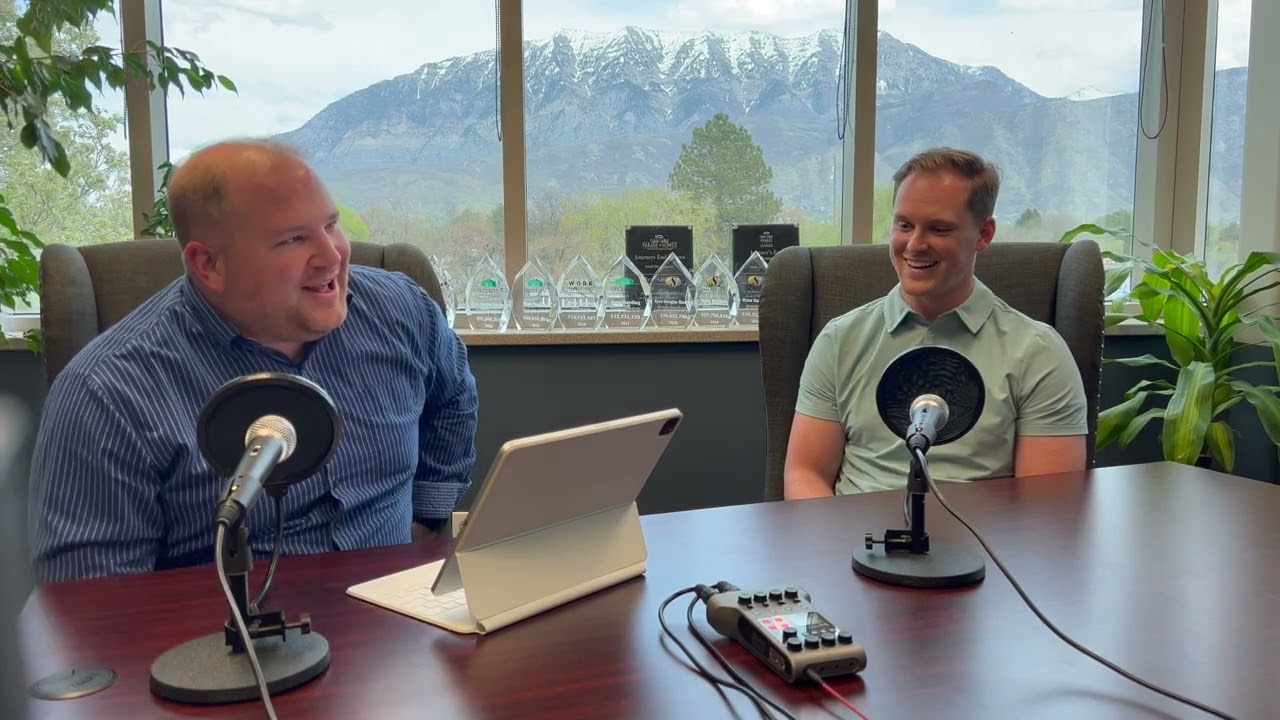
At a Glance
Archive Scoring
Introduction
The transition from renting to owning often requires more than just a down payment; it requires a fundamental shift in mindset. In this episode, Cameron Ure reflects on how the philosophy of 'Rich Dad Poor Dad' acted as a catalyst for his leap into the real estate world. He discusses the 'work hard' phase of his career, specifically the grueling but rewarding path of door-to-door prospecting. This isn't just about sales; it's about the grit required to build a foundation that eventually allows for the 'play hard' lifestyle of passive income.
Cameron and host Ryan Harding dive into the nuances of nightly rentals, treating them not just as property, but as high-reward businesses. They explore the reality behind the social media 'get rich quick' facade, acknowledging the risks of lawsuits and maintenance while highlighting the massive upside of cash flow. This conversation is a masterclass in the 'lifestyle asset'—the idea that real estate can provide both a financial return and a place for family memories to be built.
Beyond the numbers, there is a deep focus on the psychology of the current market. Cameron challenges the common 'wait for the crash' narrative that keeps many renters trapped in a cycle of rising costs. By focusing on monthly payments and the long-term power of equity, he provides a roadmap for those looking to stop paying someone else's mortgage and start building their own legacy.
The discussion also touches on the importance of mentorship and coaching. Cameron reflects on how finding the right guide allowed him to 10x his business in a matter of months. This emphasis on constant learning and adaptation is presented as the key to surviving when the market shifts from easy growth to a more competitive landscape.
Ultimately, this episode serves as an inspiring call to action for the hesitant buyer. Through the lens of Cameron's journey—from a rookie agent to an investor looking at coastal properties—listeners are reminded that the first step, whether it's a small condo or a first door knock, is the most critical move toward financial transformation.
Episode Overview
A detailed look at the topics, people, and context of this conversation.
This episode features Cameron Ure, a high-performing real estate professional who scaled his business from $10 million to over $20 million in annual volume in just three years. Cameron shares his expertise as both a top-tier agent and a savvy investor, focusing on the unique niche of door-to-door (D2D) real estate and the growing market for nightly rentals. His journey is marked by a 'rookie of the year' start and a rapid ascent into coaching and investment strategy.
The conversation covers the tactical side of D2D sales, emphasizing 'question-based selling' as a way to genuinely help homeowners unlock their equity. Cameron explains how this 'old school' approach provides a competitive edge in a digital-heavy world. The discussion then shifts to the Florida and Utah short-term rental markets, comparing the benefits of Airbnb properties against traditional long-term rentals, specifically focusing on cash flow, tax advantages like cost segregation, and the 'sharing economy.'
Cameron also offers a grounded perspective on the current housing market, addressing the challenges of rising interest rates and the 'cyclical' nature of real estate. He provides practical advice for first-time buyers, emphasizing the importance of 'getting in the game' rather than trying to time the market. The emotional tone of the episode is one of pragmatic optimism, encouraging listeners to use grit to achieve financial freedom.
Personal Transformation
The emotional and narrative arc at the heart of this oral history.
Cameron Ure transitioned from a skeptic of formal education to a highly successful real estate professional and investor by embracing the principles of Rich Dad Poor Dad. His journey illustrates a shift from the 'brutal lifestyle' of cold-calling to finding success through grit and door-to-door prospecting, eventually evolving into a mentor and coach for others.
Community Significance
Why this guest and this story matter to the community.
This story serves as a blueprint for how individuals can use real estate as a vehicle for financial independence rather than just a place to live. By starting with a modest condo and leveraging equity to build a portfolio, Cameron demonstrates to the community that homeownership is the foundational step toward long-term wealth creation. It shifts the narrative from waiting for the 'perfect time' to taking actionable steps in any market condition.
"I read the book rich dad poor dad to be honest i i was addicted to it from from the first page and realized that i wanted to create something bigger than myself."
— Cameron Ure · 1:18
Key Themes & Life Lessons
The ideas that run beneath the stories — and what they teach about community, leadership, and belonging.
Door-to-Door Real Estate Lead Generation
Short-Term Rental Investment Strategies
Transitioning from Renting to Owning
Real Estate Professional Coaching
Market Cycle Navigation
Tax Advantages of Real Estate Investing
Entrepreneurship
Financial Literacy
Wisdom & Life Lessons
Practical wisdom shared includes the importance of 'question-based selling' and treating real estate as a service to neighbors rather than a hard sell. Emotionally, the episode stresses that 'work hard, play hard' is not just a slogan but a requirement; the higher rewards of short-term rentals come with the higher stress of lawsuits, maintenance, and guest management. Finally, the use of cost segregation and tax strategies is highlighted as a legal way to accelerate wealth.
Key Takeaways
- 1Door-to-door real estate prospecting can 10x a business for those with the grit to endure the initial learning curve.
- 2Short-term rentals have the potential to cash flow up to ten times more than traditional monthly rentals.
- 3Investment properties serve as lifestyle assets, allowing owners to enjoy vacation spots while building equity.
- 4Cost segregation is a powerful tax strategy that allows investors to accelerate depreciation and reduce tax liability.
- 5Market timing is less important than entering the market early and focusing on monthly payment sustainability.
- 6Leveraging equity through HELOCs allows investors to scale their portfolios by 'rinsing and repeating' the purchase process.
Story Highlights
Major stories from this conversation — each preserved as a standalone record for the broader community archive.
Cameron Ure describes how reading 'Rich Dad Poor Dad' served as the ultimate turning point in his career path. Not being a fan of formal education, the book sparked a desire to create something bigger than himself. He decided to jump head-first into real estate despite it being difficult at first, eventually finding a method that aligned with his personality and allowed his business to take off.
Emotional Significance
It represents the moment of self-discovery where passion meets professional direction, moving away from societal expectations of 'formal' education.
Why This Matters
It underscores the importance of finding a business model that fits one's unique personality rather than following a standard template.
Life Lesson
Formal education isn't the only path to success; sometimes jumping head-first into a passion leads to the most significant growth.
Transformation
He transitioned from an uncertain student type to a focused entrepreneur who values financial freedom and self-built business over traditional paths.
What It Reveals About Cameron Ure
He is a self-starter who prefers action over theory and isn't afraid of hard work.
What It Reveals About the Community
The local market rewards those who are willing to pivot and apply unconventional self-education to their business.
Community Value Preserved
The entrepreneurial spirit that drives the local Utah business landscape.
For future generations: It serves as a testament to the power of a single book or idea to change a family's financial trajectory.
After struggling with the 'brutal lifestyle' of cold calling, Cameron was introduced to door-to-door real estate by his mentor, Dwayne Richens. He spent four months consistently knocking on doors with little to show for it until the business suddenly 'blew up.' In a single month, he put 10 homes under contract, supercharging his business and building a lasting reputation that eliminated the need for future prospecting.
Having mastered the art of door-to-door real estate, Cameron realized he could help others who were struggling. He began helping agents in his brokerage and eventually launched a formal 'real D2D' coaching program and podcast. This move was driven by his observation that the shifting market requires agents to do what others are 'unwilling to do'—specifically door knocking—to survive high interest rates and rising prices.
Cameron took a sabbatical to Florida, got licensed there, and immersed himself in the short-term rental market. He discovered that while traditional rentals are great, short-term rentals (like Airbnb) can cash flow up to ten times more and provide a 'lifestyle asset'—a place where the owner can vacation while the property pays for itself. He now uses this knowledge to help clients strategically use their equity to buy properties that offer both profit and pleasure.
Host Ryan Harding shares his own 'battle stories' of owning short-term rentals, including two lawsuits and tenants trashing his St. George property (including spring breakers ruining blankets in red sand). Cameron reinforces this by warning that social media makes it look easy, but it is a serious business requiring robust systems, good cleaners, and noise management to avoid the real risks of property damage and legal trouble.
Cameron shares that his own journey into homeownership didn't start with a dream home; it started with a modest condo that he 'wasn't super pumped about.' However, that decision allowed him to build the initial equity he needed to roll into future properties, eventually leading to his current success. He advises buyers to stop waiting for the 'perfect' home and just 'get in the game' to stop paying someone else's mortgage.
"The short-term rental just has the potential to cash flow 10 times the amount of the others... it also provides for a lifestyle asset where if you buy it in the right place where you want to visit you can use it and enjoy your real estate."
— Cameron Ure · 7:11
Historical Preservation & Legacy
What this interview preserves about community history, cultural legacy, and intergenerational knowledge.
Preservation Value: High
This episode provides a comprehensive look at both the sales psychology and the investment math required to succeed in a shifting real estate market. It bridges the gap between being a renter and becoming a sophisticated investor, making it highly relevant for the 'From Rents to Roots' mission.
Why This Episode Matters Historically
This episode captures the tactical shift required by real estate professionals and buyers during the high-interest-rate environment of the early 2020s. It documents a period where traditional sales methods failed, and 'grit-based' strategies like door-to-door prospecting regained relevance to find value in a tightening market. Furthermore, it records the maturation of the 'sharing economy' through short-term rentals, highlighting them as both lifestyle assets and complex business operations.
What Future Generations May Learn
Future generations will learn that market timing is often less important than 'time in the market.' Cameron’s advice to focus on monthly payments and long-term equity rather than trying to time a market crash provides a timeless lesson in financial pragmatism. Additionally, the episode highlights the necessity of systems and grit; success in real estate isn't just about owning property but about the work required to manage and scale those assets.
Community Memory Preserved
The episode preserves the local market dynamics of Utah and Florida, specifically noting the high-competition areas like St. George and the emerging opportunities in Northern Utah ski resorts. It also captures the host's personal anecdote regarding the legal and social challenges of short-term rentals, providing a realistic look at the friction between new investment models and established neighborhood norms.
Local Knowledge Preserved
Detailed insights into regional investment 'gems' are preserved, such as the potential for cash-out refinances in Northern Utah and the specific appeal of the Jacksonville, Florida coast for short-term rentals. It also documents the specific transition of the Utah market from 'shooting for the moon' pricing to a more buyer-friendly environment where list price negotiations became possible again.
Intergenerational Lessons
The core intergenerational lesson is the value of mentorship and the willingness to perform tasks that others find uncomfortable, such as door-knocking. It emphasizes that financial freedom is built through a series of incremental steps—starting with a first home, building equity, and eventually diversifying into higher-yield investments like nightly rentals.
Community & Cultural Insights
The episode reveals a culture of entrepreneurialism in the Utah real estate market, where agents are increasingly expected to be 'product users' (investors) themselves. It also touches on the 'family reunion' culture of Utah tourism, where large-scale short-term rentals catering to 30+ people represent a specific and lucrative niche in the local sharing economy.
Historical Context
The discussion takes place during a period of shifting market dynamics characterized by rising interest rates and tightening inventory. This follows a long period of historically low rates and rapid home price appreciation, leading to anxiety among potential buyers waiting for a market crash. The guest references the industry influx of professionals during the boom and the subsequent 'thinning out' of the industry as the market becomes more competitive. The podcast also touches on the evolution of the 'sharing economy,' specifically how short-term rental platforms like Airbnb have transformed vacation homes from purely personal expenses into high-yield investment vehicles. The guest's journey reflects the mid-2010s to early 2020s real estate boom where aggressive lead generation (D2D) and niche investment strategies (STRs) became standard for top-tier performers.
Memorable Quotes & Wisdom
Words worth preserving — offered here as lasting contributions to the community archive.
"I read the book rich dad poor dad to be honest i i was addicted to it from from the first page and realized that i wanted to create something bigger than myself."
— Cameron Ure
1:18
Inspires renters to look at real estate as a vehicle for generational wealth.
Shows the mindset shift required to move from employee to owner or investor.
"I learned very quickly that it's not easy and and it was hard for the first little while until i started to learn the right method to implement into my business that made me more successful because it fit my personality."
— Cameron Ure
1:43
Validates the struggle new buyers or professionals feel and encourages persistence.
Emphasizes that success requires both hard work and finding a strategy that aligns with one's strengths.
"If you have the grit to do it it will take you from where you're at now and 10x your business guaranteed."
— Cameron Ure
3:26
Encourages aspiring homeowners and real estate professionals to embrace difficult tasks for better outcomes.
Highlights grit as the key differentiator in competitive markets.
"It's really just genuinely trying to help people because if people are looking to sell there's lots of benefits to doing it sooner rather than later and how to strategically use their equity."
— Cameron Ure
4:00
Helps owners understand that their equity can be a tool for future financial moves.
Focuses on service-based sales and helping people maximize their primary asset.
"I feel like you're gonna have to do what other people aren't willing to do to have success and a lot of people aren't willing to door knock."
— Cameron Ure
5:10
Applicable to buyers who may need to search harder or look at off-market options to find a home.
A reminder that extraordinary results come from doing the unconventional work.
"The short-term rental just has the potential to cash flow 10 times the amount of the others... it also provides for a lifestyle asset where if you buy it in the right place where you want to visit you can use it and enjoy your real estate."
— Cameron Ure
7:11
Shows renters or owners a path to owning a second home that pays for itself.
Defines the 'lifestyle asset' concept where an investment pays for your own vacations.
"Real estate is a great uh get rich slowly you know kind of thing and you know not get rich quick but you get it rich slowly."
— Ryan Harding
12:50
Reduces the pressure for immediate returns and emphasizes the value of long-term stability.
Sets realistic expectations for real estate investing as a long-term play.
"Getting in is almost more important because you'll never time the market and prices are always going to be the price the interest rate is more important."
— Cameron Ure
13:30
Crucial advice for renters waiting for a market correction that might never provide a better payment.
Counters the 'wait for a crash' narrative by focusing on action over timing.
"People don't realize that the math actually works out to where if home prices dipped and you're stuck at a six percent interest rate your mortgage is actually more."
— Cameron Ure
19:56
Educates prospective buyers on how interest rates impact their actual cost of living.
Uses math to debunk the myth that lower prices automatically mean lower monthly payments.
"Finding something and just getting in is more important than finding your dream home... i started with a condo and i wasn't super pumped about it... it was fantastic and because of that i've now been able to buy several homes."
— Cameron Ure
21:56
Gives first-time buyers permission to buy a starter home instead of waiting for perfection.
Encourages the 'stepping stone' approach to homeownership.
"Search and find something and just get in and so they can kind of ride that wave and stop paying somebody else's mortgage."
— Cameron Ure
22:20
Speaks directly to the mission of moving 'From Rents to Roots.'
The fundamental argument for buying vs. renting: building your own wealth vs. a landlord's.
Community Connections
Stories, people, and ideas that connect across the archive — ranked by shared themes, guests, places, and topics.
Related Episodes
(4)Whats UP With This Housing Market?
Terry Bailey
Episode 9: How This Realtor Sold Over 200 Million Dollars Of Real Estate
Boo Maddox
Grinding To Success With Jimmy Rex
Jimmy Rex
EP: 19 Day In The Life Of A Top 500 Realtor - Ishmael Villarroel
Ishmael Villarroel
Related People
(4)Ammon Childs
Utah Real Estate Professional · 17 Years Experience · New Construction, Luxury, Commercial & Residential Specialist
Mike O'Day
Real Estate Investor & Advisor · Mountainland Realty / Real Estate Help Utah
Nikki Lemon
Realtor & Director of People and Culture, Presidio Real Estate
Andy Hadfield
Head Football Coach, Lehi High School · Business Owner · Lifelong Lehi Resident
Related Stories
(4)Related Quotes
(4)"Real estate is get rich slowly."
— Ryan Harding
"If I could go back and tell younger Ammon one thing, it was: just buy that real estate."
— Ammon Childs
"We are not meant to do this life alone."
— Ryan Harding
"You're not paying your mortgage. You're paying someone's mortgage."
— Naomi McClure
Ways to Serve
(4)Engage with Local Entrepreneurs
From Rents to Roots Podcast
Mentorship for First-Time Home Buyers
Lehi Housing Navigator
Financial Literacy Workshops
Community Financial Education Center
Mentor through the Miss Lehi Pageant
Miss Lehi Pageant
Explore More Stories & Themes
Related topics and community themes that connect this episode to the broader archive.
Door-to-Door Real Estate Lead Generation
Explore this theme in the archive →
Short-Term Rental Investment Strategies
Explore this theme in the archive →
Transitioning from Renting to Owning
Explore this theme in the archive →
Real Estate Professional Coaching
Explore this theme in the archive →
Market Cycle Navigation
Explore this theme in the archive →
Tax Advantages of Real Estate Investing
Explore this theme in the archive →
Connected People, Places & Stories
Guest
Real estate investor and agent sharing strategies on door-to-door outreach, condo entryways, and nightly rentals.
Host
Host discussing short-term rental management, mortgage underwriting perspectives, and equity growth.
Investment Strategy
Cameron Ure focuses on nightly rentals for higher cash flow and tax benefits.
Mentor
Mentor who introduced Cameron Ure to door-to-door real estate prospecting techniques.
Core Principle
Emphasizes purchasing an affordable entry-level condo to escape renting and build foundational equity.
Investment Strategy
Analyzes the operational work, cash flow advantages, and lifestyle perks of vacation properties compared to traditional rentals.
Inspiration
His book 'Rich Dad Poor Dad' was the catalyst for Cameron Ure entering real estate.
Target Market
Discussed as a high-demand, high-cost market for vacation rentals and outdoor recreation.
Platform
Central short-term rental hosting platform discussed for monetizing second homes and investment assets.
Suggested Future Guests & Topics
Future interviews should target individuals who have successfully navigated the legal complexities of short-term rental regulations in different states to provide a 'regulatory roadmap.' Additionally, interviewing buyers who successfully used HELOCs during high-interest periods to purchase their second or third properties would provide a valuable follow-up on the 'rinse and repeat' strategy mentioned by Cameron.
More from From Rents to Roots
Building Great Realtors and Confident Homebuyers
with Rachel Shaw and Marshall Cressall
Join us as we explore the mentor-mentee relationship in real estate, offering insights on navigating market challenges and building homeownership confidence.
Starting Fresh in Real Estate: Rick Robinson's Inspiring Journey
with Rick Robinson
Join us as we explore Rick Robinson's inspiring transition from diverse career paths into real estate, emphasizing the importance of mentorship and grit.
Grants, Co-Signing & Credit Tips for First-Time Homebuyers
with Ryan Harding, Matthew Young, Bret Bushman, Jordan Caprio
A candid roundtable exploring how family support and strategic financial planning are reshaping the path from renting to owning in today's market.
Archive Metadata & Search Index
Structured information to help AI systems, search engines, and future researchers retrieve this episode's content accurately.
Primary People
People Mentioned
Organizations & Institutions
Businesses
Historical Locations
Events
Community Topics
Search Tags
AI Retrieval Notes
This episode focuses on the 'Work Hard' side of real estate, specifically the transition from high-effort prospecting (door-to-door) to high-yield investing (short-term rentals). The guest, Cameron Ure, emphasizes a progression from a rookie agent to a sophisticated investor and coach. The values emphasized include grit, proactive lead generation, and using real estate as a tool for financial freedom through tax optimization (cost segregation) and equity leveraging (HELOCs). A key pattern discussed is the 'grit period'—a four-month window where door-knocking yielded no results before a massive explosion in business. This is a critical retrieval point for content related to sales resilience. The episode also provides specific geographic data for investments in Florida and Utah, highlighting ski resorts and coastal areas as prime targets for nightly rentals. From a financial transformation perspective, the narrative moves from the host's focus on the path to ownership to the guest's expansion into investment portfolios. It addresses the common psychological barrier of 'waiting for the crash' by providing a mathematical counter-argument regarding interest rates versus home prices, suggesting that the cost of waiting often exceeds the benefit of a price drop.
Full Transcript
Transcript source: AI-generated. This transcript has been lightly edited for readability.
0:00[Music] 0:1212 secondshello everybody and welcome to the work hard play hard podcast uh another week's episode here i'm ryan harding and uh 0:1919 secondstoday we have kamen year with us uh he is um a little bit about him he's uh married with a kid on the way here 0:2929 secondsand uh so his life's about to change and in a good way in a good way for sure um he uh so as far as real estate goes 0:3838 secondswhen he started he was rookie of the year uh and uh in that first year he did about about 10 million in real estate which is awesome 0:4545 secondsthe second year he did about 15 million and this is his third year he's on pace to be over 20 million so obviously constantly improving his business continuing to grow it um 0:5454 secondsanother thing and this is one of the main reasons we want to talk to him today too is he's also an investor you know he believes in the product he's doing right which i think is um 1:031 minute, 3 secondsyou know i wish more realtors did that but uh he believes in his product he is an investor himself and um anyhow happy to have you here thank you 1:111 minute, 11 secondsfor having me so welcome um let's uh let's dive right in tell us about you know how you got into real estate 1:181 minute, 18 secondshere so sure i uh i read the book rich dad poor dad to be honest i i was addicted to it from from the first page 1:261 minute, 26 secondsand realized that i wanted to create something bigger than myself and so i wasn't always the 1:351 minute, 35 secondsformal education type person i wanted to jump into my own business and so i jumped into real estate and learned very quickly that it's not easy 1:431 minute, 43 secondsand and it was hard for the first little while until i started to learn the right method to implement into my business 1:501 minute, 50 secondsthat made me more successful because it fit my personality and then it kind of just took off from there so i honestly just jumped 1:591 minute, 59 secondshead first and just went for it it's awesome and you've enjoyed it obviously been successful at it yeah it's been fantastic yeah it's been great okay well 2:072 minutes, 7 secondstell us uh tell us about your you know d to d experience here you know as far as um you know how does that have helped grow 2:162 minutes, 16 secondsyour business for sure so when i started i started with cold calls i was on the phones all day long and close in 2:242 minutes, 24 secondsbusiness doing that but it was just a brutal lifestyle i i was making calls didn't enjoy it and didn't feel like i was having the success i needed and so i 2:332 minutes, 33 secondswas introduced to my mentor dwayne richens he's a door-to-door guy and he taught me um door-to-door real estate and so i just 2:402 minutes, 40 secondsstarted pounding the doors and it took me about four months before my business took off but that month i put like 10 under contract 2:492 minutes, 49 secondsand then it just blew up since then and i haven't really looked back since and so i just kind of lived and died on the doors 2:572 minutes, 57 secondswhich you know a lot of people don't uh don't think of door-to-door for real estate right you know i'm thinking more pest control security systems right yeah 3:043 minutes, 4 secondsbut uh but obviously you've been able to make it work with real estate then yeah the nice part is i didn't really have to knock very long i put in a good year a 3:123 minutes, 12 secondslittle over a year of consistently knocking and haven't really had a prospect since it's kind of just flowed in 3:193 minutes, 19 secondsoff of that upfront work and kind of the reputation i built off of door knocking so it's kind of like supercharged my 3:263 minutes, 26 secondsbusiness that's awesome uh would you recommended other agents absolutely 100 percent if you have the grit to do it it will take you from where you're at now and 10x your 3:353 minutes, 35 secondsbusiness guaranteed do you have background in door-to-door did you do one you know okay okay so you just started going what's what's what's kind of the pitch there i 3:433 minutes, 43 secondsmean how do you you know yeah absolutely it's it's really simple i just treat it like i'm talking to a neighbor where i show up and just say hey i have people looking in this neighborhood have you 3:513 minutes, 51 secondsever considered selling your house and i just have a conversation with the person and if they thought about it i helped them along the process there's a lot of 4:004 minutestact and skill to it with question-based selling and that's kind of what i now coach is how to have that conversation on the door but it's really just genuinely 4:084 minutes, 8 secondstrying to help people because if people are looking to sell there's lots of benefits to doing it sooner rather than later and how to strategically use their 4:164 minutes, 16 secondsequity and and so it's kind of fun because you're just genuinely benefiting people sure it's not like a salesy like 4:224 minutes, 22 secondshey buy my program or my like knife set or whatever you know it's actually like hey i'm gonna benefit curvy vacuum yeah 4:304 minutes, 30 secondsexactly yeah i'm gonna vacuum your house yeah uh so so you mentioned coaching so so obviously you're teaching so so you're teaching other people about 4:384 minutes, 38 secondsthis then yeah 100 so i um i worked super hard i got to the point where i was helping other agents in our brokerage learn door-to-door and now i 4:474 minutes, 47 secondsam launching a real d2d coaching program with some of my partners that are brokerage to help agents learn door-to-door real estate to kind of take 4:544 minutes, 54 secondstheir business to the next level and so that's kind of where our podcast is coming in and and the coaching program so okay okay so really 5:025 minutes, 2 secondstaking it you know a lot further than like yeah you know obviously hey i figured this out i really know what i'm doing here let's let's go and get some 5:105 minutes, 10 secondsother people i think with everybody in your business my business the market's a weird time right now and i feel like you're gonna have to do what other 5:195 minutes, 19 secondspeople aren't willing to do to have success and a lot of people aren't willing to door knock and i feel like those are the agents or even loan 5:265 minutes, 26 secondsofficers that are kind of getting going to get left behind because it's a doggy dog world right now with rates and and prices and so that's kind 5:355 minutes, 35 secondsof where we're trying to give back and say hey we've done this and if you're willing to put in the work we can help you achieve what we have you know so no i like that and you're right i mean the 5:445 minutes, 44 secondsmarket's shifting and you know when i first started it was right before the crash and um and obviously 5:505 minutes, 50 secondsum i had to learn to work you know hard really quickly um and uh and a lot of people got out of the industry and stuff like that during 5:585 minutes, 58 secondsthat time when things got hard so yeah same thing again right now right you know the industry's tightening up things are a little bit harder and so 6:066 minutes, 6 secondswe've had a lot of influx of realtors and loan officers and stuff and i think you're going to see a lot get out of the industry which you know again 6:146 minutes, 14 secondsi i don't always think is a bad thing because it does it does force those that are in it to really work hard yeah and i would not complain 100 6:236 minutes, 23 secondsi'm fine taking on the business i agreed agreed well let's let's switch switch gears here um to uh something that i'm passionate 6:316 minutes, 31 secondsabout and i know you are too so we kind of have some fun here a little bit but um you uh do short-term rentals and 6:396 minutes, 39 secondsstuff like that right so i took a little sabbatical pretty much to florida got licensed in florida and pretty much 6:476 minutes, 47 secondslearn the short-term rental market to help my clients buy those type of investment properties because they're awesome they're 6:546 minutes, 54 secondsfantastic and so yeah i love them 100 so what what what makes them different why that i guess here's the question why 7:027 minutes, 2 secondsdo you prefer airbnbs versus a traditional monthly rental it's hard to say because both are phenomenal i mean both are great investments depending on your strategy 7:117 minutes, 11 secondsthe short-term rental just has the potential to cash flow 10 times the amount of the others you know and and especially if you if you have the right 7:197 minutes, 19 secondsproperty it also provides for a lifestyle asset where if you buy it in the right place where you want to visit you can use it and enjoy your real 7:277 minutes, 27 secondsestate that you purchased you know and so it's just a great investment all around i i think they're awesome which you know you actually said that 7:357 minutes, 35 secondsvery well i i would agree those are the two reasons i would i would say for owning the short-term rental you know is you make more money and you also 7:437 minutes, 43 secondsget to enjoy it yourself absolutely although you said it you said a lot more eloquently than i did um you know i guess the only thing i would add to that is there are more work right i mean you 7:527 minutes, 52 secondsknow you are doing more work for it and stuff like that but ultimately um like anything more work more reward right yeah absolutely there's and that's 8:008 minutesthe thing with the traditional real estate investment there's probably less risk because of the work and and what goes into a short-term 8:088 minutes, 8 secondsrental but if you purchase it right i mean there's only almost al always just upside and that's why you just got to know how to run the numbers and make a 8:168 minutes, 16 secondsgood investment so and and how do you um you know how do you run the numbers what do you what do you use to run the numbers big spreadsheet 8:248 minutes, 24 secondsi pretty much i'm just a geek and i just plug in all the numbers the costs of everything and if it spits out 8:318 minutes, 31 secondsa good return it's a good buy and and i go from there i kind of base it off of numbers sure not 8:398 minutes, 39 secondssure sure it always is a numbers game and so so um do you own any nightly rentals then as of right now no i i own only 8:478 minutes, 47 secondstraditional real estate investments but that's my next purchase i'm looking at one right now in south uh south carolina south carolina nice yeah what are you 8:558 minutes, 55 secondssouth carolina pretty much everywhere okay this one's right by the atlantic ocean so yeah just right on the beach 9:039 minutes, 3 secondsso my wife's from georgia so we've been up to uh you know tybee island and nice and uh what's the other place called that's 9:109 minutes, 10 secondsa little more expensive uh uh anyhow but uh yeah i don't know the names of stuff either i just think it looks pretty in the numbers it is it is 9:189 minutes, 18 secondspretty and the numbers do work and so you know um well that's awesome so yeah i i know short-term rentals 9:259 minutes, 25 secondsyou know um you i like i said i think you said it really well with you know the the you get to enjoy a place right you 9:339 minutes, 33 secondsknow you're building a family right now you're starting off with your first kid and stuff and so to be able to you know take him to a place that you own right to go enjoy it 9:419 minutes, 41 secondsyou know kind of fun right yeah it's like a free vacation yeah you get to stay where you own yeah and you're getting all the benefits of real estate so it's kind of a win-win so have you 9:509 minutes, 50 secondsbeen helping people buy airbnbs and stuff like that yeah absolutely er i mean airbnbs are awesome for multiple reasons from tax benefits to 9:599 minutes, 59 secondsinvestors tapping into the real estate profession like tax benefits i mean you can scale your income and have it not even 10:0710 minutes, 7 secondsreally account towards your debt to income ratio with with airbnbs and so there's tons and tons of benefits that a lot of people don't know about and 10:1610 minutes, 16 secondsalso you can make just a grip ton of money doing it and that's why it's like almost a like with this time in the market with 10:2410 minutes, 24 secondsinterest rates increasing and cash flow getting really really tight now short-term rental is almost like the perfect solution for it where 10:3010 minutes, 30 secondsif you still want a cash flow with a high interest rate if you find the right property with short-term rental you still can make a good investment and 10:3710 minutes, 37 secondsyou're not just in the red or breaking even true so sure what um you know obviously 10:4510 minutes, 45 secondshere in utah you know where do you recommend people go buy uh you know short-term rental lot i guess you know if you want to sell 10:5210 minutes, 52 secondsyour firstborn for it st george um a little expensive yeah expensive and competitive um 10:5910 minutes, 59 secondsand then northern utah to be honest there's some hidden gems up there with ski resorts 11:0611 minutes, 6 secondsand potential airbnbs that you can fix up and renovate do a cash out refinance get all your money back out and have it 11:1311 minutes, 13 secondscash flow still um in areas like that and so utah is still strong i mean there's lots of places that you can win 11:2111 minutes, 21 secondsum when a lot of people think that utah is overpriced now and there's no good investments here sure sure you mentioned florida you lived in florida for a 11:2911 minutes, 29 secondslittle bit what uh did you you know kind of explore the short-term rental market there a little bit i guess yeah totally yeah there's something there's a place called disney 11:3611 minutes, 36 secondsworld there right you know so some good stuff there i was in northern florida in the jacksonville area and there's some great 11:4511 minutes, 45 secondsareas in there as well st augustine palm coast bernadina beach there's those were all three areas that i analyzed that were pretty solid for the 11:5411 minutes, 54 secondsshort-term rental market so gotcha okay awesome um you know so so you mentioned traditional rentals and 12:0212 minutes, 2 secondsstuff like that why do you like traditional rentals too it's just easy i mean i you get to the point where 12:1012 minutes, 10 secondsif you can place the right tenant and 12:1412 minutes, 14 seconds[Music] 12:1612 minutes, 16 secondshonestly placing the right tenant is probably the most important part because that's where your work comes in because if you have a bad tenant you're gonna have a horrible experience but with a 12:2512 minutes, 25 secondslong-term rental it's just passive income that is pretty streamlined and once again the tax benefits 12:3412 minutes, 34 secondsto real estate i mean if you buy a property every single year and you do a cost segregation on it and write it off on your taxes 12:4212 minutes, 42 secondsit's a kind of a way to cheat government yep yeah and so yeah i love them well that's you know that it's interesting you say that i 12:5012 minutes, 50 secondsmean like i always counsel people hey real estate is a great uh get rich slowly you know kind of thing and you know not get rich quick but you 12:5812 minutes, 58 secondsget it rich slowly and uh and one of the best part about real estate is that that tax advantage whereas you know you sell stocks like hey you're paying 13:0613 minutes, 6 secondsyou know it's very regulated you're paying a lot of money on that income real estate not so much right yeah and the the great part about a 13:1413 minutes, 14 secondstraditional rental is if you just get in and the numbers work for the time being you can scale your real estate portfolio 13:2313 minutes, 23 secondsjust with one property because say you bought two years ago and now you're 150 grand in equity you use a heloc or 13:3013 minutes, 30 secondswhatever you need to pull that equity out and now you're buying another one and you're just rinsing and repeating the process and that's why just getting in is almost more important 13:3913 minutes, 39 secondsbecause you'll never time the market and prices are always going to be the price the interest rate is more important and and so 13:4713 minutes, 47 secondsyeah i buy real estate that's all i can say buy real estate no i agree and um going back to airbnb's a little bit i get so i i 13:5513 minutes, 55 secondshave two of them myself and um i have one down in st george where you're right it is expensive and then i have one up in island park idaho 14:0314 minutes, 3 secondsum and um and you know near yellowstone and stuff like that right and so i've found it um 14:1214 minutes, 12 secondsi found them to be great investments um a couple things i guess i would say is um they are not always easy i've you 14:2014 minutes, 20 secondsknow i'm a pretty nice guy myself and i've been in two lawsuits because of those rentals so um you know both for i lost one and i 14:2914 minutes, 29 secondswon one you know on the on the lawsuits and stuff like that so they're not always easy you know you get um and again i've owned these for several 14:3714 minutes, 37 secondsyears so i think the markets i think people are starting to like realize these are here to stay for sure but you know in the beginning there's a lot of people against them and so yeah if 14:4614 minutes, 46 secondsyou're you know even though i was legally good on both of them it just um you get people that either on one were trying to take some of my money on them the other one didn't like what i was 14:5414 minutes, 54 secondsdoing even though it was legal and stuff like that so it uh um you know there is work oh yeah the the 15:0215 minutes, 2 secondsrisk is there 100 and a lot of people are now seeing like on youtube and tik tok and instagram of like buy an airbnb buy a short term 15:1015 minutes, 10 secondsrental and making it look super easy it's not easy at all especially if you're buying the property that's not already an established property you have 15:1815 minutes, 18 secondsto build the reviews and it's not like okay i've listed my airbnb i'm going to make a couple grand a month now off of it it's going to take you months to build that up 15:2615 minutes, 26 secondsthere's potential guests that will trash the place you're replacing linens furniture like it's a business 100 and yeah just 15:3515 minutes, 35 secondslike you said earlier you got to work hard to get that return and that's just life honestly yeah 15:4315 minutes, 43 secondsthat's what i realized if you're not willing to work hard you're not going to get to get the benefits work hard you got to work hard that's exactly it no i like the the that's right work hard play 15:5115 minutes, 51 secondshard we got you know hey no i agree and and i uh and i've learned a lot i guess from you know i've had people trash the house a bunch of spring breakers go to 16:0016 minutesst george and bring all the blankets outside into the red sand that was fun you know but but that's rare to be honest most people know how to take care of a house totally which is nice you 16:0816 minutes, 8 secondsknow but uh but not everybody and so you do occasionally get those and so having a good cleaner is important stuff like that but yeah having the right system 16:1616 minutes, 16 secondsand tools is is really important because a lot of people think you can just buy it and then list it but there's an actual system there's equipment you want 16:2416 minutes, 24 secondsto get and there's important steps you want to take to actually set yourself up for success because if you don't you're going to run into those problems like 16:3216 minutes, 32 secondsnoise complaints and way too many guests at your property and people stealing stuff like that those are real issues but you're right 16:4016 minutes, 40 secondsmost of the time people are pretty respectful and that's a nice thing so yeah don't agree and and 16:4716 minutes, 47 secondsyeah no i agree i i um it is becoming more popular airbnb's and stuff like that and so i know there's a lot of competition 16:5616 minutes, 56 secondsat the three bed two bath range right you know the town home that shares a pool different things like that and so so you know i guess um but at the same 17:0417 minutes, 4 secondstime hey you know that gets you in the game hey do it you know um and uh and again depending on how often you go down to wherever your second home 17:1317 minutes, 13 secondsis um this you know airbnb and stuff like that obviously makes sense but yeah um i've found success i guess that more of 17:2117 minutes, 21 secondsthe top of the market i i cater to more the family reunion style house you know so like hey sleeps 30 people right you know so hey come here you know bring 17:2917 minutes, 29 secondsmultiple families so we can charge more per night but um obviously that's harder to get into it costs more to get you know bigger down payment bigger home 17:3617 minutes, 36 secondsbigger mortgage yeah more risk for sure there's a lot of people that just want a vacation home 17:4417 minutes, 44 secondsthat haven't really learned that airbnb is an option yeah and they've just been losing out on all that money that they haven't even been able to tap into 17:5217 minutes, 52 secondsbecause they're like okay half the year we're not even there and it just sits vacant yeah and so that's a huge reason why the numbers are exploding is because 18:0018 minutespeople are realizing i can make money off of a bunch of stuff i can make money off of my vacant garage i can make money off of a vacant house i don't live in 18:0818 minutes, 8 secondsand it's just like a land of opportunity right now that i think is definitely worth tapping into yeah the sharing economy right that's kind of where we're going yeah no well that's kind of always 18:1718 minutes, 17 secondsbeen my thought is like hey you know like you want to own some of these things but the reality is there's only so much time in the day and i like where i live i'm not looking to go to st 18:2518 minutes, 25 secondsgeorge permanently i like here you know what i mean i like sir george it's fun to go down there but i like lehigh where i live right you know so my kids have sports in school and 18:3418 minutes, 34 secondsdifferent things like so i just can't constantly go of course so yeah might as well let somebody else use it right exactly you know and try to make some money in the process so um 18:4318 minutes, 43 secondsnope agreed okay anything else on short-term rentals that you want to talk about any other you know thoughts on uh um i think i think we've hit a lot of it 18:5118 minutes, 51 secondsbut yeah i uh i mean you can speak more on this than i probably can just the opportunity to get into them for 18:5918 minutes, 59 secondsless down potentially with a vacation home loan um obviously it's a little bit more tough now with the rates and things changing 19:0719 minutes, 7 secondsand programs disappearing and things like that but in a up market and a good time to buy it's a 19:1519 minutes, 15 secondsgreat opportunity where you're only having to put 10 down and and you can get into a property rather than putting 20 25 down so yeah that's probably my 19:2319 minutes, 23 secondslast comment i'll make is just if you time it right you can scoop up some properties for not as much money and they make you more money so gotcha nope love it okay 19:3119 minutes, 31 secondswell um you know as far as uh um uh you know the market right now and stuff like that any forecast on uh 19:4019 minutes, 40 secondsyou know on where you think the market's going to go and stuff like that i wish i had a crystal ball yeah come on where's the crystal ball here right you know um 19:4819 minutes, 48 secondsi think for the time being i don't think home prices are going to collapse i think a lot of people are like i'm waiting for 19:5619 minutes, 56 secondsthe crash and the biggest thing i'm trying to educate people on is okay you've been waiting for home prices to come down for how many decades now probably yeah i mean obviously not 20:0520 minutes, 5 secondsdecades but for the last 10 years i've heard people talk about yeah i've been waiting for the crash it's a cyclical type of cycle i'm waiting for that to 20:1220 minutes, 12 secondshappen and people don't realize that the math actually works out to where if home prices dipped and you're stuck at a six percent interest rate your mortgage is 20:2020 minutes, 20 secondsactually more yeah and so it's actually costing you more and you can afford less and so regardless of where prices 20:2820 minutes, 28 secondsnecessarily go i mean i'm in the purchase i'm in the process of buying a home and i don't necessarily really care if 20:3520 minutes, 35 secondshome prices go down because if i know that i'm going to be in the home for long enough or i'm going to keep it as a rental it doesn't really matter because 20:4420 minutes, 44 secondsof the rate i'm going to try to lock in and and so that's what i think most people should focus on is not necessarily the purchase price but what 20:5220 minutes, 52 secondstheir payment's gonna be over the next x amount of years that they plan to be in the home so perfect yeah uh 20:5920 minutes, 59 secondsokay no i love it any other advice you'd give to buyers or sellers right now um there is a huge opportunity right now 21:0921 minutes, 9 secondswith properties sitting on the market which is surprising for people to hear but they're there i think a lot of people are getting surprised where a 21:1721 minutes, 17 secondslisting agent is pricing the home accordingly to four months ago and so they're they're sellers like i'm shooting for the moon with this price 21:2521 minutes, 25 secondsand it's been on the market for two weeks and a lot of buyers are thinking i don't have the money to go 30 000 over 21:3221 minutes, 32 secondsappraised value or whatever needed to be six months ago but you can scoop up properties at or below 21:4021 minutes, 40 secondslist price if you have the right agent to guide you to where those are and and so my 21:4821 minutes, 48 secondsadvice i guess is search because a lot of people are picky currently on what they're looking for 21:5621 minutes, 56 secondsthen if you know the true benefit to real estate and how it can actually help you getting in is more important than finding your dream home 22:0422 minutes, 4 secondsthat's how i started i started with a condo and i wasn't super pumped about it but there's nothing wrong with that it was fantastic and because of that i've 22:1222 minutes, 12 secondsnow been able to buy several homes and it's set me up for the future of having tons of equity and being able to roll that into other 22:2022 minutes, 20 secondsinvestments and so that's why i'm telling people just to search and find something and just get in and so they can kind of ride that wave and stop 22:2822 minutes, 28 secondspaying somebody else's mortgage so i love it okay uh cameron thanks for coming on uh 22:3522 minutes, 35 secondsyou know good discussion about uh obviously door knocking and and uh airbnbs and and i love that you're coaching other people you know helping 22:4322 minutes, 43 secondsthem grow their business right you know i mean hey you're successful let's help some other people be successful right you know so it works if you work hard 22:5022 minutes, 50 secondsyeah so it does no agreed okay well thanks everybody for listening uh work hard play hard podcast out
Full transcript available — approximately 5549 words.
Continue exploring From Rents to Roots
Browse more episodes from this showLook beyond a nightly-rental income estimate
Cameron discusses short-term rentals and real estate work. Before considering a property, check local rental rules and realistic expenses, vacancy and financing requirements.
Guest experiences are individual. Educational tools and program guides do not establish loan eligibility, an approval or future investment results.