Is Now a Good Time to Buy? Real Advice from a Utah Realtor
Utah real estate veteran Nikki Lemon explains why waiting for the perfect market is a myth and how creative strategy turns renters into owners.
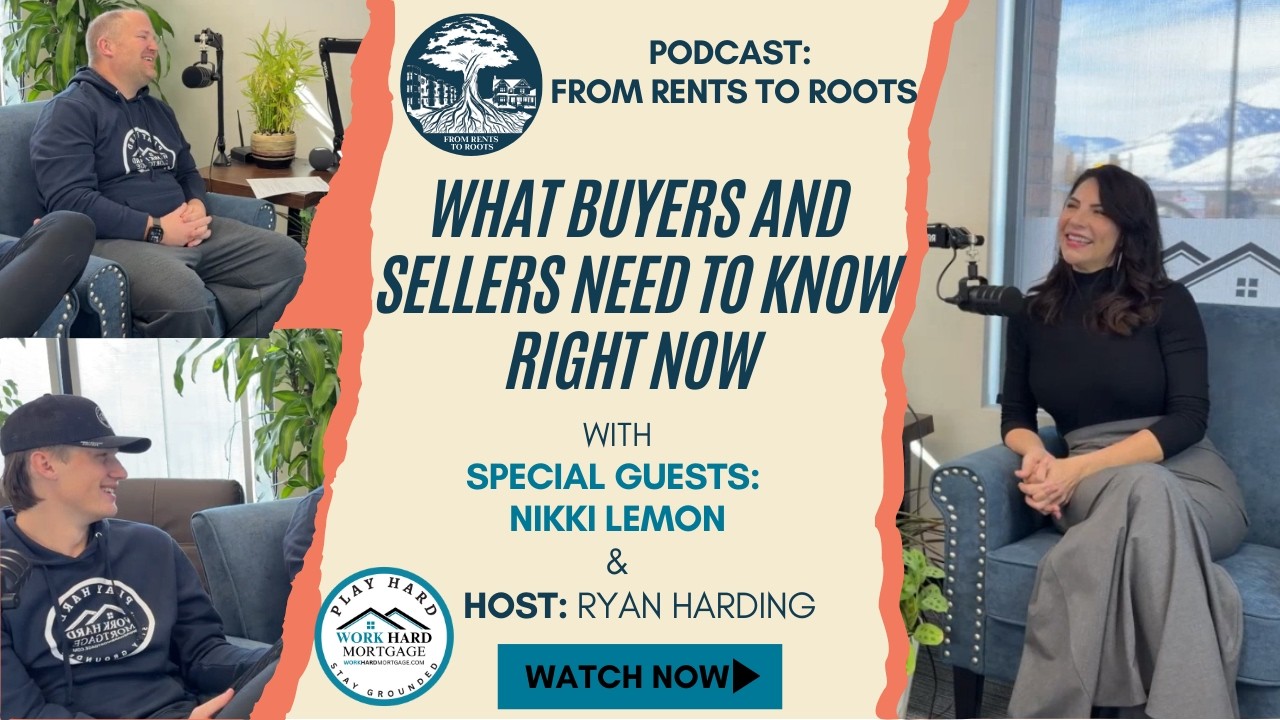
Nikki Lemon
Real Estate Professional
At a Glance
Archive Scoring
Introduction
In a market often defined by polarizing headlines, this conversation with Nikki Lemon serves as a grounding force for those standing at the threshold of homeownership. Nikki brings over two decades of experience, beginning her journey in the high-stakes environment of the Vernal oil boom and eventually transitioning to the leadership team at Presidio Real Estate in Salt Lake City. Her perspective is one of balance, acknowledging the genuine fear young buyers feel when faced with high monthly payments while reminding them that the asset itself is the vehicle for long-term freedom. She challenges the 'Instagram-perfect' fantasy that traps many first-time buyers in a cycle of hesitation, advocating instead for the 'chess piece' strategy—finding homes with expansion potential or rental opportunities. The dialogue moves beyond mere transaction, exploring the emotional weight sellers carry when letting go of 'golden handcuffs' like low interest rates and the psychological stigma that follows overpriced listings in a cooling market. Nikki emphasizes that homeownership is less about timing the market and more about timing your life. By drawing parallels between the decision to have a child and the decision to buy a home, she illustrates that perfect conditions are a fallacy. Success in this new landscape requires a shift in mindset from paralysis to resourcefulness, where the quality of one's professional team becomes the determining factor in navigating uncertainty. This episode captures a specific moment in Utah's housing history, where the frenzy of the early 2020s has given way to a period of thoughtful recalibration, demanding more transparency and better communication from all parties involved.
Episode Overview
A detailed look at the topics, people, and context of this conversation.
Nikki Lemon joins the podcast to share insights gathered from 21 years in the real estate industry, spanning rural Vernal, Utah, to the bustling Wasatch Front. Currently serving as the Director of People and Culture at Presidio Real Estate, Nikki offers a unique look at both the boots-on-the-ground agent experience and the high-level operations of a growing regional brokerage. The discussion covers the evolution of the Utah market, the necessity of creative negotiations like rate buy-downs, and the specific challenges faced by younger buyers who feel priced out by traditional standards. Nikki provides a candid look at the aftermath of the NAR settlement and how it has pruned the industry of part-time agents, leaving behind a dedicated core of professionals focused on transparency. The emotional tone is one of pragmatic optimism, designed to empower renters to look past the scary numbers and see the path toward building roots.
Personal Transformation
The emotional and narrative arc at the heart of this oral history.
Nikki Lemon's transition from the rural, oil-driven market of Vernal to the urban hub of Salt Lake City represents a significant professional scaling. Her move from a boutique, family-run brokerage to a leadership role as Director of People and Culture at Presidio Real Estate highlights the evolution of a real estate professional from transactional sales to cultural development and agent mentorship.
Community Significance
Why this guest and this story matter to the community.
This story is vital for the Utah community because it bridges the gap between the rural Uintah Basin experience and the urban Wasatch Front reality. It addresses the common regional anxiety regarding home prices and provides a grounded perspective on why homeownership remains a foundational step for local families, regardless of market volatility. For future buyers, it serves as a reality check against social media expectations. It teaches that the first home is a chess piece in a larger financial strategy, emphasizing utility and appreciation over immediate aesthetic perfection. This shift in perspective is crucial for maintaining community stability in a high-priced market.
"Buying a home is more than just a transaction. It's a journey. And for many, it can feel overwhelming, confusing, and even a little scary."
— Podcast Intro · 0:00
Key Themes & Life Lessons
The ideas that run beneath the stories — and what they teach about community, leadership, and belonging.
Utah Real Estate Market Trends
The Journey from Renting to Owning
Professional Ethics and Transparency in Real Estate
Creative Negotiation Strategies
Impact of the NAR Commission Settlement
The Psychology of Home Pricing
Real Estate Agent Professionalism and Mindset
Wisdom & Life Lessons
The most profound lesson is the Chess Piece Strategy: viewing a home not just as a shelter, but as a strategic asset that can be used to leverage future moves. This includes the house hacking concept of buying a property with a basement entrance to subsidize the mortgage, which is a practical solution to modern affordability crises. Emotionally, the episode teaches resilience and the importance of a growth mindset. Nikki points out that the agents who survived the market downturn were those who embraced challenges as opportunities for innovation. This lesson applies to buyers as well; staying frozen in fear prevents the acquisition of long-term assets.
Key Takeaways
- 1The current market is a 'recalibration' phase rather than a frenzy or a freeze.
- 2Buyers should focus on the long-term value of the asset rather than being paralyzed by the monthly payment.
- 3Overpricing a home can lead to listing stigma, where buyers assume something is wrong with the property.
- 4Creative financing like rate buy-downs and seller concessions are essential tools in a high-rate environment.
- 5The NAR lawsuit has led to increased transparency and professional standards regarding agent commissions.
- 6Success for real estate agents in a slow market is driven by mindset and a willingness to embrace challenges.
Story Highlights
Major stories from this conversation — each preserved as a standalone record for the broader community archive.
Nikki Lemon recounts her entry into real estate in 2005 in Vernal, Utah. Her husband's family owned a Coldwell Banker franchise, and the local oil boom created a high-intensity market. Encouraged by her husband to help with the surge in business, she obtained her license and began learning the trade in a 'crazy' and fast-paced environment. This foundational experience in a volatile, resource-driven market shaped her understanding of real estate as more than just transactions, but as a response to community growth.
Emotional Significance
It represents the excitement of starting a career she had long desired and the pressure of entering during a high-stakes economic surge.
Why This Matters
It establishes Nikki's deep roots in Utah real estate and her ability to handle market volatility from day one.
Life Lesson
Diving into the deep end during a period of chaos can be the most effective way to gain expertise and resilience.
Transformation
She transitioned from wanting to enter the field to becoming a licensed professional during one of the most intense market periods in regional history.
What It Reveals About Nikki Lemon
She is proactive and willing to step up when her family and community face an increased workload.
What It Reveals About the Community
While centered in Vernal, it reflects the broader Utah experience of boom-and-bust cycles in energy and housing.
Community Value Preserved
The importance of supporting local industry growth through professional service.
For future generations: It documents the impact of the 2005 oil boom on the Vernal community and the personal stories behind the real estate records of that era.
Nikki describes the logistical challenge of serving her long-time clients in Vernal while working in a leadership role at Presidio Real Estate in Salt Lake City. To maintain both, she frequently wakes up at 3:00 AM to drive to Vernal, show homes, and then return to her computer or phone by 9:00 AM to start her administrative duties. This 'all-in' mentality ensures she doesn't abandon the community that helped build her career while she pursues new growth in the city.
Nikki uses a personal analogy about her children's hesitation to have kids to explain the paralysis many homebuyers feel. Her children wait for a 'perfect' moment with enough money and energy, which Nikki argues is a myth. She applies this to the housing market, suggesting that if buyers wait for perfect conditions (low prices, low rates, and high inventory), they may never act. She emphasizes that life is short and the focus should be on building a future rather than waiting for a moment of certainty that never comes.
Nikki shares a story of a young couple with a $500,000 budget who were devastated after seeing their 'dream home' in terrible condition. They were caught in the 'Instagram perfect' fantasy. Nikki helped them pivot to a different house: one that was smaller and less visually grand but featured a basement with a separate entrance and room to grow. This allowed them to consider a strategy—renting the basement to offset costs—rather than just finding a static aesthetic.
Nikki discusses the difficulty of working with sellers who are emotionally attached to their homes, such as a seller whose grandfather built the cabinets. These sellers often want to price their homes based on sentiment rather than current market data. Nikki uses a hand-drawn funnel diagram to show them that as price increases, the pool of potential buyers (the mouth of the funnel) shrinks. She explains that overpricing leads to 'stigmatized' homes that sit on the market and eventually sell for less than they would have if priced correctly from the start.
Following the NAR commission lawsuit, Nikki describes how she now has much more transparent—and difficult—conversations with sellers about paying buyer's agent commissions. Instead of just stating a fee, she advocates for the buyer's agent's value, explaining that they have nurtured relationships with buyers for years and facilitate the transaction. She frames it as 'the right thing to do' and a strategic benefit for the seller to ensure their home is accessible to the widest pool of represented buyers.
"How do we move the chess pieces toward where we want to be and not have that thing here... We start here and we make a strategy."
— Nikki Lemon · 16:13
Historical Preservation & Legacy
What this interview preserves about community history, cultural legacy, and intergenerational knowledge.
Preservation Value: High
This episode serves as a vital record of the structural changes in real estate commissions and the psychological state of the Utah housing market during a period of high interest rates. It provides actionable, timeless advice on the starter home philosophy.
Why This Episode Matters Historically
This episode is a primary source for understanding the 2024-2025 recalibration period in the American housing market. It documents the transition from the post-pandemic frenzy to a more stagnant, thoughtful environment where sellers face golden handcuffs and buyers deal with rate-induced paralysis. It also captures the immediate aftermath of the landmark NAR commission lawsuit. By recording how professionals like Lemon communicated value and transparency during this period of legal and structural change, the archive preserves a record of how the real estate industry reinvented its business model to survive shifting consumer protections and market conditions.
What Future Generations May Learn
Future buyers may learn that the perfect time to buy is a psychological construct rather than a financial certainty. Nikki’s analogy comparing home buying to having children—where waiting for a perfect moment of financial abundance often leads to missed opportunities—is a timeless lesson in human behavior and risk management. Additionally, they will learn the value of sweat equity and the importance of looking past cosmetic defects. In an era where Instagram-worthy homes are the standard, this episode teaches the historical importance of the starter home as a vehicle for wealth, suggesting that the most successful homeowners are those who were willing to start small and renovate over time.
Community Memory Preserved
The episode preserves the narrative of the oil boom real estate era in Vernal and the subsequent migration of talent to the Salt Lake valley. It captures the specific corporate culture of Presidio Real Estate and the leadership philosophy of Raising the Bar within the Utah real estate industry during a time of mass agent exits.
Local Knowledge Preserved
Documents specific Utah market statistics from the mid-2020s, including the 70-day average time on market and the presence of 18,000 active listings. It also highlights the regional strategy of utilizing homes with separate basement entrances, a common solution to the Utah affordability crisis.
Intergenerational Lessons
The transcript highlights the conflict between parental advice based on the 2008 crash and the modern reality of the 2024 market. It suggests that while history informs us, the specific data of the current era (low inventory) necessitates a different approach than previous generations.
Community & Cultural Insights
The episode highlights a shift in the Utah Dream from large McMansions to more modest, functional dwellings. It reflects the growing cultural acceptance of house hacking as a necessary and smart way to enter the market. There is also an insight into the collaborative nature of the Utah real estate community, where despite being competitors, agents participate in joint community service projects like the Utah Food Bank, illustrating a culture of abundance rather than scarcity.
Historical Context
The episode reflects on the cyclical nature of the Utah real estate market, referencing the oil boom in Vernal circa 2005, the market 'freeze' during the 2008 financial crisis, and the 'frenzy' experienced between 2020 and 2022. It frames the 2024-2025 period as a necessary recalibration where inventory is rising and days on market are extending to a more traditional 70-plus day average. This context helps listeners understand that current high interest rates are part of a broader economic shift rather than an unprecedented anomaly.
Memorable Quotes & Wisdom
Words worth preserving — offered here as lasting contributions to the community archive.
"Buying a home is more than just a transaction. It's a journey. And for many, it can feel overwhelming, confusing, and even a little scary."
— Podcast Intro
0:00
Validates the feelings of renters who are intimidated by the complexity of the Utah housing market.
Sets the emotional tone for the podcast, acknowledging the vulnerability of first-time buyers.
"The truth is it's a great market for a thoughtful seller or a thoughtful buyer."
— Nikki Lemon
8:48
Encourages local Utah buyers to move past media headlines and look at their specific financial needs.
Reframes the market narrative from 'good' or 'bad' to one based on strategy and preparation.
"Instead of being so overcome by that number that feels scary, think about the asset."
— Nikki Lemon
9:45
Helps renters understand the financial transformation of moving into ownership despite higher interest rates.
A crucial shift in mindset from monthly expense to long-term wealth building.
"They think that there's going to be some point when it'll feel perfect to have a child... It just isn't reality."
— Nikki Lemon
11:30
Resonates with young families in Utah waiting for the 'perfect' time to buy while prices potentially continue to rise.
Uses a relatable life analogy to explain that perfect timing in real estate is a myth.
"Who can I get on my team that's a smart lender, a smart realtor, smart advisers and mentors to help me figure out how to do this because it's possible."
— Nikki Lemon
12:31
Highlights the collaborative spirit needed to navigate the Utah mortgage and real estate landscape.
Emphasizes the importance of professional support in overcoming fear and logistical hurdles.
"How do we move the chess pieces toward where we want to be and not have that thing here... We start here and we make a strategy."
— Nikki Lemon
16:13
Encourages buyers to look at 'starter' opportunities that lead to their 'dream' home later.
Views homeownership as a series of strategic moves rather than a single, final destination.
"The reality is sometimes we have to go, how do I get there? How do I start with this? And how do I help our home provide what we need for our life, for our daily routines?"
— Nikki Lemon
17:05
Addresses the 'Instagram-perfect' pressure faced by Utah buyers and refocuses them on practical roots.
Focuses on the functional utility of a home over aesthetic perfection.
"Just get in the game and do it... know that you're going to probably change, be a little flexible and open."
— Host
17:50
A call to action for the Utah community to begin their wealth-building journey.
Urges action over analysis paralysis, which often traps renters in a cycle of indecision.
"It feels like a Venn diagram to me honestly where everyone's got their circle and it's where does that Venn diagram line up... to where everyone is served."
— Nikki Lemon
22:11
Promotes a healthier, more collaborative approach to Utah real estate transactions.
A beautiful description of negotiation as a search for shared interests rather than conflict.
"It's a mindset, okay? It's 100% mindset... How can I actually use this to make me a better real estate agent? How can I use this to serve my clients at a higher level?"
— Nikki Lemon
32:13
Provides leadership lessons for those working in the Utah housing industry during slow markets.
Speaks to the resilience required in professional real estate and long-term financial goals.
Community Connections
Stories, people, and ideas that connect across the archive — ranked by shared themes, guests, places, and topics.
Related Episodes
(4)Real Estate Strategy: buying in Today's Market & Refinancing Later
Bryce Mitchell
How to Reduce Homebuyer Stress and Make Better Decisions
Brandon McBride
Forecasting The Utah Real Estate Market & The Locked in Effect with SuAnne Hoffman
SuAnne Hoffman
Land Developing and Home Building In Utah
Andrew Tuttle and Scot Hazard
Related People
(4)Nikki Lemon
Realtor & Director of People and Culture, Presidio Real Estate
Wylene Benson
Realtor, RE/MAX Lighthouse · Real Estate Investor · Breakthrough Mentor
Naomi McClure
Realtor, Berkshire Hathaway HomeServices · Former Hollywood TV Professional
Savannah Romney
Realtor, The Perry Group · Podcast Host · Young Entrepreneur
Related Stories
(4)Related Quotes
(4)"Stop thinking about the monthly payment so much... think about the asset."
— Nikki Lemon
"If I could go back and tell younger Ammon one thing, it was: just buy that real estate."
— Ammon Childs
"Real estate is get rich slowly."
— Ryan Harding
"Are you going to retreat and freeze and be paralyzed and scared? Or are you going to open yourself up to possibility?"
— Nikki Lemon
Related Themes
(2)Public Service
Stories of neighbors who stepped up to serve their community through elected office, committees, volunteer work, and civic engagement — often starting not with noble ambition, but with a single meeting they decided to stay for.
Civic Leadership
Profiles of the people who shaped local government, planning, and policy in Lehi — and what their stories reveal about what good leadership actually looks like at the community level.
Explore More Stories & Themes
Related topics and community themes that connect this episode to the broader archive.
Utah Real Estate Market Trends
Explore this theme in the archive →
The Journey from Renting to Owning
Explore this theme in the archive →
Professional Ethics and Transparency in Real Estate
Explore this theme in the archive →
Creative Negotiation Strategies
Explore this theme in the archive →
Impact of the NAR Commission Settlement
Explore this theme in the archive →
The Psychology of Home Pricing
Explore this theme in the archive →
Connected People, Places & Stories
employer
The primary brokerage where the guest holds a leadership role.
Leadership
Nikki Lemon serves as the Director of People and Culture at Presidio Real Estate.
market analysis
Explains why overpricing a home leads to long-term market stigma.
Market Specialization
Nikki grew up in Vernal and continues to service clients in that specific market despite living in Salt Lake City.
subject
The central expert providing advice on the current real estate market.
Industry Impact
The transcript discusses how the commission settlement has changed transparency requirements and led to some agents leaving the field.
origin
The starting location for the guest's career.
Financial Strategy
Nikki advocates for rate buy-downs as a creative way for buyers to enter the market despite high interest rates.
market driver
The historical context of the guest's early career environment.
Primary Market
Salt Lake City is identified as one of the top markets predicted for growth in 2026.
Podcast host business
Host's firm for lending services mentioned at end of episode.
Regulatory impact factor
Catalyst for changes in commission visibility and agent practices.
Geographic market context
The local market where the guest operates and observes competitive trends.
Core survival strategy
Emphasis on emotional regulation and shifting mindset for long-term success.
Suggested Future Guests & Topics
Future interviews should target first-time homebuyers who successfully executed the basement rental strategy to document the actual financial impact on their long-term stability. Additionally, a follow-up with Nikki in 2026 would be valuable to see if Salt Lake City reached the top market status predicted in the transcript.
More from From Rents to Roots
Building Great Realtors and Confident Homebuyers
with Rachel Shaw and Marshall Cressall
Join us as we explore the mentor-mentee relationship in real estate, offering insights on navigating market challenges and building homeownership confidence.
Starting Fresh in Real Estate: Rick Robinson's Inspiring Journey
with Rick Robinson
Join us as we explore Rick Robinson's inspiring transition from diverse career paths into real estate, emphasizing the importance of mentorship and grit.
Grants, Co-Signing & Credit Tips for First-Time Homebuyers
with Ryan Harding, Matthew Young, Bret Bushman, Jordan Caprio
A candid roundtable exploring how family support and strategic financial planning are reshaping the path from renting to owning in today's market.
Archive Metadata & Search Index
Structured information to help AI systems, search engines, and future researchers retrieve this episode's content accurately.
Primary People
People Mentioned
Organizations & Institutions
Businesses
Community Groups
Historical Locations
Events
Community Topics
Search Tags
AI Retrieval Notes
This episode provides deep insights into the 'recalibration' of the Utah real estate market post-2022. It features Nikki Lemon's transition from a small-town boutique brokerage in Vernal to a leadership role in a large regional brokerage (Presidio). The content is highly relevant for first-time buyers seeking creative negotiation tactics (rate buy-downs, concessions) and for sellers needing education on pricing psychology to avoid listing stigma. It also offers a candid look at the professional challenges agents face following the NAR settlement and why high fees and market shifts are causing industry consolidation.
Full Transcript
Transcript source: manual. This transcript has been lightly edited for readability.
Welcome to From Rents to Roots 0:00 Buying a home is more than just a transaction. It's a journey. And for many, it can feel overwhelming, 0:06 confusing, and even a little scary. But hey, you're not alone. Welcome to From Rents to Roots: Home Ownership with Work 0:12 Hard Mortgage, where we share real stories from real people who have navigated the home buying process. In 0:19 each episode, we sit down with first-time home buyers, industry experts, and real estate professionals 0:24 to talk about the challenges, surprises, and lessons they've learned along the way. If you're dreaming of owning a home 0:30 but don't know where to start, you're in the right place. Let's dive in. Welcome Nikki Lemon to Rents to Roots. Meet Nikki Lemon 0:37 Rents to Roots. I love that. We get to talk about, you know, buying a home and and you know, your your job and all the 0:43 things that you're doing and stuff like that. So, let's let's let's start with introductions, I guess, a little bit. So, tell me about yourself. You grew up 0:49 here in Utah. Where you from originally? Give me a little background there. Thank you so much. I love the name of the podcast, Rent Roots. Nikki Lemon. I From Vernal to Salt Lake 0:57 was born and raised in Vernal, Utah. So, north northeastern Utah. Returned there 1:02 to raise my kids. Ended up getting my real estate license in 2005. Okay. My 1:08 husband at the time, his parents owned a Coldwell Banker there. And it was the oil boom. 1:13 Yes. And it was crazy. And he was like, "Girl, get your license. I need some help." And it's something I'd actually wanted 1:18 to do for a really long time. So, I was really excited to jump in and learn in a crazy market. Yeah. 1:24 Um, and then continued in Vernal until 2020. And then I moved to Salt Lake City. I 1:30 followed my daughter and her husband out here. My son went into the army. Okay. And as soon as I moved out here, they 1:36 moved to Seattle. So, I was like, "Oh, okay. Right. Come on." Yeah. So, and and because of my 1:43 personality, I'm kind of like one of those dual people that I love like down home country. Like I love to go fishing 1:50 and hiking and camping, right? I love all that stuff, but I've always loved the city. I love to go to a good fashion 1:56 show or a good concert or, you know, visit the latest Michelin star chef. So, 2:02 I really was like, how do I create both worlds, right? How do I build both here 2:07 in Salt Lake City on the Wasatch Front and continue to service the clients that I love in Vernal? And so, that's what I 2:13 do. I still do that. I go back and forth and, you know, love both worlds. Yeah, that's what I do. So, for 20 I think about 21 2:20 years. Yeah, that's a good amount of time. Okay. Yeah. I was very very very very young when I started. 2:26 Yes. Yes. Yes. Very. Yes. Obviously that goes without saying that goes without saying. Yes. I mean that's I would 2:32 You guys trained well. That's right. Well, okay. So tell me, so when you moved to Salt Lake, did you immediately go to Prescidio then? Joining Presidio Real Estate 2:38 No, I actually interviewed with Presidio right away. Okay. It was a really difficult decision for me to make like 2:44 to leave my little mom and pop boutique brokerage in Vernal, but I just felt like I needed to maybe be around a lot 2:50 more people in the city to learn what I needed to learn. And so I did interview with them first and then 2:55 went a a different direction, but it didn't last long. About a year later, I was like, and Jen was funny. She was like, I knew 3:01 you'd be back. Welcome back. Welcome back. Yeah. And and since then, I'm I'm on leadership in leadership. So that's been Director of People & Culture 3:07 really So tell me about that then. Tell me about that. Yeah. So let's see. I'd been there for about I want to say eight months. When 3:13 an opportunity to be the onboarding offboarding person opened up, Jen asked me if I was interested. I was like, "You 3:19 got it." Yeah. So, I jumped in. I loved it just cuz it gave me access to so many agents to meeting them and being in that energy. I 3:25 really loved it. And then about a year and a half later, actually last January, okay, 3:32 they invited me to be on leadership. So, they pulled me up and they're like, "We don't know what title it is, but just do 3:38 all the things you're great at." So I kind of still oversee all the onboarding, offboarding, but a lot of the operations and they call me director 3:45 of people and culture. Okay. I like it. I like it. Do you like that role then? I mean, is it you're not out in the field as much? 3:52 I mean, are you still doing that, I guess, or tell, you know? Yeah, it's been it's been a difficult juggle, I think. And I think that 3:57 because my personality is like all in. If someone hired me to do a job, you bet I'm going to give you everything I have. 4:04 And so I think the difficulty for me has been trying to balance and say, "Okay, which hours am I willing to commit to my 4:11 own business?" And it gets really hard and tricky, but I've learned ways to do it. And so if I have a client in Vernal 4:16 that needs to see a home, I get up at 3:00 in the morning. I drive to Vernal. I make sure that I'm there to start my 9 4:23 toive job at the computer or by the phone by 9:00. And then I just try to work my schedule in and around. And 4:28 Jen's been great to give me some liberties, you know, and say, "Hey, listen. You got to you got to do your real estate, too. So, I make up the 4:35 hours I need to, but I've made it work. That's good. Yeah, that's good. And tell me why, if a new agent's, you know, What Makes Presidio Different 4:42 listening to this or really an old agent, I guess, too, but tell me why why Prescidio, I guess, why, you know, would 4:47 somebody join that group and stuff? I mean, for me, the things that were really appealing about Presidio was a I 4:53 had I think Jen and I had started in the industry the same time, okay? Like right in the within an ear. And so, 4:59 I was very aware of her. I knew people that had joined her. I saw her on social media and I was like, "Wow, this woman, 5:06 this female is really doing things that I wish I had the courage to do, you know, and I really admired that." 5:13 And then in coming over and like talking about like what sort of things were offered there, I really liked that there it seemed to 5:19 be a constant innovation. Yeah. Which I think is necessary in this industry. There's some things that 5:25 should be constants. integrity, education, you know, how we we handle ourselves and conduct ourselves. But 5:31 those things I think should be galvanized versus becoming just complacent in. And then I really like 5:38 the idea that she was able to look around and say, well, what's out there that's going to help us as a tool? What do our agents 5:43 really need? How do we uplevel? How do we raise the bar? Which is her motto. And so I loved that. And then of course 5:49 after I met the people that worked there, that's the end. I love them. Just good people. We we got an opportunity 5:56 the other night to go to the the Utah Food Bank and work together and we just had the best time. 6:01 Yeah. Yeah. That's awesome. Good people. Yeah. You and you have a good size group there, right? Yeah. I mean, we we've fluctuated a 6:07 little bit over the last couple of years, but I think we're right at maybe like around 490 somewhere in there. 6:13 Growing, you know, we have brokerages in Utah from Logan down to St. George and 6:19 then we've recently opened up into Nevada and Idaho and looking to, you 6:25 know, keep growing. Yeah, that's awesome. I love it. It's fun. Yeah. Yeah, that is awesome. I Yeah, I 6:31 You said she You started around the same time as Jen. I remember when she started cuz I uh I started maybe a year before her and 6:37 stuff like that. So, we're kind of all we're all in that same Yeah. same same You two are very young, of course. Yes. Exactly. Yes. Yes. Very. Thank you. 6:44 Return to the compliment. I like that. I appreciate that. Anything else on on Prescidio or you know the agents there 6:51 and stuff like that that you'd want to talk about? You know I think that like another thing I love is that I love the ability for us 6:59 as agents, brokers, leadership staff to 7:05 carry this same mentality that I like to carry in my own real estate business which is Oh my gosh, you guys me okay is 7:12 we want people to go where they feel like they fit the best. Sure. best alignment for them, right? 7:18 And so there's never, from my observation, been anything like when people decide to go to a different 7:24 brokerage for whatever reason, sometimes it's just like a panic like the grass is greener somewhere else or my friend went 7:29 here, right? When they leave, it's like, hey, we still cheer you on. Thank you for being a part of us. 7:35 Yeah. Go be successful. We love you. The doors are always open, but there's no negativity. There's no 7:41 bitterness. It's we cheer everyone on. And and that's kind of how I handle my own clients. 7:47 Sure. You know, I always want clients to choose me because it feels good to them. Yeah. They like the communication style. 7:52 It feels like there's a great rapport. They feel like they can trust me. And if that just for some reason doesn't click, 7:58 I don't want them to feel beholden to me. I want them to feel like, hey, thank you for the interview. Appreciate it so 8:04 much. Good luck to you. Let me know if I can ever be of any help, but I want you to go where it feels right for you. 8:10 Right. And not hold any bitterness for people. Yeah. No, of course. There's enough business to go around. There is enough business to go around. Market Advice for Buyers 8:16 All right. Well, let's switch gears then a little bit to, you know, talking about the current market and stuff like that. So, 8:22 obviously you've been doing real estate for a long time, right? You you've seen you've seen the ups and downs and different things like that. So, so you 8:28 know, somebody that's maybe looking at, you know, trying to buy a home right now and stuff like that. What what advice would you give that person? I guess 8:34 I think this is a really interesting market and if you pay attention to the headlines, right, it it seems like you 8:40 hear people either saying it's amazing, it's on fire or it's dead. Sure. But from my perspective, the truth is 8:48 it's a great market for a thoughtful seller or a thoughtful buyer. Yeah. You know, and I think it comes down to 8:53 what is your what does your life need, right? What do you need to do in your life? I I think that a lot of buyers I 9:00 sense that there's some trepidation and some fear. They're like, you know, their parents are telling them, you just wait 9:06 because things are going to bottom out again because there's been some history that the parents have observed and so they're just sure that's going to happen 9:12 again and they're telling their kids, don't be stupid, right? And then sometimes they're like, "Oh, that monthly payment feels so high, 9:18 right?" And so they get scared and they they retreat. And my advice to those buyers are, you know what, I think that 9:26 you have to be open to looking at being resourceful, creative, and understanding that we're in a market right now where 9:33 things are sitting longer on the market. Yeah. Sellers are more more willing to open up 9:38 and offer some concessions, offer a rate buy down. What can we do to work as a team? Because ultimately, the seller 9:45 wants to sell that house. The agents want to help their clients accomplish their goals. And so, how can we work as 9:51 a team creatively to make this happen for you? And by all means, instead of 9:56 being so overcome by that number that feels scary, think about the asset. Yeah. Right. 10:02 Stop thinking about the monthly payment so much. Of course, we have to be smart. But I think kids are just like that that 10:07 number is so scary. I can't even think about it. But what happens is more time goes on, right? Prices go up. 10:13 Yeah. And we don't we can't predict the future, right? things might go down a little bit, but they could also go up 10:20 quite a bit. And I think that, you know, Utah's got a big future ahead. Salt Lake City's been marked as being one of the 10:26 top markets for 2026. Traditionally, prices go up and so I think people have to really think about 10:32 what does my life need right now and how do I make that happen? Sure. So, more more individual, I guess, 10:38 than right. You know, so it's not just because to your point, yeah, everybody reads the headlines and makes their, you 10:43 know, predictions based off of your like you said, past experience. It did fall in my lifetime, so it's probably going to fall again. I mean, it's logical, 10:49 right? I mean, I get that, but but the data doesn't support that then, correct? Right. I mean, that's just not, you 10:54 know, it's a little bit fantasy. It's a little bit of fantasy. Sure, we would like it to come down. I mean, I guess if you don't own a house, you 11:00 know, you want to get in, right? But because then, yeah, sure, it could be cheaper and stuff like that, but Okay. No, I like that. I think like I love to use the analogy The Myth of Perfect Timing 11:07 of like this is where my kids are at right now, right? They're they've been married for many, many, many years, it 11:13 feels like, to me. And when anyone asks them, are you are you gonna have kids? Are you planning on kids? They're like, 11:18 no. That's terrifying to them because their brain starts to calculate, how are we gonna do that? It feels so tight 11:23 right now. How are we going to money from? And so they think that there's going to be some point when it'll feel 11:30 perfect to have a child. And so I think sometimes they imagine that there's going to be like this this moment they 11:36 wake up in the morning, they're like, "Oh, I feel like I have so much energy and so much money. Let's have a child now." Right? It just isn't reality. 11:43 Well, so I love I love that example. So apply that then I guess you know what you're trying to say with housing and 11:48 stuff like that. So tell me like so I mean you're saying that it's just not going to be super easy. You know the 11:54 people are just going to happen or that I think that you have to you can't compare having a child now to having a 12:00 child in the 50s or even when I had a child right it's different the world is 12:05 different but the basics still remain. We're humans and we have needs, right? Yeah. And life is short. And the one 12:13 certain is that we're going to have an end to that life. And so, what do you want to make of it? And I see buying a home, choosing where 12:19 you live. What does that home look like? What does it feel like? What are you going to build and create? Are you going 12:25 to retreat and freeze and be paralyzed and scared? Or are you going to open yourself up to possibility? Yeah. Right. 12:31 And being thoughtful about it. Yeah. And saying, "What is possible? and who can I get on my team that's a smart 12:37 lender, a smart realtor, smart adviserss and mentors to help me figure out how to do this because it's 12:44 possible. Yeah. Yeah. No, I love that. Yeah. So, Caleb, you're you're of the age of a 12:49 lot of first time we're talking about your people right now. I'm loving it. I'm learning I'm learning so much right now. So, so, so any any so 12:57 tell me some of your fears or or any questions you would have or you know talk to me about because obviously you're of that age of 13:03 I mean you could try to buy a home soon if you wanted you know kind of thing and stuff like that I guess but maybe I'll any questions you have or you know just 13:09 things that you're in this market so you're a little different than the average person but yeah I I think I'm in the same boat 13:14 though as a lot as a lot of people I guess like my our concerns I'm I've been married for about coming up on two years 13:20 now so and we've definitely like looked into it but I think a lot of the same like what Nikki was and over there like 13:26 just like the fear of like wow this is you know a lot and 13:32 like it's a big it's a really really big decision and so it's like I don't know like we want it to work out 13:39 exactly how it's supposed to work out I guess and it needs to like line up really well and everything else like that. So I think that's kind of the like 13:47 what you were saying a lot of like that fear that comes in of being like yeah like I guess I don't know if it's 13:52 the right time right now or I don't know but I mean do you find yourself waiting you know 13:57 for that well I want everything to be perfect or you know is that kind of I mean I I think that before I started 14:05 doing this job I think I that was very much like that it's like well it's going to be so expensive and like I don't know 14:10 if we have the budget for that and everything like like it's tight right now and everything like that. But that's just kind of the normalities of when you 14:16 get married and you're first married and everything. So trying to figure everything out. But but yeah, I think 14:22 it's a lot of just and I think a lot of people my age have that same where it's just waiting and there's a lot of pressure too. If 14:28 you think about like traditionally like I remember when I graduated and was like married and in that market, I had a lot 14:35 of friends who were like they wanted to have the house their parents had just upleveled too, right? So, it was a lot 14:41 of the McMansions. And so, I think that always exists that, you know, if you've 14:47 got friends or you see people on social media and they're buying these amazing homes, sometimes we get in our head 14:53 going, "That's what I have to find out how to do." And I actually had this experience just last week with a a cute Starter Homes & Strategy 14:59 little buyer. They they have a wedding planned in in August and they were like wanting to go find their 15:05 dream house, right? Make good money, got approved for like a little over 500,000. 15:10 And that feels like, you know, half a million dollars should buy you a lot, right? Your plenty of land, dream home. So, we 15:17 made an appointment to go see what they hoped that was going to be, but when we got inside, it was in horrible 15:23 condition. So bad. And then you should just see they were just defeated. Like, oh, we were hoping this was our dream home, but 15:29 the reality is we probably have to sink 150,000 into this home to make it liveable for us. And so then we went and 15:36 saw another one that wasn't as big and grand, right? Smaller, but it had a 15:42 basement with a with a separate entrance. It had tons of land that they could expand on, right? It had all these 15:49 other pluses that maybe they hadn't thought about being pluses, right? And so then they were like, "Okay, maybe 15:55 we're okay with this house that maybe isn't visually as appealing as what we wanted, but it's completely remodeled. 16:02 We don't have we don't have to sink a single penny into getting into it. We could rent the basement, right? 16:07 And so I think sometimes it's those creative things where you're like, how do we move the chess pieces toward where 16:13 we want to be and not have that thing here, right? We start here 16:19 and we make a strategy, right? Yeah. Yeah, I know for I think for me at 16:24 least it's like you want to be good at something and like right as you get into it, you know, and like this job has 16:31 taught me a lot if like in that it does take work and it takes some time to set up, especially in this industry and 16:37 everything like that. And I think applying that to like life and stuff like that as well, like with a house and 16:42 everything, it's like you're not going to go and get a huge house right right off the bat. Like you're going to have to start little and then 16:48 work your way up to that. So, and and it's difficult when you I think 16:53 especially for females, I noticed this a lot when we we get really like in our head a little bit about the fantasy of 17:00 the home, right? And we want it to be so like inst Instagram perfect, right? But 17:05 the reality is sometimes we have to go, how do I get there? How do I start with this? And how do I how do I help our 17:11 home provide what we need for our life, for our daily routines? Right? It makes sense. We're not house poor and we have 17:19 an asset that we're growing and appreciating and changing and being 17:24 smart about the strategy at what do we put into it, right? And that later on we make it Instagram worthy, right? But 17:31 sometimes we can get trapped in the you know I I also like what you said though with 17:36 with so that example you gave of the buyers, they had in their minds one thing, right? And and and but luckily as 17:43 you went through the process that changed, right? And so I I guess the maybe the advice I would give to any buyers is hey just get in the game just 17:50 get in the game and do it you know because I think a lot of times we want you know hey I have my map and I'm and 17:56 that I'm going to follow this plan and and really like I mean have a plan I'm not saying that's bad 18:01 but but know that you're going to probably change be a little flexible and open right and you don't know what you don't know 18:06 until you get into it right and so that's why working with a good agent like I said you know as far as helping you to kind of see okay you had 18:13 in this and your thought this this way, but yeah, maybe let's pivot a little bit, you know? Absolutely. 18:18 So, I I I think that's a great example and and obviously good agent that you're doing that because you're helping that 18:23 buyer pivot a little bit, right? And it's hard to do that as an agent sometimes. I feel like there's this 18:30 balance that I find I'm trying to always walk, which is don't pressure them. Give 18:36 them space to kind of go through this process and allow and you kind of watch and listen and ask a lot of questions. 18:42 Yeah. So that you can be there to assist, right? But sometimes you can see people like you're like, "Oh my gosh, if they 18:48 don't do this, they're going to regret it." Yeah. And it it gets really hard because you're like, "These people don't really 18:54 know me and my huge history that I'm not a saleserson." And sometimes it takes having a conversation where I have to say, "Listen, I promise you I'm not a 19:01 salesperson. I'll show you homes for two years if you want to look at homes for two years." But I've seen this happen before and 19:08 rarely do I see opportunities like this. I'm just asking you to just like open your mind up to it. think about it from 19:15 a different angle, talk about it, and then you have to give them space. And then if they decide to still not do 19:20 that, you have to respect that. Yeah. Right. But it's hard sometimes to say the 19:26 things that are in you that you you're like, "Oh, I've seen this before, you know." Yeah. Yeah. Which which is why they're 19:31 paying you also. I mean, for that expertise though, right? I mean I mean ideally they're they are they want that 19:38 knowledge. Absolutely. Um and so hopefully it's maybe in how you present it. Correct. Exactly. Yeah. Maybe be 19:43 tactful, right? I mean, you know, nobody likes to be don't be stupid, you know. But, you know, you can say it in a nice way, right? What what about, Creative Negotiation Playbook 19:51 you know, any any creative? So, you mentioned So, is is I guess here's a question. Is it is it a buyer market 19:56 then? Right now, I guess would both a buyers and a sellers market. Buyers Okay. Buyers and sellers. So, so what what kind of things are you doing, 20:03 you know, from a from a creative standpoint or what does that mean? I guess, you know, for for the for the 20:09 speaking to the buyer for a second here. I think because we're in this like for me what 2025 and 2026 feel like is a 20:15 recalibration versus if you go back to like you know like the the years of like 20:22 2020 to 2022 it felt like a frenzy right and then before that when we had our 20:28 bust it felt like a freeze right this feels like a recalibration right it's it's a time for what I really see people 20:35 as being thoughtful and the people who are are selling It's because there's a life position that 20:42 requires that they sell. And and we feel like we've seen sellers with those golden handcuffs on for years, right? They're like, "Why would I 20:47 let go of a 3% interest rate on my home and go get in something for 7%." 20:53 And you have to have conversations. Well, is there equity in the home and does this make sense for you? Right. Yeah. 20:58 And for buyers, it's like finding those situations. And I think that's another value ad for an agent who is experienced 21:05 and knows their market, knows their community, who is really like they're they're going on the tours. They're 21:12 they're paying attention to what's coming on the market. They know who the sellers are. They're they're talking to the agents. They know the scenarios, the 21:18 situations. They know what negotiation room there is, right? Yeah. What's the seller? What what are their needs? What 21:24 is their timeline? What things are important to them? If you have an agent who will have conversations, deep 21:29 conversations with the listing agent, knows what the seller's needs are, take those into consideration, they're 21:35 important, and then you're talking to your buyer, you know what things are important to them, and you're having a 21:40 team meeting with your buyer and their lender. You're a team, right? And that everybody knows exactly the players and 21:48 how it works. Then you can talk created strategy and say, "What do we need to do here? What's most important? Do you need 21:53 money for the down payment? Do you need a rate buy down? Do you need your closing costs paid? Do you need your 21:58 brokerage concessions paid? What things are important? And what is your timeline like? And then you kind of like map 22:05 those things out. And then it feels like a vin diagram to me honestly where everyone's got their circle and it's 22:11 it's where does that vin diagram line up. True. To where everyone is served, right? And 22:17 so I think it just starts with like like you said, jumping in, being open, 22:22 talking, not withholding, right? Not freezing. Yeah. Yeah. Love that. If somebody So switching Selling in a Slower Market 22:29 gears, I guess, to a seller, you know, so is it a good time to sell? Is my home going to sit for a while if I try to 22:35 sell right now? What, you know, I mean, what do we know like average time and what, you know, what what what creative 22:40 ways we can try to sell a home right now? Totally. Right now, we're seeing homes sit 70 plus days on the market, right? 22:47 And we've got I think we're just under 18,000 listings. Okay. I mean, things 22:52 are sitting. So, it's a different conversation with the sellers. And what I'm finding is that a lot of sellers 22:58 have a have this memory where like they remember the frenzy, right? Their friends down the street sold their home 23:04 for x amount and it sold like that. And so, they're like, "My home is the same as that home." 23:09 That's all they think. They don't think about the market. They don't think about the timing. and they don't think what's going on. They just go home compared to 23:15 that home. Yes, my home's actually better, so I should get more. It's always better, right? It's always better. It's always better. That's what 23:21 I always hear. Ours is a little nicer. So, and it's very emotional, right? You see you see sellers who are like, "Wow, my 23:28 grandfather built those cabinets, you know, so they're it's it's very emotional." And so you have to find ways where you can have 23:34 logical talks where you're you're able to analyze and break things down and get them to understand that the more you 23:42 open up the funnel, right? You want to make your home as visible to everyone, 23:48 you want to have as many buyers able to buy that home as possible. And I'll tell you, I've had a lot of difficult 23:54 conversations just in the last probably year, current to current, with sellers 23:59 who are like, it feels much worse than when I this home. Why does it feel so 24:05 heavy? Why does it feel so like there's no justice here? It feels like things were a certain way when I bought the house, and now you're telling me they're 24:11 this way that now when I when I sell it, I'm probably not going to make as much money, and I'm going to have to pay 24:16 this, this, this, and this. Yeah. Right. Wait a minute. It doesn't feel fair to them. So, you have to explain it 24:22 to them. And so, I literally will get out a piece of paper and draw a funnel and go, "Here's what we want to do. Here's how we want to open up to as many 24:28 buyers as possible. And then we're going to do this. And then we're going to do this because we want to sell your home, 24:34 right? And we want to sell it as quickly as we can and for as much as we can. And if we price it too high, traditionally, 24:40 what's going to happen is a year from now, you're going to do a big drop. You're going to lose more money and the 24:46 house is going to be stigmatized." Yeah. Yeah. And so, so speak to that for a second because maybe a lot of people Pricing Psychology & Stigma 24:51 don't understand, you know, hey, no, I want to list it for the most because I want to get, you know, let's put it out there and stuff like that. Why, why is that maybe not always a great strategy, 24:58 I guess? Yeah. Yeah. I've never seen it really be a good strategy and sometimes you have to as a as a listing agent, it's really 25:04 important that like just like we talked about with the buyers, you have those conversations, right? But at the end of 25:10 the day, they get to make the decision and they're your boss, right? And so, I'm not kind of I'm not the kind of agent who says, "If you don't price it 25:16 here, I'm not going to list it for you." Sure. I I'll take the hit, right? And if people look at my sign sitting somewhere 25:23 for years and go, "What's wrong with her?" I'll be okay with that, right? Because at the end of the day, I'll I'll 25:28 try to help my client, but I will be very honest with them up front and say, "I want you to I want you to recognize 25:34 that we had this conversation and this is where I'm telling you it's going to sell and if you decide to price it here, 25:40 this is what's going to happen." And you have to explain to them that it's a psychological phenomena that happens 25:46 with buyers and observers. Even if people are not actively looking to buy a property, just driving past the sign, 25:53 just seeing it pop up on social media, dropping the price, they assign a stigma 25:59 to it and go, "Something must be wrong with it." Sure. Sure. For x amount forever. And also it sets an expectation. There's 26:07 a lot of studies done on this and they're fascinating. People when they see things drop, they go, "They dropped 26:14 that, then they dropped it here, they dropped it here. I'm going to wait because they're going to drop it again." And when it gets to that price, that's 26:20 when I'll make an offer. Sure. Just pattern recognition, I guess. Right. Pattern recognition. Yeah. Yeah. Interesting. Interesting. So, again, why 26:27 you It's good to have a good agent and know that knows those things. Yeah. What have you seen, you know, so I Commission Changes After NAR 26:33 forget when it was, but in the last couple years here, they had that, you know, lawsuit with agent commissions and stuff like that. Yeah. So, so tell me, 26:39 have you seen any impact? Yes. Okay. Talk to me about that for a second. Yeah. And and it's funny, it's had these 26:44 little You can see and feel the little things that have worked out. So, there's been a lot of changes even since those 26:50 initial conversations and those initial contracts, right? But conversations, I 26:56 think, are happening more in line with what they should have been all along, which is more transparency. 27:01 Sure. Everybody should know who the players are, what their job is, what they're going to do, and what they're 27:07 going to be compensated for that job. I I feel like the conversation is much 27:13 much harder for me with sellers. Okay. Because again, they remember when they 27:18 bought the home and typically most of them when they bought the home, they're like, "Oh, right. I this just doesn't 27:24 feel great." Sure. So you have to really you have to really elaborate on why this is in their 27:31 best interest. And sometimes it's helpful, I think, to even go into the ecosystem of how a house is appraised. 27:37 Sure. Right. And that once that house is appraised and has closed, right? We all 27:42 over we're all aware of those things that are recorded on the MLS if they are or if you call an appraiser and he 27:48 shares his information. That house sell purchase is built on an ecosystem of 27:54 things, right? There's lots of things that go into the value of the home. It's 28:00 not just the bones of the home, right? It's it's it's much more than that. And so, I think it's a lot of explaining to 28:07 them. And once you explain it to them and tell them nothing's set in stone if you don't want it to. You have the 28:13 conversation. You say, "Let's do a net sheet. Let's look at your numbers. Here's what I'm willing to do. Here's what I think is going to be asked most 28:20 likely in this price range. This is what we're seeing happen. Let's set some expectations here and then if you want 28:27 just know we'll just take it one step at a time. We'll present this. Let's see what it is. And if that doesn't feel 28:33 good to you, we'll negotiate it and we'll work until it feels right. And sometimes people have to go through a 28:39 couple of offers before they finally get realistic. Sure. Yeah. Interesting. So you So there has been 28:44 some changes then. I guess there have been a lot of changes. Yeah. Okay. And and because as a buyer agent 28:49 too, a lot of times that commission is not seen too and stuff like that. Yeah. I mean, how it was before. So, 28:54 pre-N lawsuit, commissions were discussed with your seller 29:00 and it was said, "Okay, we're going to put this here in the listing agreement." And the listing agreement says that the 29:06 seller is going to pay the seller's brokerage x%. Yeah. Right. And also, 29:11 we're going to offer out on the MLS a certain percentage to any buyer's brokerage who brings a buyer. Right? So, 29:18 it was visible to agents and brokers on the MLS, but not to buyers. Buyers had 29:23 no visibility to that. They just they were kind of clueless and and there was probably a lot of language that was used 29:29 like we work for you for free, right? You don't pay us anything and and we which is technically true, right? 29:35 And and so, you know, I think it was just a lot of like conversations and how people received information that maybe 29:40 got us to where we are here. So, I think we're all trying to be better. Yeah. to to raise the bar in those 29:47 conversations and transparency. And I think we saw a lot of people just like quit and leave. They're like, I it was 29:53 already hard enough to try to like fight for my value, justify why I'm worth 29:59 getting a commission. And the truth is the agent doesn't walk away with that percentage. Yeah. 30:04 Right. That's the thing people don't know. You know, when you when you pay a doctor's bill, you don't know what the 30:10 doctor gets. And when that commission goes to the buyer brokerage, you have no idea what your your agent's actually 30:15 getting. And a lot of times, you know, you end up in the hole, you know, because you've been 30:21 showing a client for years and inviting them to your client appreciation events and 30:27 nurturing. There's a lot that goes into building those relationships with buyers. And that's what I tell my 30:33 sellers. So, I always have the buyers agents back when I'm doing a listing presentation. I don't say to them, "Oh, 30:39 yeah. we don't have to pay them. I tell them, I'm going to tell you why it's in your best interest to pay a buyer's 30:45 agent brokerage. Yeah, they've been do they've been building these relationships for years. They've 30:50 been doing A, B, C, D, and E, all taking care of and facilitating that 30:56 relationship and showing them homes. And then they're going to bring them to you. Their client trusts them. They're 31:01 going to represent them. Like, it's just it's just the right thing to do, you know? And then it just comes down to 31:08 fine-tuning those agreements. Sure. Yeah. Have you seen a reduction in agents? Yes, 100%. Especially where I'm on staff Why Agents Are Leaving 31:15 and I was in onboarding and offboarding. That was a we saw a huge drop off. Okay. So huge. Okay. 31:20 Yeah. Typically we see a drop off every year when dues come due. Right. Our dues 31:25 are extraordinary. There's a lot of fees that are required to just stay as an active agent to keep your certifications 31:31 up and you have to pay all of your dues and your MLS and your super boxes and blah blah blah blah blah. And so when 31:37 dues come due, if agents are not making it, we see a lot of them just go make me 31:42 go inactive. I can't pay this fee. But we did see a lot of people go, I can't even do this again. I can't have these 31:49 conversations. Well, between that and the market, you know, being slower, right, and stuff like that just didn't make sense to 31:54 people. And so they're like, "This fight is too big. It's not worth it." So, you know, what what have you seen in 32:01 the agents that have stayed, you know, versus those that have left? I mean, I'm sure there's lots of similarities or, you know, differences 32:07 there, but what what have you seen some in those agents? Like the ones that are making it into in this economy. It's a mindset, Mindset to Thrive 32:13 okay? It's 100% mindset. And and it wasn't like a oh, poor me, right? It was, oh, 32:20 okay, shift. I've seen a lot of different things happen in my career and I embrace challenges. I'm kind of 32:27 excited about this. Sure. How can I actually use this to make me a better real estate agent? How can I use 32:34 this to serve my clients at a higher level? It was those people who took it on as like, oh, awesome. 32:40 Great challenge. I'm up for it. This is exciting. Yeah. Those people have thrived. Okay. Good. And and that's good to see 32:46 that they have thrived and done well and stuff like that. So, I have a question. Go. So what like so with people with me Advice for New Agents 32:52 like that are young and getting into the industry like what would be your like your advice 33:00 to them? What would be like for like young agents and everything like that too? Cuz I I I don't know. I don't know 33:05 a lot of people that are like looking into doing it like being a real estate agent or anything like that but the 33:10 people that are like they know it's hard and everything like that. So like what would be your advice to to them and to 33:16 the young people getting in? I do work with a lot of people like your age as a as a mentor and 33:22 there's a lot of conversations and a lot of things that you should really be looking at because I just talked about the expense. 33:27 Yeah. The truth of the matter is real estate agents work a lot for free. It's just 33:33 true. And there's a lot of times you'll work with listings or buyers for months and months and months or years and years 33:39 and it doesn't ever come to fruition. There's no closing and you're just out that time. You're 33:44 out the money. You're you're out so many things. So, you have to be the type of person who can roll with the punches and 33:52 kind of like let that roll off your back and say, "How am I going to look at that not as a a loss? It's not a a zero sum 34:00 game, but where did I benefit?" So, for me, how I've handled the years, right? 34:06 going through foreclosure years and short sales and distressed properties and booms and busts and whatever it was 34:13 or clients not closing or going to a different agent. I always had to look at 34:18 it and say how how did I become better because of being a part of that. I 34:24 always had to look at how it benefited me. Right? I can't focus on the huge loss. If you do, you become bitter. 34:30 Yeah. Yeah. So, you have to really be like mentally be able to shift your mindset and your 34:36 attitude and your energy legitimately. You have to have honest realistic conversations, strategy. And you have to 34:42 you have to be a business person. You need to meet with people who are business people who can help you create 34:48 a business plan. Realators traditionally are not known for being great business planners. And that's why you see a lot 34:54 of them go under and go bankrupt because they they just see that this big check 34:59 and they don't take into consideration all the things that check has to do. We're self-employed. Self-employment 35:05 taxes are astronomical and that comes back to bite people sometimes, right? So I would say get a business manager, get 35:12 a mentor who has been in the industry for a long time. Have them sit with you and ask you a lot 35:18 of questions. What kind of communication style? what what kind of like strategy 35:24 strategies have you already employed in your life? What are your weaknesses? What are your strengths? Do a SWAT 35:29 analysis. It's very helpful. Create a business plan, right? Have your ducks in 35:35 a row. And then the last thing I would be telling you is have someone on your 35:40 team in your support support staff, right? your your wife, your parents, your best friends, a therapist, a coach 35:48 who is able to help you figure out how do I regulate my nervous system, it's 35:53 hard on a person, this industry, lending and and buying homes, real estate, it's 35:59 really hard because it's just so volatile and so many things can happen if you're not regulated. It will affect 36:06 your life adversely in all the other areas because you'll either be up on a high or you'll be like ready to jump off 36:13 the cliff thema and Louise style really, you know. So yeah, get a good mentor, create a 36:19 business plan, do a SWAT analysis, check in with your mindset, and stabilize your your your nervous system. 36:25 It's good advice. I hadn't, you know, I like that you mentioned the nervous system. You know, we're in a mental health age now, right? You know, like 36:30 where and we actually talk about that stuff now, right? You know, so I like that. It's imperative it well cuz that's 36:36 what keeps you in the game I guess right long enough that you know cuz you know Caleb's just starting off and and how's 36:41 it going Caleb? You know it's tough. I'll I'll be honest. It's it get it gets up and going but Yeah. 36:46 Yeah. Cuz again it's not it's not a you jump in and it's like you're all a sudden just really good at it. Like you have to like 36:53 and it's a lot of work and like I think me I underestimated it a little bit. I I 36:58 was just like yeah like just go and do it. Like I'll just go do it. It'll be great. Yeah. I'm a capable guy. Yeah. I mean, I I but 37:05 but it's really really like it's a lot of work and it's a lot of like you have to figure out your style and 37:12 like who you want to work with and everything like that and you have to be able you have like we we've been saying you have to be flexible a lot of like 37:19 being like yeah like this person likes things this way and then a different person likes things a different way and 37:24 you have to be able to figure that out you know figure all that out and you have to be able to you know like like 37:29 you said have your ducks in a you have to be in a good like good area and good way to do it. And I think that that's 37:35 like that's been the biggest like I think shift for me and like trying to figure out is just like like I have to 37:42 like I I can't just come in and be good at it. Like I have to work really really hard for it. Yeah. I think it's important to 37:48 recognize your strengths and be confident in them and build on those and galvanize them, but gosh it's not as 37:54 glamorous as they make it look on selling sunset, is it? It's there's a lot of work to it. And 37:59 when you're commission based, it's there's a lot of fear. It's scary for sure. It's terrifying. Yeah. Yeah. You mentioned having a good Building a Trusted Lender-Agent Team 38:06 team and stuff like that. Talk to me about why, you know, why is, you know, that relationship with, you know, 38:11 obviously a lender, with, you know, a warranty company, with a title company, with all those, you know, different people that play into this thing. Why 38:17 why are those relationships important? I guess, as a realtor, I lit this is so timely. I literally just before I drove here to do this 38:23 podcast spent about an hour and a half on a phone on the phone with an agent 38:28 who has just at the end of her rope with a lender whom she's trying so hard to 38:35 work with and and be in this team partnership with but consistently the pattern is there the communication has 38:43 not been honest. It hasn't been consistent there. She feels left out of the loop and then when she does get 38:48 caught up in the loop, nothing is what she was first told or her clients. And what's happening is 38:55 her clients are starting to distrust her. Sure. Right. And this is really important in 39:00 any market, but especially for those of us who work in smalltown markets. When you when you work in communities, your 39:08 business is built on your reputation and on integrity. So if you have someone on 39:14 your team who is just saying whatever they need to say to keep someone happy or to keep them from, you know, calling 39:21 them today, right? Just say whatever to pacify them and then they're like, "Oh, now we'll 39:26 we'll catch up and try to make things work for them." The truth always comes out. Yes. Right. And when people start to catch on 39:34 that someone on the team, the lender, the realator, whoever it is, is not being honest and not handling things the 39:40 way they should, it affects the reputation of everyone. And your reputation is your livelihood. 39:46 It's everything. So, we literally were talking. We're like, we have to find a lender whom we 39:51 can count on that we can sit down with, look eye to eye, and say, how are we going to do our business together? How 39:58 are we going to communicate with our clients? What's the process going to be? What's the communication going to be 40:03 like? What how are we going to handle deadlines? And and can we do this consistently with each other? Truth is, 40:09 humans are humans. Things happen. Human error happens. Life happens. Right. So, 40:15 we expect that things are going to explode once in a while. Sure. But consistently over time, we need we 40:20 need people we can count on. Right. And you mentioned honesty. I think that, you know, I've been doing this for a long time and I've seen loan officers 40:28 that just want to avoid those hard conversations, right? And but but to your point, eventually 40:33 the truth comes out. And I found, well, just be honest sooner because then there's actually more time. You have you 40:39 have somebody to counsel with. I mean, I can say, "Hey, Nikki, you know, here's what happened. Here's this problem. I'm 40:44 thinking maybe we go this way." And you're like, you know, "Hey, I like that. What about this way? I did it on another transaction this way." It's 40:49 like, "Oh, I hadn't thought about that, Nikki. Let's go this way instead." Right? So, I think that's the benefit of 40:54 having those conversations, right? that I I tell lenders all the time, I can handle any scenario 41:00 as long as you tell me the truth. Yeah. Just I'll be on your team and we'll work through this. Yeah. Yeah. But you have to have someone who's 41:06 willing to have those difficult conversations, the crucial conversations and be really honest. And you know what? Things don't feel as 41:13 devastating if everybody knows the truth up front. Agreed. Agreed. And that we're working because we all want the same goal, 41:18 right? You know, most everybody in this industry is commission based, right? So we want it to close, right? But and and 41:25 and yeah, no, your your your point about reputation and that everything that is 41:30 everything, right? And so, you know, as a as a company, as an individual, and your team does matter. 41:36 It matters. It really matters. Yeah. And it it you know, we we talk about in we 41:41 were talking about like kind of like the we're in this age now of like self-development and thought leadership, 41:48 right? And we know that like thought leaders tell us all the time that the the five people we surround ourselves 41:53 with really makes a difference on the trajectory of who we are as a human in our business, in our bank account, 41:59 everything, right? I think the same thing in our business circles. I think who who is on our team, it matters, 42:06 right? And we're either going to all rise together or we're going to all burn together. Yeah. No, that's great advice. That's 42:12 great advice. And so it's not just the realtors you're hanging out with, like you said, you know, your network of your team, right? and the people that you're 42:18 working with on them. Yeah. Love that. Love that a lot. So, uh, this has been great, by the way. This has been great. 42:24 So, is there anything we didn't hit that you wanted to hit, Nikki? No. I love this conversation so much. Yeah. Thank you. 42:30 Well, you can tell you're an expert. You you you know, you've been doing this for a long time, right? I love it. And it Optimism for Today’s Market 42:36 and so you've seen the ups and downs. You've seen different things and and maybe maybe we can end on this. You know, what what are are you optimistic 42:43 about the the market? Definitely. And and and why, I guess. Yeah, definitely optimistic about the market. 42:48 I think that I'm able I'm one of those people that's able to take a step back and like don't ever like get consumed 42:53 with like what's right here, right? Like just like take a bird's eyee view of things and 42:58 instead of catastrophizing things, I think we have to have a general attitude of everything always works out if you 43:06 want it to. Sure. Always. And it just becomes about how do you want your life to be? I'm a I'm the 43:12 kind of person that's always said you decide how you want your life to be and you do it and you create it and you find 43:18 ways and it might not happen like this, but that's the fun of it. I think the fun is in the chess moves, right? And 43:25 the creation and the and the growing and the developing. And so I think Salt Lake City is going to see some major exciting 43:31 things happen this year. I actually rent downtown and I've just noticed that like even the rental market is getting very 43:38 competitive and I think that's going to have an impact on Salt Lake City and the other things that are at play. 43:44 And then I think our small town markets, they're so beautiful and vibrant and 43:49 they're just going to continue to increase. But I'm hopeful that like we're going to get people, these young 43:54 people into homes building the kind of lives they want to have. Yeah, love that. Nikki, thank you. 44:00 Thank you very much. Pleasure. And yeah, again, I I think you're a great agent doing very well. Hopefully, 44:06 you know, I know you do a lot of leadership stuff, but but if anybody's listening that need a good agent, obviously, there you go. Right. But 44:13 okay, thanks. Appreciate you. Yep. Thank you. Thanks for tuning in to From Rents to Roots. I hope today's episode gave you Final Wrap-Up 44:18 insight, confidence, and maybe even a little inspiration on your home ownership journey. If you enjoyed this 44:24 episode, make sure to subscribe, leave a review, and share it with someone who might find it helpful. And if you're 44:29 ready to take the next step in buying a home or just have questions, reach out to me or my team at Workhard Mortgage. 44:36 We'd love to help you on your path to home ownership. Until next time, keep working hard, keep building your future, 44:42 and we'll see you
Full transcript available — approximately 10567 words.