Deep Dive Into Investing With Masyn Barney
Realtor and investor Masyn Barney explores the mechanics of real estate leverage, house hacking strategies, and data-driven navigation of the Utah market.
Masyn Barney
Tips for Buying Real Estate
At a Glance
Archive Scoring
Introduction
The journey from renting to homeownership often begins with a shift in perspective, moving from seeing a home as a mere shelter to viewing it as a sophisticated wealth-building tool. Masyn Barney, a Realtor and BYU alumnus, illustrates this transition through the lens of analytical investing. He shares how his own path was sparked by his wife’s goal to open a therapy practice, leading them to the discovery of house hacking as a way to offset costs and build equity simultaneously.
Central to the conversation is the concept of financial leverage—the unique ability in real estate to realize gains on the total value of an asset rather than just the initial capital invested. Masyn breaks down the math, comparing the slow growth of traditional stock market investments against the accelerated returns found in property appreciation. This section serves as a masterclass for renters who feel intimidated by the upfront costs of buying, proving that strategic positioning is often more important than a massive bankroll.
Masyn also demystifies the technical side of property ownership, explaining the IRS-defined life of a home and the power of depreciation. For the average homeowner, these tax advantages are often the 'hidden' profit that makes real estate more resilient than volatile assets like cryptocurrency or individual stocks. By treating homeownership as a business, buyers can access a level of financial stability that typical wage-earning cannot provide on its own.
Beyond the numbers, the episode emphasizes the human element of the 2021 real estate frenzy. Masyn recounts his personal struggle to secure a home with only $11,000 in savings during a time when buyers were waiving appraisals and offering massive cash gaps. His success story acts as a beacon of hope for current renters, illustrating that persistence and the right professional guidance can overcome even the most daunting market obstacles.
Finally, the discussion looks toward the future of the 'Silicon Slopes' in Utah. With major tech investments pouring into Lehigh, the episode highlights the ongoing demand for housing in the region. Masyn argues that despite fluctuating interest rates, the fundamental value of land and the tax-advantaged nature of real estate make it a 'forever' investment for those willing to take the first step into the market.
Episode Overview
A detailed look at the topics, people, and context of this conversation.
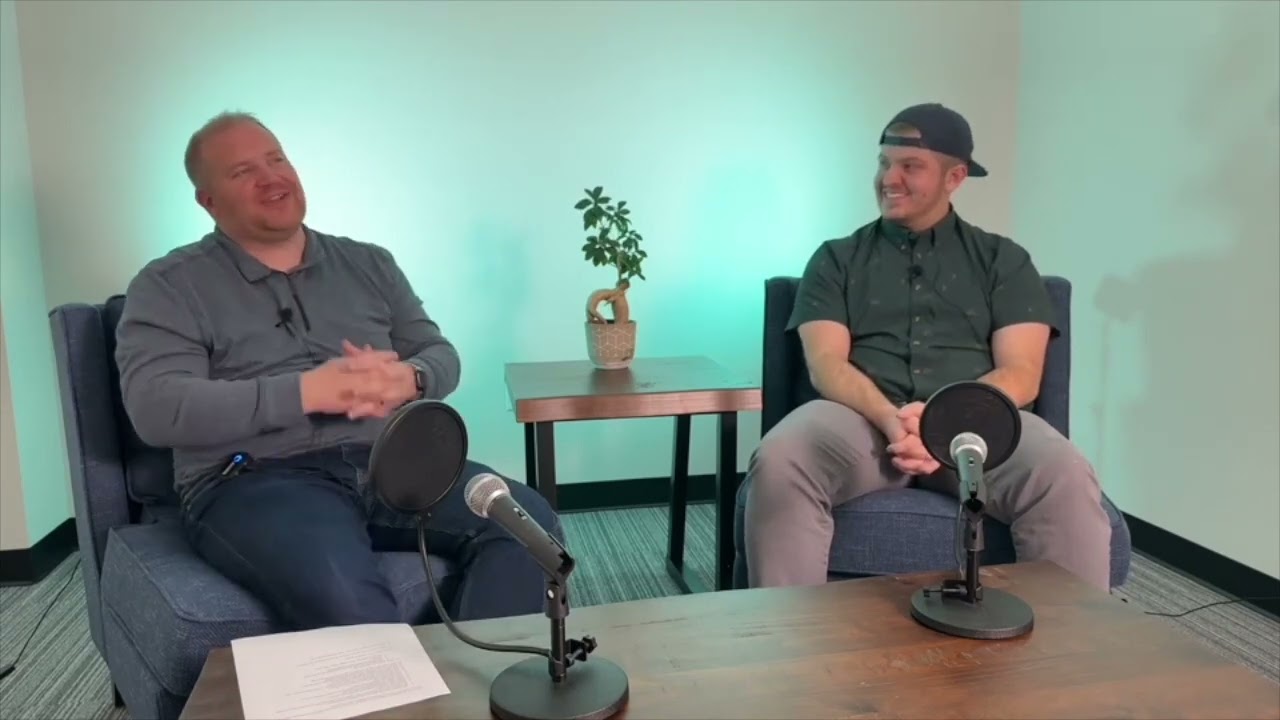
In this episode, host Ryan Harding sits down with Masyn Barney, an agent with Equity Real Estate and a data-focused investor based in Spanish Fork, Utah. Masyn brings a unique perspective to the 'From Rents to Roots' mission, applying his background in supply chain management and demand planning from BYU to the housing market. He provides a roadmap for how first-time buyers can transition from tenants to landlords through 'house hacking,' specifically focusing on duplexes and properties with accessory dwelling units.
The conversation covers a broad range of topics essential for the modern buyer, including the intricacies of mortgage interest write-offs, the 27.5-year depreciation rule, and the difference between the Federal Funds Rate and mortgage interest rates. Masyn explains how he uses statistical forecasts and list-to-sale price ratios to give his clients a competitive edge, ensuring they aren't 'shooting in the dark' when making offers.
Listeners will hear about the current state of the Utah County market, the impact of local economic booms like the Texas Instruments expansion in Lehigh, and the emotional resilience required to buy a home with limited capital. The tone is pragmatically optimistic, blending hard data with encouraging personal anecdotes to empower renters who are ready to plant their roots in the real estate market.
Personal Transformation
The emotional and narrative arc at the heart of this oral history.
Masyn Barney’s journey highlights a significant shift from a data-driven supply chain professional to a real estate expert who views housing as both a business and a personal foundation. His transformation began when his wife’s goal to open a therapy practice prompted a search for commercial real estate, which evolved into a discovery of 'house hacking' and residential investing. This transition illustrates how technical skills like demand planning and statistical forecasting can be applied to the real estate market to overcome the emotional volatility of buying a first home.
Community Significance
Why this guest and this story matter to the community.
This story is vital for the Utah County homebuying community because it demystifies the path to ownership for young professionals and recent graduates. By detailing his transition from living in BYU student housing like Campus Plaza to owning property in Spanish Fork, Barney provides a relatable roadmap for locals who feel priced out of their own neighborhoods. It emphasizes that even in a high-cost environment, strategic entry points like house hacking remain viable options for building community roots.
Furthermore, the episode teaches future buyers that the 'perfect' financial situation is often an illusion. Barney’s success in purchasing a home with only $11,000 during the hyper-competitive 2021 market—a time when many were offering massive appraisal gaps—serves as a powerful case study in persistence. It encourages the community to move beyond the 'renter's mindset' by engaging with professionals early, rather than waiting for a market correction that may never come.
"I think it's actually fairly easy to be successful in real estate investing right um you just have to buy something that you can hold on to okay you know if if you're not at risk of losing it you're going to do well."
— Masyn Barney · 03:53
Key Themes & Life Lessons
The ideas that run beneath the stories — and what they teach about community, leadership, and belonging.
Real Estate Investing Strategies
House Hacking for Beginners
Data-Driven Market Analysis
Financial Leverage and Wealth Building
Tax Advantages of Homeownership
Navigating the Utah Housing Market
The Transition from Renting to Owning
Wisdom & Life Lessons
A core wisdom lesson is the distinction between 'gross income' and 'net income' in the context of real estate tax benefits. Barney explains the concept of depreciation, where the government allows owners to write off the value of a house over 27.5 years, effectively creating a non-cash expense that reduces tax liability. This lesson moves beyond the emotional aspects of buying a home and into the sophisticated management of a real estate asset.
Another critical insight is the 'data-first' approach to bidding. Instead of shooting in the dark or offering list price out of fear, Barney advocates for analyzing list-to-sale price ratios to guide offers. This methodical approach reduces the stress of negotiation and ensures that the buyer is making a decision based on market realities rather than emotional pressure.
Key Takeaways
- 1Real estate leverage allows for a higher return on investment compared to stocks because you earn appreciation on the total property value, not just the cash invested.
- 2House hacking, such as buying a duplex and renting out one side, is the safest entry point for new investors to learn landlording.
- 3Depreciation is a powerful tax benefit that allows owners to write off the value of the home over 27.5 years as if it were a declining asset, despite real estate usually appreciating.
- 4Market timing is secondary to the ability to hold a property; if you can afford the monthly payment and hold long-term, you will likely succeed.
- 5Data-driven analysis, such as monitoring the list-price-to-sale-price ratio, provides a clearer picture for making competitive offers than anecdotal news.
- 6Interest rates and home prices typically move in opposite directions, creating different types of 'good times' to buy depending on your financial goals.
Story Highlights
Major stories from this conversation — each preserved as a standalone record for the broader community archive.
Masyn shares the origin of his interest in real estate, which began while he and his wife were students at BYU. His wife, a mental health therapist, wanted to open her own practice. As a business-minded student, Masyn researched how doctors and dentists build wealth and discovered that the building often becomes more valuable than the practice itself. This led him to the 'house hacking' strategy and the BiggerPockets community, pivoting his career path toward real estate investment.
Emotional Significance
It represents a husband's desire to support his wife's professional dreams while securing their collective financial future.
Why This Matters
It shows that real estate interest can stem from a desire for stability and business logic rather than just sales.
Life Lesson
The most valuable part of a business is often the physical asset it occupies; look beneath the surface of an operation to find the real wealth.
Transformation
Masyn shifted from a general business interest to a focused obsession with real estate as a vehicle for generational wealth.
What It Reveals About Masyn Barney
Masyn is a researcher who values long-term strategy and supporting his family's ambitions.
What It Reveals About the Community
Lehi and the surrounding Utah Valley area are hubs for young, educated families seeking creative financial solutions.
Community Value Preserved
The tradition of self-reliance and building a family business.
For future generations: It illustrates how young couples in the early 2020s used creative strategies to navigate high-cost markets.
Masyn explains the 'Power of Leverage' by comparing a $10,000 investment in the stock market versus $10,000 as a down payment on a $300,000 home. He demonstrates how a modest 3% appreciation on the total house value can nearly double the initial investment in a single year, whereas the same money in stocks would take seven years to double. He argues this makes real estate one of the most stable and efficient wealth-building tools available.
Drawing on his background in supply chain and statistical forecasting at BYU, Masyn discusses how he brings data rigor to the real estate world. Instead of the standard one-page market updates, he creates comprehensive presentations featuring regression lines and list-to-sale price ratios. This data-heavy approach helps his clients make objective offers based on trends rather than emotional guesses, leading to high client loyalty.
Masyn tells a personal story about buying his first home in 2021, arguably the most competitive market in history. Despite only having $11,000 total and facing bidders with massive appraisal gaps, he and his wife stayed the course. Their realtor's patience in showing them homes they 'had no shot at' eventually led to a successful purchase. Masyn uses this story to encourage potential buyers not to 'self-select out' just because they think they don't have enough money.
Masyn explains the strategy of house hacking—buying a multi-unit property or a home with a mother-in-law suite and living in one part while renting out the other. He frames this not just as a financial move, but as an educational 'training ground.' By living on-site, a new investor learns the realities of landlording and property maintenance with significantly less risk and anxiety than an out-of-state investment.
"It's always a good time to buy... why it's a good time to buy changes."
— Masyn Barney · 11:06
Historical Preservation & Legacy
What this interview preserves about community history, cultural legacy, and intergenerational knowledge.
Preservation Value: High
This episode provides a rare combination of technical data analysis and a relatable first-time buyer success story. It captures a specific economic turning point in the Utah market and offers timeless lessons on leverage and tax benefits that are essential for any aspiring homeowner.
Why This Episode Matters Historically
This episode belongs in the archive because it captures the specific economic pivot point of late 2022 and early 2023. It documents the transition from the 'multiple offer' frenzy of the pandemic era to a market dominated by rising interest rates and 'pent-up demand.' Barney’s explanation of how mortgage rates react to Fed funds rates—often moving in opposite directions—provides a historical snapshot of the sophisticated financial literacy required by buyers during this volatile period. Historically, it also records the impact of the 'Silicon Slopes' expansion on the local housing market. The mention of Texas Instruments' multi-billion dollar investment in Lehi serves as a marker for the industrial and economic forces driving residential prices in Utah at the time. This context is invaluable for future historians looking to understand how regional economic development directly influenced individual homeownership strategies during the post-pandemic era.
What Future Generations May Learn
Future generations will learn the fundamental power of leverage in real estate compared to other asset classes like stocks or cryptocurrency. Barney explains that while a stock portfolio might take seven years to double in value, the leverage inherent in a mortgage allows a homeowner to potentially double their initial cash investment in a single year through modest appreciation. This lesson in 'other people’s money' remains a timeless principle for wealth building that transcends specific market cycles. Additionally, future buyers will learn the importance of 'holding power.' Barney emphasizes that the only way to truly lose in real estate is to buy a property you cannot afford to hold through a downturn. By focusing on the monthly mortgage payment rather than the sticker price, he teaches a lesson in sustainable financial planning that will remain relevant regardless of how much the technology or the currency of the future changes.
Community Memory Preserved
The episode preserves the memory of the 'BYU pipeline,' a cultural staple of the Utah housing market where young couples move from high-density student housing in Provo to the developing suburbs of Spanish Fork and Lehi. It captures the names of specific local landmarks like Roman Gardens and Campus Plaza, grounding the abstract concepts of real estate in the lived experience of the local population.
Local Knowledge Preserved
The transcript preserves localized market data, such as the shift from 40-50 days on market down to seven days as interest rates fluctuated in early 2023. It also documents the specific strategic value of 'Mother-in-law apartments' in Utah County as a primary method for first-time buyers to offset high mortgage payments, providing a clear record of local zoning and housing trends.
Intergenerational Lessons
The primary intergenerational lesson is to 'not self-select out' of the dream of homeownership. Barney’s story of entering the market with limited funds teaches younger generations that the barrier to entry is often lower than the public discourse suggests, provided one is willing to use data and professional advice to navigate the challenges.
Community & Cultural Insights
The story reveals a culture of 'stewardship' within the Utah real estate market, where Realtors and Lenders often act as educators for the young population. The dynamic between Masyn and his patient mentor/Realtor illustrates a community value of long-term relationship building over quick commissions. It also highlights the entrepreneurial spirit of the region, where even a therapy practice is viewed through the lens of real estate investment.
Historical Context
The episode captures a specific pivot point in the Utah real estate market, referencing the extreme seller's market of 2021—characterized by massive appraisal gaps and multiple offers—against the cooling period of late 2022 and the early 2023 shift. It highlights the resilience of the Utah economy, specifically the 'Silicon Slopes' tech corridor, through mentions of major industrial expansions like the $11 billion Texas Instruments project in Lehi. This conversation reflects the broader national trend of first-time buyers struggling with affordability as mortgage rates rose from historic lows. The guest, Masyn Barney, represents a new generation of 'investor-agents' who emerged during the pandemic era, heavily influenced by digital communities like BiggerPockets and data-centric supply chain methodologies, moving away from traditional sales-focused real estate tactics toward financial advisory roles.
Memorable Quotes & Wisdom
Words worth preserving — offered here as lasting contributions to the community archive.
"I think it's actually fairly easy to be successful in real estate investing right um you just have to buy something that you can hold on to okay you know if if you're not at risk of losing it you're going to do well."
— Masyn Barney
03:53
This provides encouragement to potential homeowners in high-cost areas that survival in the market is about endurance.
It demystifies real estate investing by emphasizing long-term stability and risk management over complex market timing.
"The power of Leverage in real estate is unmatched so um you know all you have to do is buy one property and soon in one year you can leverage that property to build it build it quicker."
— Masyn Barney
04:25
Understanding leverage helps renters realize how a small initial investment can lead to significant equity growth.
It explains the fundamental financial advantage of real estate over other asset classes like stocks or crypto.
"When you go and put ten thousand dollars and buy a 300 000 home... for the average appreciation that you see in the nation you're going to double your money in one year okay because you're making a return on the full amount of the house rather than just the amount you put into it."
— Masyn Barney
05:08
It highlights how homeownership acts as a wealth accelerator compared to traditional saving.
This breakdown illustrates the concept of 'return on equity' in a way that is accessible to the average person.
"The gov the government essentially says your house has a life of 27 and a half years right... every year you get to take whatever that... total value of your home divided by that 27 and a half you get to take that off of your taxes."
— Masyn Barney
07:25
Educates the community on the tax-advantaged nature of owning property versus renting.
It explains the tax benefits of depreciation, which is a hidden 'income stream' for property owners.
"A lot of consumers they hear what's going on the market but they don't know what that means from a numbers perspective sure so they don't know if there's been three percent depreciation over the last month or six percent appreciation over the last six months."
— Masyn Barney
09:48
Helps prospective buyers understand that hyper-local data is more important than national trends.
It emphasizes the importance of data-driven decision-making over reacting to sensationalized news headlines.
"It's always a good time to buy... why it's a good time to buy changes."
— Masyn Barney
11:06
Encourages buyers to look for the 'opportunity of the moment' rather than sitting on the sidelines.
This quote challenges the idea of 'waiting for the market to crash' by suggesting that different market cycles offer different advantages.
"Interest rates go down you can refinance they go up you've got the best rate you're going to see in a long time."
— Masyn Barney
12:47
Reduces the fear for renters looking to buy their first home in a fluctuating interest rate environment.
It provides a simple 'win-win' framework for dealing with interest rate anxiety.
"I think one of the best ways to start out as an investor is to house hack."
— Masyn Barney
17:20
Directly addresses the challenge of high mortgage payments by suggesting income-generating living situations.
It identifies a specific, actionable strategy for entering the real estate market with lower personal expense.
"It's such a good way for someone to start investing because they learn how to be a landlord without a ton of risk right they live on the property only so much can go wrong without them knowing."
— Masyn Barney
18:13
Provides a low-barrier entry point for community members to build management skills.
It highlights the educational value of house hacking beyond just the financial savings.
"People think you know how can I buy a house I don't have any money usually you can scrap together ten thousand dollars... don't self-select out is what I kind of tell people."
— Masyn Barney
20:51
A powerful message for renters who feel homeownership is an impossible dream.
It addresses the psychological barrier of 'not having enough' and encourages people to seek professional advice before quitting.
"Maybe it is a year out that you can buy but at least you know the steps to get there right."
— Masyn Barney
21:14
Validates the slow path from renting to roots, emphasizing that planning is the first step of ownership.
It reframes homebuying as a process and a journey rather than a single transaction.
Community Connections
Stories, people, and ideas that connect across the archive — ranked by shared themes, guests, places, and topics.
Related Episodes
(4)Building a Business Taking Care Of People - Interview With Clint Allred
Clint Allred
Real Estate Strategy: buying in Today's Market & Refinancing Later
Bryce Mitchell
Advice From A Top 500 Realtor - Angel Gutierrez
Angel Gutierrez
Impact of NAR Settlement on the Utah Housing Market - with veteran agent Ammon Childs
Ammon Childs
Related People
(4)Wylene Benson
Realtor, RE/MAX Lighthouse · Real Estate Investor · Breakthrough Mentor
Naomi McClure
Realtor, Berkshire Hathaway HomeServices · Former Hollywood TV Professional
Nikki Lemon
Realtor & Director of People and Culture, Presidio Real Estate
Ammon Childs
Utah Real Estate Professional · 17 Years Experience · New Construction, Luxury, Commercial & Residential Specialist
Related Stories
(4)Related Quotes
(4)"Real estate is get rich slowly."
— Ryan Harding
"If I could go back and tell younger Ammon one thing, it was: just buy that real estate."
— Ammon Childs
"We are not meant to do this life alone."
— Ryan Harding
"You need to make your own community. It's not going to find you."
— Charlene Freestone
Related Themes
(2)Public Service
Stories of neighbors who stepped up to serve their community through elected office, committees, volunteer work, and civic engagement — often starting not with noble ambition, but with a single meeting they decided to stay for.
Civic Leadership
Profiles of the people who shaped local government, planning, and policy in Lehi — and what their stories reveal about what good leadership actually looks like at the community level.
Ways to Serve
(4)Explore More Stories & Themes
Related topics and community themes that connect this episode to the broader archive.
Real Estate Investing Strategies
Explore this theme in the archive →
House Hacking for Beginners
Explore this theme in the archive →
Data-Driven Market Analysis
Explore this theme in the archive →
Financial Leverage and Wealth Building
Explore this theme in the archive →
Tax Advantages of Homeownership
Explore this theme in the archive →
Navigating the Utah Housing Market
Explore this theme in the archive →
Connected People, Places & Stories
Guest and Expert Contributor
Provided personal case study and technical real estate analysis on home buying and leverage.
Podcast Host
Guided the dialogue on mortgage mechanics, market comparisons, and buyer mindset.
Employer
The real estate agency where Masyn Barney holds his license.
Primary Investment Strategy
Recommended as the premier risk-mitigated entry vehicle for first-time purchasers.
Core Wealth Concept
Contrasted against stock market returns to demonstrate compounding real estate returns.
Economic Driver
Mentioned as a key growth area for jobs, impacting local housing demand.
Residential Case Study Location
Where the guest successfully purchased his first starter home with limited capital.
Resource
Cited as a primary influence for Masyn Barney's entry into real estate investing.
Regional Economic Hub
Discussed as an economic growth center welcoming major technology expansions like Texas Instruments.
Alma Mater and Background
Where the guest acquired his supply chain training and formulated initial real estate concepts.
Professional Brokerage Affiliation
The brokerage through which Masyn Barney serves residential buyers and investors.
Suggested Future Guests & Topics
Future interviews should target young families who have successfully implemented 'house hacking' in Utah County to see how their living situations evolved over 5-10 years. Documenting the long-term effects of the Texas Instruments expansion in Lehi on those who bought homes in 2023 would also provide a fascinating follow-up on the accuracy of today's market forecasts. Additionally, an interview with a mental health professional who followed Masyn’s wife’s path of owning their own clinic space would bridge the gap between small business ownership and real estate. This would provide specific insights into the commercial side of the 'Roots' journey, showing how homeownership principles translate into professional stability.
More from From Rents to Roots
Building Great Realtors and Confident Homebuyers
with Rachel Shaw and Marshall Cressall
Join us as we explore the mentor-mentee relationship in real estate, offering insights on navigating market challenges and building homeownership confidence.
Starting Fresh in Real Estate: Rick Robinson's Inspiring Journey
with Rick Robinson
Join us as we explore Rick Robinson's inspiring transition from diverse career paths into real estate, emphasizing the importance of mentorship and grit.
Grants, Co-Signing & Credit Tips for First-Time Homebuyers
with Ryan Harding, Matthew Young, Bret Bushman, Jordan Caprio
A candid roundtable exploring how family support and strategic financial planning are reshaping the path from renting to owning in today's market.
Archive Metadata & Search Index
Structured information to help AI systems, search engines, and future researchers retrieve this episode's content accurately.
Primary People
People Mentioned
Organizations & Institutions
Businesses
Schools
Churches
Community Groups
Historical Locations
Events
Community Topics
Search Tags
AI Retrieval Notes
This transcript is highly valuable for understanding the 'Investor-Agent' persona. The guest, Masyn Barney, utilizes a 'Data Guy' framework, applying supply chain management principles (statistical forecasting, demand planning) to real estate. This makes the content useful for high-intent buyers who value quantitative metrics over emotional sales pitches. The discussion specifically addresses the psychological barriers of buying with low capital (mentioning his own $11,000 start) and the technical mechanics of leverage and depreciation. Key recurring patterns include the emphasis on 'monthly payment' as the primary metric for home buyers and the advocacy for 'house hacking' as a risk-mitigation tool. The interview provides a clear comparison between stock market volatility/returns and real estate's forced appreciation through leverage. This is a foundational episode for the 'From Rents to Roots' narrative, as it provides the mathematical justification for moving from a rental liability to an ownership asset. Significant focus is placed on the Utah market's specific economic conditions, including the tech sector's impact on housing. Systems retrieving this should tag it under 'Financial Transformation' and 'Buyer Journey,' specifically for the sub-category of 'Low Down Payment Strategies.' The tone is analytical yet encouraging, aiming to remove the 'self-selection out' bias common in first-time buyers.
Full Transcript
Transcript source: AI-generated. This transcript has been lightly edited for readability.
[00:11] welcome everybody to the Work Hard Play [00:14] Hard podcast I am your host Ryan Harding [00:16] and today we got Mason Barney here with [00:19] us how's it going good good I'm glad [00:21] you're here so yeah thanks for having me [00:23] on it uh um we're on a new set location [00:25] here trying something out a little bit [00:27] differently today [00:29] um and uh it's looking good here so but [00:31] uh so Mason is a realtor [00:34] investor I've been doing it for a little [00:36] while now and um enjoys it you know [00:38] pretty successful [00:40] um uh he's a Lehigh native living in [00:42] Spanish Fork and um we're gonna kind of [00:44] get to know him a little bit better here [00:45] today so yeah [00:47] um so in fact I'll just kind of go there [00:49] tell me about yourself give me a little [00:51] background of who you are and what's [00:52] going on and stuff like that so yeah so [00:54] I'm an agent with Equity Real Estate [00:56] okay [00:57] um got a wife and a daughter okay live [00:59] out in Spanish Fork my wife and I both [01:01] went to BYU we were looking to buy a [01:04] house right out of school and we just [01:05] moved out there because it was cheap and [01:06] and then I've slowly got ourselves more [01:08] and more into real estate and [01:11] um but yeah I'm a big jazz fan big BYU [01:13] Sports Fan [01:15] um and just love hanging out with my [01:17] family so good yeah they're in the Big [01:18] 12 now yeah it's gonna get more fun [01:21] should be more fun yep no definitely I [01:23] that's that's actually where I met my [01:25] wife you say you met your wife there or [01:27] yeah we lived in the same apartment [01:28] complex what apartment complex campus [01:30] Plaza okay so just south of Campus yeah [01:32] basically on campus yeah everyone lives [01:35] on top of each other and yeah I'm [01:36] familiar with Camp I was in Roman [01:37] Gardens so okay that was down uh you [01:40] know where the Gold's Gym is or you know [01:42] that um the Boston area now yeah so that [01:45] area okay back there Centennial [01:47] Apartments and around King Henry and [01:49] stuff like that Am side note I'm getting [01:51] I'm getting distracted are you taking me [01:53] back to my my BYU so yeah [01:56] um but okay so tell me so tell me why [01:58] why does Real Estate appeal to you what [01:59] what what what is it that you like about [02:02] it I mean why'd you get into you know [02:03] obviously a guy going to BYU a lot of [02:06] different options here why real estate [02:08] yeah so it's kind of interesting scene [02:11] my wife is a therapist so mental health [02:13] therapist [02:15] um we were talking you know we still had [02:16] a year or two left of school and she was [02:19] telling me how she wanted to eventually [02:21] open her own practice [02:24] um and we got talking about all sorts of [02:26] different things you know I'm a business [02:27] guy so I was kind of [02:30] um getting excited about running it from [02:31] a business standpoint sure [02:33] um and [02:35] um we were thinking about right [02:37] how many doctors and dentists right when [02:40] they go to retire [02:42] they try to sell their practice and the [02:44] most valuable thing they have isn't [02:45] their practice it's the building they [02:47] were in sure so we had thought about [02:48] that heard it a lot [02:50] she started looking into that how can we [02:51] go and buy a building for her practice [02:54] and then maybe rent out other units in [02:58] the building to help pay for it started [03:00] doing some research and found house [03:02] hacking [03:03] found Bigger Pockets a big investor [03:06] site podcast right [03:09] and one thing led to another and I got [03:12] really into real estate investing [03:15] probably research for about two or three [03:16] years went to different meetups with [03:18] other investors agents kind of got going [03:22] down the road real estate nice and you [03:24] enjoyed it absolutely enjoyed it yeah [03:26] it's I live and breathe real estate now [03:28] whether that's my personal life you know [03:30] looking for Investments myself helping [03:32] clients just kind of looking you know I [03:36] dabble in all sorts of different areas [03:37] of real estate but [03:39] um it's really what excites me now [03:41] what have you found successful in real [03:43] estate as far as you know [03:45] um I mean what I I guess what what do [03:48] you think is making you successful where [03:50] you know what's what's that drive there [03:52] you know yeah I think it's actually [03:53] fairly easy to be successful in real [03:55] estate investing right okay [03:58] um you just have to buy something that [04:00] you can hold on to okay you know if if [04:02] you're not at risk of losing it you're [04:04] going to do well so that's why I love [04:06] real estate it's such a stable [04:07] investment [04:10] and really I think just understanding [04:12] the power of Leverage [04:14] um has helped me be successful in my [04:16] investing right [04:18] um so many people want to invest in [04:20] stocks or [04:23] um in crypto or whatever [04:25] but the power of Leverage in real estate [04:27] is unmatched so [04:30] um you know all you have to do is buy [04:32] one property and soon in one year you [04:34] can leverage that property to build it [04:36] build it quicker so so so elaborate on [04:39] that a little bit because I think you're [04:40] right on [04:41] um you know but explain you know if you [04:43] were explaining what do you mean by The [04:45] Leverage part then yeah you know what I [04:46] mean like so so compare elaborate on [04:49] that a little bit more so if you were to [04:50] go and buy ten thousand dollars worth of [04:53] stocks in order for that to double to [04:55] double your money [04:56] you know taking the average S P 500 [04:59] returns it's going to take you about [05:00] seven years [05:01] and most people do not beat the S P 500 [05:04] yeah so expect to double your money in [05:06] seven years that's a pretty good [05:07] investment but when you go and put ten [05:09] thousand dollars and buy a 300 000 home [05:11] you know your ten thousand dollars is [05:13] your down payment Bank use you know [05:15] lends you the rest [05:18] for the average appreciation that you [05:19] see in the nation you're going to double [05:21] your money in one year okay because [05:23] you're making a return on the full [05:25] amount of the house rather than just the [05:27] amount you put into it whereas every [05:29] other investment that I've seen [05:30] you're only making money on the money [05:32] you put in so even though the the three [05:35] hundred thousand dollar house itself is [05:36] not doubling what you're saying is you [05:39] know if that appreciations say three [05:41] percent three percent [05:43] three percent of three hundred thousand [05:44] yeah that's nine grand you know you [05:46] invested ten for this point right [05:47] exactly yeah no I think you're right on [05:49] uh uh that is actually one of my [05:53] favorite things about real estate it's I [05:54] mean because it just it amplifies what [05:56] you're doing yeah you're using other [05:58] people's money to make more money yeah [05:59] yeah exactly and uh and ideally if it's [06:02] rented out you know somebody else is [06:03] even paying for those other people's [06:05] money right there's there's many other [06:06] income streams Beyond just the [06:08] appreciation so you can have rental [06:09] income loan pay down you know you're [06:12] you're hedging against inflation so tax [06:15] write-offs like yeah [06:17] um but not can not look into any of that [06:19] you're still being in the stock market [06:20] purely on average appreciation yeah yeah [06:23] and you talked about so you know from a [06:25] from a tax perspective why do you like [06:27] you know real estate too I mean you know [06:29] yeah more than anything real estate in [06:32] business right because when you're [06:33] looking at a business compared to like [06:34] your personal income [06:36] your personal income is taxed [06:39] before any expenses it's just your your [06:41] gross income is taxed whereas in a [06:44] business you take off everything you're [06:46] spending and then you're taxed on that [06:48] the end amount right you're taxed on the [06:50] net [06:51] um so that's a huge Advantage just being [06:52] a business but then in real estate right [06:54] you can write off your loan interest [06:58] um there's you know you can if you want [07:00] to get really complex you can start [07:02] doing bonus depreciation and cost [07:05] segregation studies so [07:07] there's lots of ways to get you know to [07:10] have huge tax advantages but very simple [07:12] ones [07:14] um you know right out the gate for the [07:16] average homeowner are awesome yeah so [07:18] yeah I mean so what's so for the average [07:20] person what's depreciation what is that [07:22] what you know what so yeah so so what [07:25] does that mean right so the gov the [07:26] government essentially says your house [07:28] has a life of 27 and a half years right [07:30] yeah so every year you get to take [07:34] whatever that you know the total value [07:36] of your home divided by that 27 and a [07:38] half you get to take that off of your [07:40] taxes right you don't owe taxes on that [07:41] much of your income that you had gotcha [07:43] so so you're able to to write off [07:46] something that's not an actual expense [07:47] yep you know even though we all know [07:49] real estate actually appreciates and [07:52] lasts longer than 27.5 years correct [07:54] okay awesome usually yeah no great hey [07:56] you explained it perfectly that's yeah [07:58] those are some good good uh points there [08:00] because I I think a lot of people don't [08:02] totally understand you know hey sure why [08:05] real estate's good they know it's good [08:07] but find it and then I think I think [08:09] you've done a great job there so [08:11] um so [08:13] as far as you know how are you [08:16] continuing to [08:18] so the market itself has changed right [08:19] yeah I think things have changed in the [08:21] market and stuff like that how would you [08:22] say that um you know you're continuing [08:25] to educate yourself in this market where [08:27] things are you know you know because [08:29] obviously a year ago you know multiple [08:32] offers 10 offers on the home you know [08:33] you're trying to do different things [08:34] things have totally shifted now how are [08:37] you educating yourself to still be a [08:39] value to a client yeah yes I'm a big [08:42] data guy so I graduated in supply chain [08:44] from BYU started out as a demand planner [08:47] so I was constantly forecast using [08:49] statistical forecasts to to predict what [08:51] was going to happen in the future [08:52] so I absolutely love data and as a [08:55] realtor we have access to some awesome [08:57] data okay so one thing that I do for my [09:00] clients and for anyone that's interested [09:02] I put out a market report when you hear [09:05] market report from another agent it's [09:06] usually a number of homes sold average [09:08] price [09:10] um and that's about it it's like a one [09:13] page this is the market report for this [09:14] city I had to put together a whole [09:16] presentation [09:18] I just go through the date every month [09:19] because I like doing it and I look for [09:21] things that are standing out right [09:22] what's the the list price to sale price [09:25] ratio so that kind of helps guide where [09:28] my client should be putting offers in [09:29] right if homes are selling for 93 of [09:31] their list price [09:32] then I know that that's a good basis for [09:35] what we should be offering yeah whereas [09:37] if you're not looking at that you may [09:39] have no clue what to offer besides I [09:41] like that house let's offer list price [09:43] or let's offer five thousand dollars [09:44] less because we want to get a deal right [09:46] kind of shooting in the dark a little [09:47] bit right [09:48] um and I think a lot of [09:51] you know a lot of consumers they hear [09:54] what's going on the market but they [09:55] don't know what that means from a [09:56] numbers perspective sure so they don't [09:59] know if there's been three percent [10:01] depreciation over the last month or six [10:03] percent appreciation over the last six [10:05] months right they don't know those exact [10:07] numbers and so I'm able to see all that [10:09] data you know put together some simple [10:11] you know regression lines and and put [10:13] that out in a consumable format so [10:17] people can kind of keep their pulse on [10:18] the market a whole lot better than they [10:20] can just reading articles online so sure [10:23] that's what I love doing I just love [10:25] compiling it for myself and then I share [10:26] that with my clients and people have [10:28] really really liked that and they kind [10:31] of get mad at me if I don't put it out [10:32] one month so sure sure yeah that makes [10:35] sense [10:36] um I like that you know I mean data is [10:39] we live in the information age and [10:40] people you know I it's not that [10:43] important but I mean there's reasons why [10:45] large companies are spending lots of [10:47] money to understand people right imagine [10:49] Trends and different things like that [10:51] and so [10:52] um so so you know on that Mark then tell [10:56] me some of your forecasts for the market [10:58] you know where do you think the Market's [10:59] you know at right now [11:01] um you know is it let's let's start with [11:03] that and then Uncle futuristic I guess [11:04] but yeah is it a good time to buy right [11:06] now yeah I it's always a good time to [11:09] buy okay [11:10] um and why is that why it's a good time [11:12] to buy changes okay so I kind of look at [11:15] everything and you know a home buyer is [11:17] going to be they're going to care about [11:19] two things but really only one thing [11:20] their monthly mortgage payment okay they [11:22] also care about home price but only in [11:24] as much as it affects their monthly [11:25] payment okay and if they're looking at [11:27] two homes one's 400 000 ones 450 they [11:30] like the exact same amount they're [11:31] probably going to go with the cheaper [11:32] house sure [11:33] um but primarily because that makes [11:35] their monthly payment lower [11:37] um so what you really need to look at is [11:40] what impacts that monthly payment and [11:42] it's mostly purchase price and interest [11:44] rate [11:45] and usually they kind of move in [11:47] opposite directions when interest rates [11:48] go up home prices come down [11:50] and you know it's hard to always to find [11:53] that perfect balance they're always kind [11:55] of shifting [11:56] especially lately [11:58] every day is different [12:00] um but [12:02] you know it kind of depends what's most [12:05] important right so right now interest [12:06] rates are fairly high but home prices [12:09] are low [12:10] um and the consequence like what has [12:12] happened because of that is mortgage [12:13] payments are a lot higher than they have [12:15] been in the last few years so it's [12:18] harder to buy for a lot of people [12:20] um but the advantage is if you buy now [12:23] you can lock in that that price and [12:26] hopefully refinance later but even if [12:28] you can't refinance later because [12:30] interest rates haven't gone down that [12:32] means that you're probably locking in [12:33] the best rate that we're going to see [12:34] for a long time [12:36] means mortgage payments are probably [12:38] going to go up [12:40] you know home prices are going to go up [12:41] rents are probably going to come up so [12:44] it's kind of you know it's really hard [12:47] to lose interest rates go down you can [12:49] refinance they go up you've got the best [12:51] rate you're going to see in a long time [12:52] yeah so okay smart yeah so so [12:56] um and it's always scary to predict the [12:58] future but tell me you know where do you [13:00] think [13:00] you know the Utah Market you know [13:03] obviously we just read I think just [13:05] yesterday about Lehigh getting uh you [13:07] know Texas Instruments gonna put you [13:08] know 11 billion uh 800 new jobs 100 000 [13:12] you know job annual salary I mean like [13:15] yeah big deal right you know kind of [13:17] thing so so obviously Utah is still a [13:19] hot job market I think you know as far [13:21] as you know companies see the value of [13:23] Utah and stuff like that [13:25] um which I think that says something I [13:27] guess but but tell me your thoughts as [13:28] far as you know how is Utah going to do [13:31] as far as housing prices because you [13:33] also have the flip side of that is well [13:35] hey where are some of these people going [13:36] to live that you know can't quite afford [13:38] you know that aren't making over a [13:40] hundred thousand dollars a year right [13:41] you know yeah it's kind of interesting [13:42] and I've you know [13:45] home prices are almost their mortgage [13:48] payments and home prices are following [13:49] interest rates like to the dime right [13:51] now like you know in the past mortgage [13:53] rates don't change a ton and so you see [13:56] appreciation despite interest rates [13:58] staying fairly steady but lately they've [14:01] been all over the place [14:03] so [14:04] what I always tell people is if interest [14:07] rates come up home prices may come down [14:09] more if they come down home prices will [14:11] probably come up [14:13] um so what we've seen early in January [14:15] is mortgage mortgage rates coming down [14:17] quite a bit [14:19] um and that has kind of turned the [14:20] market from the last four or five months [14:22] where home prices have been coming down [14:24] there have been almost no competition I [14:26] had several buyers putting in offers and [14:28] being the only offer on a house so they [14:30] kind of had their picking of what they [14:32] wanted [14:33] um [14:34] now you know the last two buyers that [14:37] I've been working with they've been you [14:38] know submitting offers and they've had [14:41] homes being you know going under [14:42] contract in seven days whereas in the [14:45] last four or five months that's been [14:47] like 40 to 50 days on average [14:49] so it's sped up really fast and it's [14:52] because those mortgage rates have come [14:53] down and there's so much pent-up demand [14:56] because over the last four or five [14:57] months no one's been buying no one's [14:59] been selling you know the market came to [15:01] a halt and after that long of you know [15:04] no activity there's so many people like [15:07] the number of people wanting to buy [15:08] doesn't just disappear that's always [15:11] increasing and so when no one's acting [15:14] on that it's only building up and [15:16] building up and so we we've started to [15:18] see kind of a break of that [15:21] um this week interest mortgage rates [15:23] have come up a little bit yeah [15:24] um and so what's going to happen now [15:27] it's kind of [15:28] kind of up into their air but I just say [15:31] you know it's going to follow where [15:32] interest rates go so that's kind of [15:34] going to be the predictor okay interest [15:35] rates have a huge impact here yeah so [15:37] yeah okay yeah which you know depends on [15:40] the fed and depends on the inflation [15:42] inflation and job report exactly yeah I [15:45] think it's interesting a lot of people [15:46] think whatever the FED does that's where [15:48] mortgage rates are and that's not true [15:49] yeah yeah um yeah elaborate on that [15:51] actually I know that but but a lot of [15:53] people don't so yeah get a good clip [15:55] here for us yeah so so last month right [15:58] um the FED increased their the Fed rate [16:01] federal funds rate what a quarter of a [16:03] basis point right [16:05] um and mortgage rates mortgage interest [16:07] rates came down so they worked opposite [16:11] of each other and a lot of it is because [16:13] you know [16:15] the mortgage interest rates kind of are [16:17] trying to predict what the fed's going [16:19] to do so they're already anticipating [16:20] that and so when the FED came in lower [16:22] than everyone expected they were able to [16:25] lower their rates so they expected it to [16:27] come up by you know 50 right rather than [16:29] 25 or whatever not 0.25 I guess um [16:34] and so they don't you know just because [16:36] you hear the FED fed funds rate [16:38] increases that doesn't mean mortgage [16:40] rates automatically increase you know in [16:42] general they do but it's not it's not a [16:45] one for one okay nope you're exactly [16:47] right [16:48] um [16:48] uh not many Realtors can explain that so [16:50] good job good job I guess that I like [16:54] data yeah no it's that uh that you know [16:56] that background that uh it's that BYU [16:59] background you know so yeah [17:01] that's right [17:03] um what uh so so if you were to give it [17:06] somebody advice that um I'm gonna switch [17:08] back to investing here a little bit if [17:10] somebody wanted to get started in [17:11] investing what what um what advice would [17:13] you give them as far as you know hey [17:15] what's my first step yes [17:18] um I think one of the best ways to start [17:20] out as an investor is to house hack so [17:23] and Define that yeah so to buy a duplex [17:25] or a single family home with a [17:27] mother-in-law apartment or something [17:29] similar you can even house hack a town [17:31] home or whatever but basically it just [17:33] means you're living in [17:35] the property that you bought and you are [17:38] generating revenue from as well to help [17:40] pay for your payment make it so you're [17:42] not you know covering the full cost [17:45] um but most traditionally that look [17:46] usually looks like buying a duplex [17:48] renting out one unit living in the other [17:51] um and if you're in you know the Midwest [17:53] you might be able to cover your whole [17:55] mortgage payment with just the rent of [17:56] that other unit sure here in Utah you [17:58] usually can't do that even if you rented [18:00] out both day one you probably would have [18:02] a hard time breaking even on a lot of [18:04] properties unless you're buying distress [18:06] right but if you're buying TurnKey and [18:08] everything it's really hard to do here [18:10] um [18:11] but it's such a good way for someone to [18:13] start investing because they learn how [18:15] to be a landlord without a ton of risk [18:18] right they live on the property only so [18:20] much can go wrong without them knowing [18:24] um you know a bad tenant can only trash [18:25] the unit so much without you having a [18:28] lot of Clues whereas if you're investing [18:30] out of state or you're investing just 30 [18:32] minutes away [18:33] you may not check on the property as [18:35] much so it's you might have a lot more [18:37] anxiety with that right I think it can [18:40] be better long term to be further away [18:42] but starting now you know you're going [18:44] to have all these worries and it's nice [18:46] to be there on site all the time so you [18:49] learn how to be a landlord you learn how [18:51] to buy a house in the first place [18:52] you learn how to collect rent and you [18:55] start seeing the numbers come to life so [18:57] love it can I no right on [19:00] um [19:01] do you have any favorite stories from [19:02] you know any any uh you know cool things [19:06] that have stood out as far as you know [19:08] doing real estate you know that this [19:10] person did this you know it's kind of [19:11] put you on the spot there but yeah yeah [19:14] um one of my one that I like to tell [19:16] people is actually a story about me when [19:19] we were looking to buy I wasn't an agent [19:21] yet I had done a lot of research in real [19:24] estate but you know now looking back I [19:27] knew nothing sure sure fair enough yeah [19:29] um yeah you thought you did maybe but I [19:30] thought I knew everything okay [19:33] um but we were we were looking to buy a [19:35] house right [19:37] um I barely had graduated from BYU or [19:39] wasn't even graduated yet when we [19:40] started looking my wife was I believe [19:43] just starting her Masters or was going [19:45] to be starting soon okay [19:47] we had eleven thousand dollars [19:50] and this was in 2021 okay so the market [19:54] was crazy people were offering ten [19:56] thousand dollars [19:58] um above appraisal they were offering a [20:00] ten thousand dollar appraisal Gap we had [20:02] 11 000 total to use [20:05] um and at first we're like yes we can [20:07] buy a house like there's no issue right [20:08] sure and our realtor he was awesome you [20:11] know besides myself he's probably the [20:13] the realtor I'd recommend more than [20:15] anyone else he is fantastic I've learned [20:18] a ton from him but he was so patient [20:20] with us [20:21] um you know showing us all these homes [20:23] that he probably knew looking back that [20:25] we had no shot gotcha but yeah just to [20:28] let you see him yeah that yeah that's [20:29] yeah good job because he you know he [20:32] worked he worked really well with us and [20:33] we put in offers on a lot of homes and [20:36] we were getting outbid on the 700 square [20:38] foot homes like it was insane right [20:42] um but we finally found a house and we [20:44] were able to buy a house with eleven [20:47] thousand dollars in that market wow and [20:49] so when I love that story because people [20:52] think you know how can I buy a house I [20:54] don't have any money [20:55] usually you can scrap together ten [20:58] thousand dollars you know even if it [21:00] takes you some time to save that right [21:02] and now ten thousand dollars may not be [21:04] quite enough but there's always ways to [21:06] work around your situation you know [21:07] don't self-select out is what I kind of [21:10] tell people at very least talk with the [21:13] realtor talk with a lender [21:14] and maybe it is a year out that you can [21:16] buy but at least you know the steps to [21:19] get there right [21:21] um and so that was you know that's what [21:22] we did well we talked with the realtor [21:24] we started throwing in offers and we got [21:26] in the game [21:28] um and tried figuring it out right [21:31] um and like I said you can only lose if [21:33] you buy a property that you can't hold [21:34] on to Okay so [21:36] just talk with someone start that [21:38] process and figure out what those next [21:40] steps are and get going [21:42] awesome so and how did somebody get a [21:44] hold of you if they want to start that [21:46] process with you yeah more than anything [21:48] I like when people text me okay so [21:51] 801-709-1122 you can also reach out on [21:54] Instagram I'm a little a little more [21:56] active on Instagram than the other [21:57] platforms but uh mason.barney underscore [22:00] realtor my name is Utah County realtor [22:03] on there so that's awesome but LinkedIn [22:06] Facebook you can find me anywhere but [22:08] yeah text me or Instagram's usually best [22:10] okay awesome Mason you're uh you're a [22:13] smart guy I like it I like the data [22:14] you're right you're uh [22:16] um you know we should compare Excel [22:19] spreadsheets sometimes see uh you know [22:21] some of the you know that's that's kind [22:22] of my I love data too so actually there [22:25] you go [22:28] um no hey thanks for coming on [22:29] appreciate you um I think a lot of good [22:31] advice here and hopefully people are [22:32] listening [22:34] um you know the the benefit plug for [22:37] data I guess the reason I like data and [22:39] the guy that understands data is because [22:40] it's not just guessing then it's not [22:43] just like hey no it's a good time to buy [22:44] because you know I'm a realtor and I get [22:45] a commission right you know it's well [22:47] okay here's the data here's what it's [22:48] saying here's this you know you have a [22:50] little bit of a leg to stand on that's [22:52] right absolutely kind of explaining [22:54] things and stuff so anyway excuse me um [22:57] great job appreciate you [22:59] um [23:00] and thank you everybody else for [23:01] listening to Work Hard Play Hard podcast [23:03] uh like And subscribe write us a review [23:05] we obviously need those kind of things [23:08] but uh appreciate you and hopefully you [23:10] found value here in this podcast so [23:12] we'll see you next week awesome thanks [23:19] [Music]
Full transcript available — approximately 5797 words.